
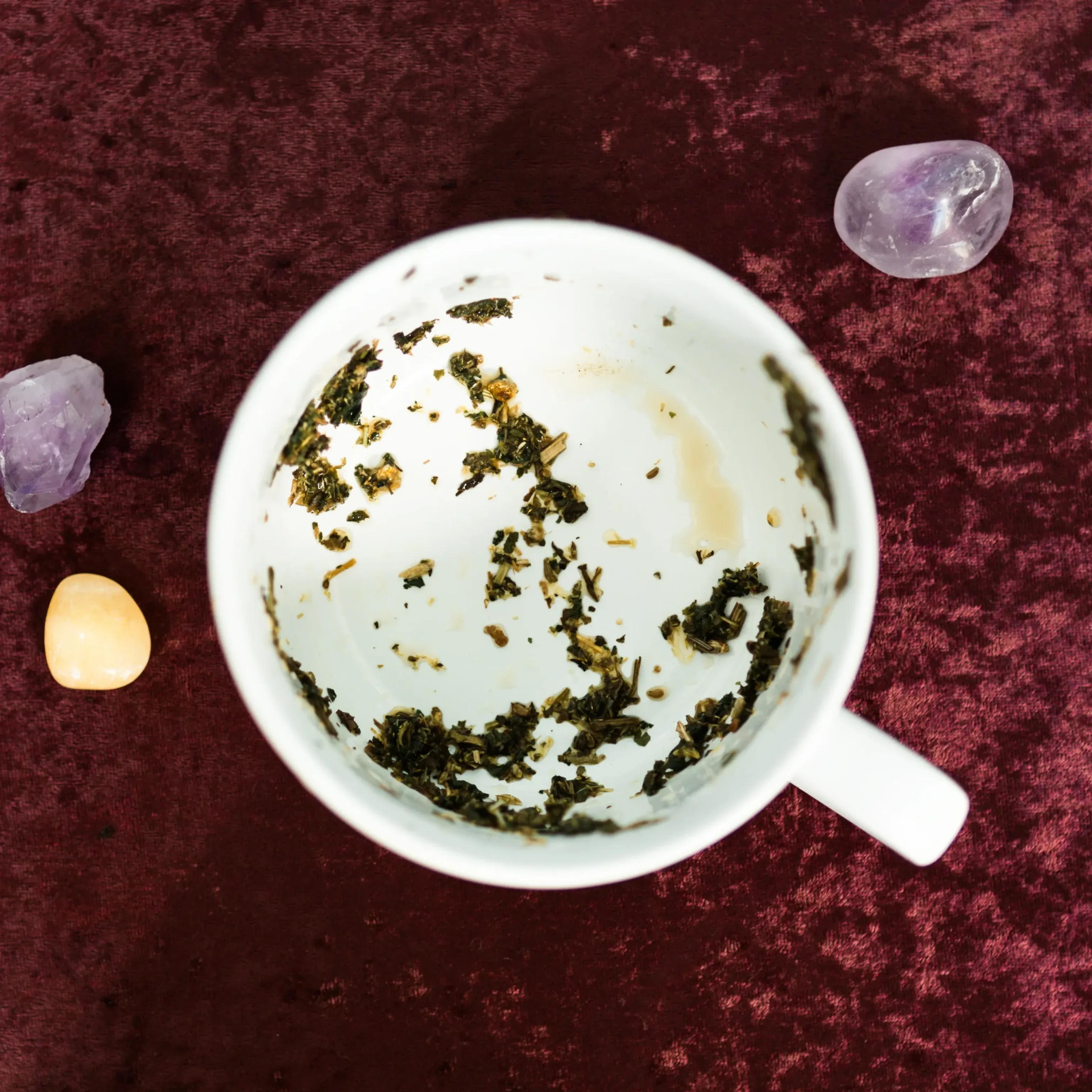
Tasseography, also known as tasseomancy or tasseology, is the ancient art of reading tea leaves to predict the future or gain insight into a person’s life. This fascinating practice has roots that stretch back thousands of years and spans various cultures, including Chinese, Middle Eastern, and European traditions. Today, tasseography remains a popular form of divination enjoyed by many seeking guidance, clarity, or entertainment.
Historical Origins and Cultural Significance
The origins of tasseography are believed to date back to ancient China, where tea drinking was first introduced around 2737 BCE. Chinese tea leaf reading, known as “reading the leaves,” became a form of fortune-telling during the Tang Dynasty (618–907 CE). The practice spread along trade routes, reaching the Middle East and Europe, where it evolved and incorporated local customs.
In Europe, particularly during the 17th and 18th centuries, tea drinking became a social ritual among the upper classes. Tasseography gained popularity as a mystical art, often associated with mystics, gypsies, and fortune-tellers. It was seen as a way to access divine guidance or subconscious insights.
The Practice of Tasseography
Tasseography involves several steps:
- Preparation: A person seeking a reading drinks a cup of loose leaf tea or coffee. The cup is usually small, with a wide mouth to allow the leaves to spread out.
- Positioning: After drinking, the remaining tea leaves settle at the bottom of the cup. The reader, often called a tasseographer, holds the cup at a specific angle or in a certain position to interpret the symbols formed by the leaves.
- Interpretation: The reader examines the patterns, symbols, and shapes formed by the tea leaves, considering their location within the cup and their relation to each other. Common symbols include animals, objects, or abstract shapes, each attributed with specific meanings.
- Message: Based on these symbols, the reader offers insights or predictions regarding love, career, health, or other life aspects.
Symbolism and Interpretation
The interpretations in tasseography are highly symbolic and rely on the reader’s intuition and knowledge of traditional meanings. For example:
- A star might symbolize success or enlightenment.
- A heart could indicate love or emotional matters.
- A snake might represent temptation or change.
The upper, middle, and lower sections of the cup are often associated with the future, present, and near past, respectively. The position and proximity of symbols help shape the reading’s overall message.
Modern Tasseography
While rooted in ancient traditions, tasseography has experienced a resurgence in contemporary culture, often as a fun activity rather than a strict predictive tool. Many people enjoy it at parties, fairs, or through personal practice. Some practitioners combine tasseography with other forms of divination, such as tarot or astrology, to deepen their insights.
In recent years, books, online tutorials, and workshops have made learning tasseography accessible to a broader audience. Despite its mystical origins, many see it as a form of self-reflection, encouraging introspection and mindfulness.
Tasseography is a captivating and historically rich practice that blends symbolism, intuition, and cultural traditions. Whether viewed as a spiritual art or a leisurely pastime, it continues to intrigue people around the world. As with many forms of divination, its value often lies in the personal insights and entertainment it provides, connecting us to ancient customs and the universal human desire to understand our future.



 Love
Love Astrologer
 Dreams
 Life Coach
 Medium
 Numerologist
 Palm Reader
 Paranormal
 Past Life
 Tarot Reader