
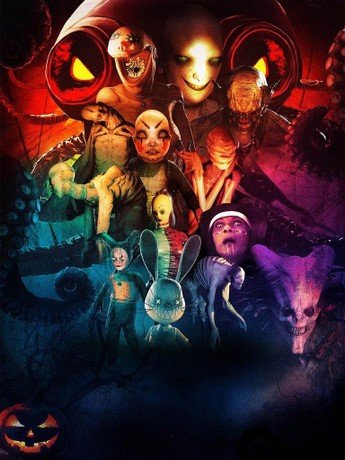
All Hallows Eve, commonly known as Halloween, is a celebration steeped in history, folklore, and symbolism. Originating from ancient Celtic festivals, particularly Samhain, it marks a time when the veil between the living and the dead is believed to thin, allowing for an increased flow of supernatural activity. This mystical atmosphere creates fertile ground for the discussion of psychic abilities, as many people find themselves more attuned to spiritual energies during this time. The intersection of All Hallows Eve and psychic phenomena invites a deeper examination of how belief, culture, and personal experience intertwine with the idea of heightened intuitive powers.
Historical Context
The roots of All Hallows Eve can be traced back to Samhain, a Gaelic festival marking the end of the harvest season and the onset of winter. Celts believed that during this time, the boundary between the living and the dead blurred, allowing spirits to roam freely. To honor these spirits and appease potentially malevolent ones, bonfires were lit, and people donned costumes. Over centuries, these practices evolved, incorporated into the Christian calendar as a precursor to All Saints’ Day. However, the core theme of connecting with the spiritual realm has persisted.
The belief in psychic abilities is as ancient as human civilization itself. Many cultures have revered individuals with heightened perceptions, often called shamans, oracles, or mediums. These figures were thought to possess the ability to communicate with spirits and foresee future events. With Halloween often linked to the supernatural, it serves as a cultural touchstone that invites individuals to explore these psychic possibilities and their own abilities.
The Veil Between Worlds
One of the most popular beliefs surrounding All Hallows Eve is that it is a time of heightened psychic awareness. Many claim that they feel more in tune with their intuition, emotions, and the energy around them during this time. This phenomenon can be attributed to several factors. The collective mindset of society shifts as people engage in rituals, storytelling, and celebrations related to death and the afterlife. The very ambiance created by dim lights, costumes, and the presence of the supernatural fosters an environment conducive to psychic experiences.
Additionally, the senses can be heightened in a setting saturated with symbolism and mystery. Candles flickering in the dark or the chilly autumn air can awaken latent sensitivities. Some individuals report enduring psychic experiences during this season, including prophetic dreams, feelings of being watched, or even encounters with entities from beyond. The integration of these experiences into Halloween festivities creates a unique cultural lens through which psychic abilities are both celebrated and scrutinized.
Personal Experience and Cultural Influence
Belief plays a powerful role in the manifestation of psychic abilities. For many, participating in Halloween rituals—whether through traditional practices such as apple bobbing or modern interpretations like themed parties—can serve as a catalyst for opening one’s mind to psychic phenomena. This openness can enable individuals to tap into their intuitive capabilities. People may find themselves drawing on their awareness and instincts more than usual, leading to experiences that feel psychic in nature.
This cultural focus on the mystical can also prompt individuals to explore their own psychic abilities more actively. Workshops, gatherings, and online forums see an uptick in participation during the Halloween season, as people seek to enhance their skills through divination practices like tarot reading, crystal ball gazing, or scrying. The interconnectedness of community during this time fosters an environment in which individuals encourage one another to embrace their gifts, further enhancing the collective psychic experience.
The Line Between Trick and Treat
However, the celebration of psychic abilities on All Hallows Eve is not without its complexities. The commercialization of Halloween has somewhat diluted its spiritual significance, reducing rich traditions to mere entertainments. Halloween costumes often feature stylized representations of witches, ghosts, and ghouls, which can overshadow the authentic reverence once associated with the holiday.
Moreover, the notion of psychic ability can be met with skepticism. The critical mind often questions the validity of psychic phenomena, particularly acts that might appear staged or deceitful. This skepticism highlights the tension between belief and empirical evidence, which is ever-present in the context of the paranormal. The challenge becomes finding the balance between respecting individual experiences and acknowledging the need for skepticism in separating genuine intuition from illusion.
All Hallows Eve serves as an intriguing intersection between the celebration of the supernatural and the exploration of psychic abilities. The historical and cultural significance of the date invites individuals to reflect on and engage with their intuition and sensitivity to the unseen. While the festive atmosphere may amplify psychic experiences, it is also crucial to navigate the landscape of belief and skepticism that accompanies such exploration.
In a world increasingly guided by rationality and science, All Hallows Eve stands as a rare invitation to confront the mystery of existence and the enigma of psychic phenomena. Whether one views these abilities as innate qualities, learned skills, or remnants of ancient belief systems, Halloween remains a potent reminder of humanity’s enduring fascination with the unseen and the unexplainable.


 Love
Love Astrologer
 Dreams
 Life Coach
 Medium
 Numerologist
 Palm Reader
 Paranormal
 Past Life
 Tarot Reader