
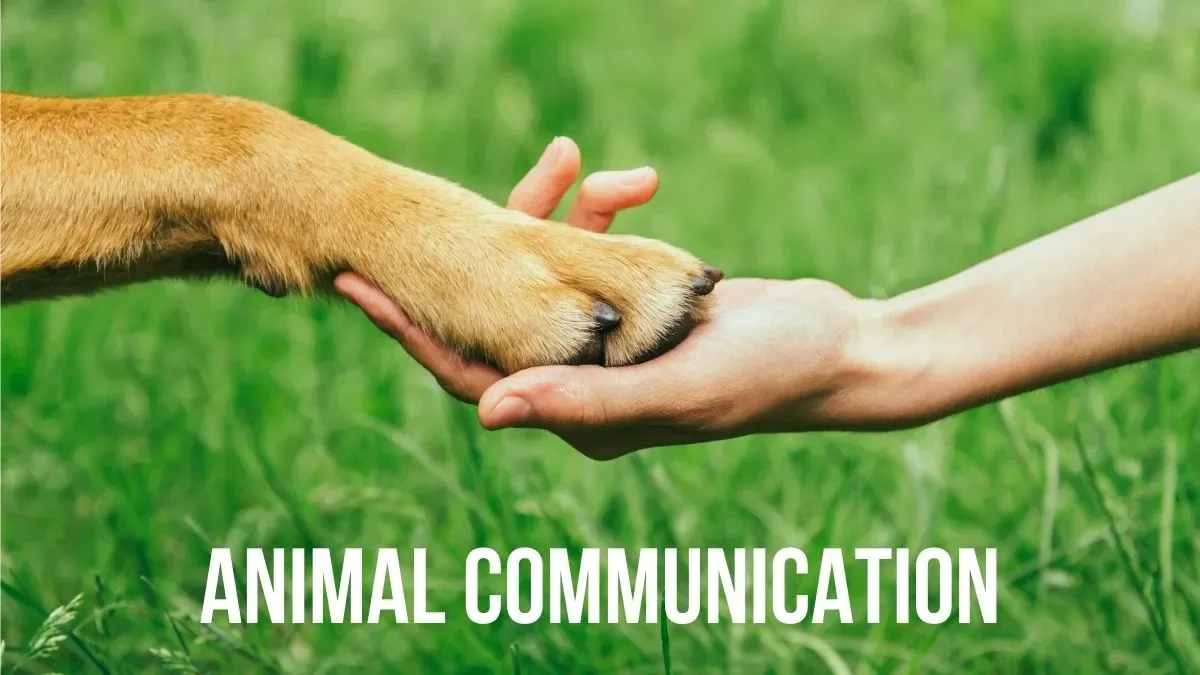
The bond between humans and animals is a unique and special one, with many people forming strong emotional connections with their pets. While we may not be able to speak the same language as our furry friends, there are many ways in which we can communicate with them. Animal and pet communication is a fascinating field that has gained significant attention in recent years, with many experts exploring the ways in which animals can convey messages to humans.
One of the most well-known methods of animal and pet communication is through body language. Animals use a variety of nonverbal cues, such as facial expressions, ear positions, and tail movements, to convey their emotions and intentions. For example, a dog that is feeling anxious or scared may display a tucked tail and avoid eye contact, while a happy dog may wag its tail and give its owner a friendly lick on the face. By paying attention to these subtle cues, humans can gain valuable insights into their pet’s emotions and needs.
Another way in which animals communicate is through vocalizations. While we may not be able to understand the specific words or sounds that animals make, we can still recognize certain patterns and tones that convey different meanings. For example, a dog’s bark may signal excitement or alarm, while a cat’s meow may indicate hunger or attention-seeking. By listening to these vocalizations and responding accordingly, humans can build stronger relationships with their pets.
In addition to body language and vocalizations, animals also communicate through scent marking. Many animals use pheromones to convey information about their identity, dominance status, and reproductive status. For example, dogs use scent marking to establish their territory and communicate with other dogs. By recognizing these scents and responding appropriately, humans can help to maintain harmony within their pet’s social hierarchy.
Telepathy is another method of animal and pet communication that has gained popularity in recent years. This involves using one’s intuition or psychic abilities to connect with an animal’s thoughts and emotions. While some people claim to possess this ability, others view it as a form of pseudoscience. However, regardless of one’s beliefs about telepathy, there is no denying that animals have a profound impact on our lives and can often sense our emotions and intentions.
In conclusion, animal and pet communication is a complex and multifaceted field that involves a range of different methods and techniques. From body language and vocalizations to scent marking and telepathy, there are many ways in which animals can convey messages to humans. By paying attention to these cues and responding appropriately, we can build stronger relationships with our pets and deepen our understanding of the animal kingdom.




 Love
Love Astrologer
 Dreams
 Life Coach
 Medium
 Numerologist
 Palm Reader
 Paranormal
 Past Life
 Tarot Reader