
Animal omens have held significant cultural and spiritual meanings across various societies throughout history. Animals are often believed to convey messages, warnings, or blessings. In ancient civilizations, animals were seen as messengers from the divine, providing insights into the future or guiding human decisions. For example, the ancient Egyptians associated certain animals, like the scarab beetle, with protection and rebirth.
In Native American cultures, animals were considered to possess spiritual powers and were often regarded as symbols of certain virtues or qualities. The eagle, for instance, symbolized strength and vision, while the wolf was associated with instinct and leadership. These animals were thought to offer guidance and insights to individuals and tribes.
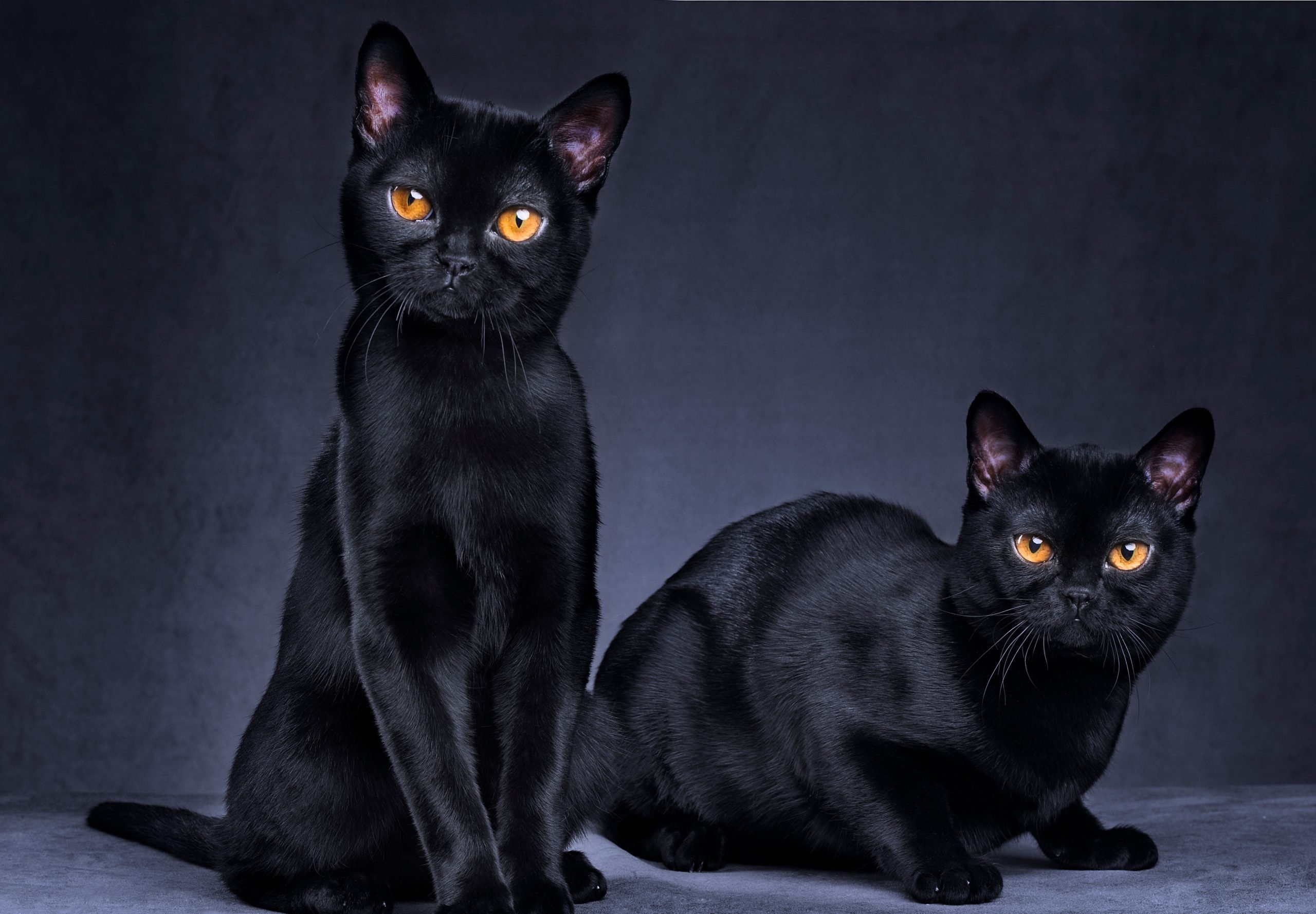
In some cultures, the appearance or behavior of certain animals was considered an omen, indicating good or bad luck. A common example is the black cat, which has been linked to superstitions about bad luck. However, the interpretation of animal omens can vary widely from one culture to another.
Despite the modern shift towards science and rationality, animal omens continue to hold significance for many people. Some individuals find comfort or guidance in observing the behavior of animals around them. For instance, seeing a particular bird might be interpreted as a sign from a deceased loved one or as a message to pay attention to a particular aspect of life.
In conclusion, animal omens are a fascinating aspect of human culture and spirituality. While interpretations may differ, the belief in animals as messengers or symbols of guidance continues to play a role in various societies, bridging the gap between the natural world and the spiritual realm.




 Love
Love Astrologer
 Dreams
 Life Coach
 Medium
 Numerologist
 Palm Reader
 Paranormal
 Past Life
 Tarot Reader