
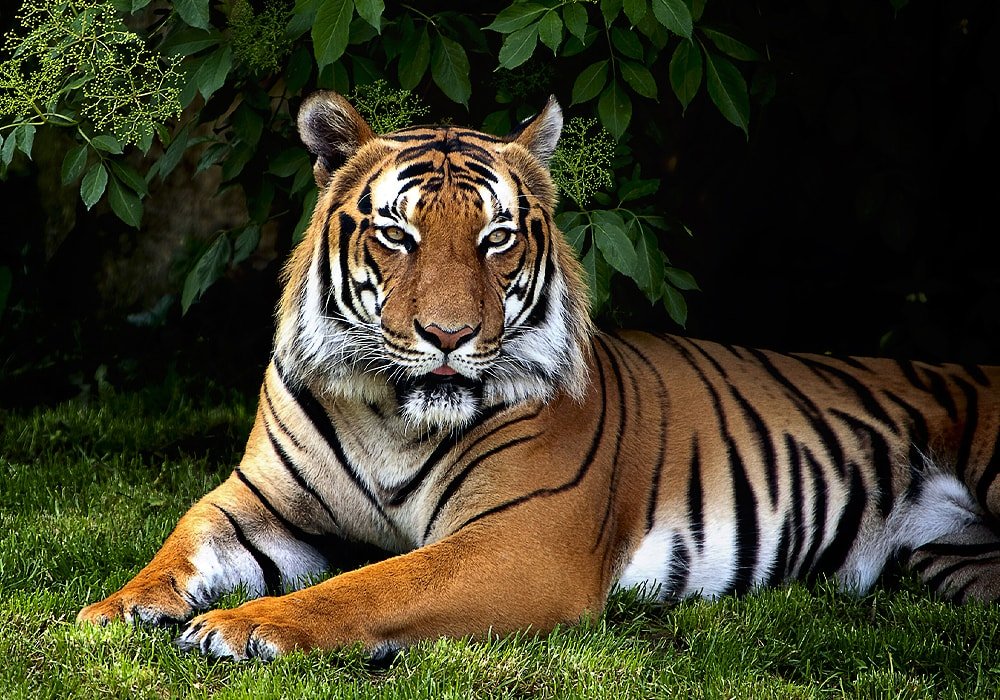
Throughout history, the relationship between humans and animals has been profound and multifaceted. Within various cultures across the world, animals have often been perceived not just as mundane elements of our environment but also as symbols or omens that can guide human behavior, foretell future events, or signify deeper meanings in life. This essay explores the concept of animals as omens, examining cultural interpretations, psychological implications, and the boundaries between superstition and understanding.
Cultural Interpretations
In many cultures, specific animals are believed to carry significant meanings or messages from the divine or the universe. For instance, in ancient Rome, augurs—priests who interpreted the will of the gods—would observe the flight patterns of birds to provide guidance on public decisions and military endeavors. Similarly, in various Native American traditions, animals are seen as totems, where each species embodies specific traits and lessons. A wolf, for instance, may represent loyalty and guardianship, while a bear could symbolize strength and bravery. These cultural narratives allow communities to connect deeply with nature, deriving wisdom and insight from the behaviors and characteristics of animals.
In other contexts, certain animals are associated with omens of good or bad fortune. For example, in Western folklore, a black cat is often deemed a portent of bad luck, while the appearance of a white dove might symbolize peace or hope. These associations can shape how individuals engage with the natural world. Over time, such beliefs can influence cultural practices, rituals, and even personal decisions, demonstrating the significant role animals play in shaping human perspectives.
Psychological Implications
The belief in animals as omens also brings to light intriguing psychological dimensions. The tendency to interpret animal behavior as symbolic can be connected to cognitive biases, including apophenia—the human inclination to perceive patterns and relationships in random information. This cognitive tendency can manifest in superstitions, where one might attribute personal or collective experiences to specific animal encounters.
Moreover, the presence of certain animals may elicit emotional responses that can be interpreted as omens. For example, encountering a butterfly might evoke feelings of joy or change, leading one to believe it signifies transformation. This psychological association can serve as a coping mechanism or provide comfort during uncertain times, illustrating how the belief in animals as omens extends beyond mere superstition into the realm of personal meaning and emotional resonance.
Boundaries Between Superstition and Understanding
While many may view the belief in animals as omens as purely superstitious, it is essential to recognize that such interpretations can also stem from a genuine desire to understand the world and our place within it. Animals, as sentient beings, possess their own unique behaviors and patterns that can serve as indicators of environmental changes. For instance, the migration of birds may signal seasonal shifts, while the unusual behavior of pets can indicate changes in the household environment. In this way, the animal kingdom provides valuable cues that inform human understanding, even if they become intertwined with symbolic meanings.
It is crucial to differentiate between archaic beliefs and modern scientific understanding. While animals do not possess inherent predictive abilities, observing their behavior can contribute to ecological knowledge and awareness. Forms of animal behavior can serve as indicators of environmental health, thus leading to a more profound understanding of our ecosystem.
In summary, the concept of animals as omens is deeply entrenched in cultural narratives and psychological frameworks. While often viewed through the lens of superstition, these beliefs also reveal humanity’s ongoing quest for meaning and understanding within the complex tapestry of life. As we navigate the intersections between culture, psychology, and nature, the allure of animals as omens continues to offer insight and reflection on our place within the natural world. Through embracing both interpretation and understanding, we foster a deeper connection to the environment around us, ultimately recognizing the threads that bind us to all living beings.




 Love
Love Astrologer
 Dreams
 Life Coach
 Medium
 Numerologist
 Palm Reader
 Paranormal
 Past Life
 Tarot Reader