

Throughout history, humans have been fascinated by the unknown, seeking to unravel the mysteries that lie beyond the boundaries of our physical existence. Channeling, a phenomenon deeply rooted in ancient spiritual practices, has captivated the imagination of many individuals, sparking debates and generating awe. In this essay, we will explore the concept of channeling, its historical origins, different forms, and potential implications, shedding light on this intriguing phenomenon.
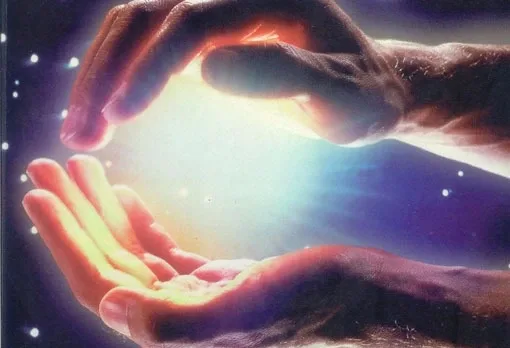
- Understanding Channeling:
Channeling can be defined as the process through which an individual, known as a medium, allows an external entity or consciousness to communicate through them. It involves establishing a connection between the medium and the source of information or guidance, which can range from spirits, deceased individuals, ascended masters, or even higher realms of consciousness. This phenomenon is believed to transcend ordinary human perception and taps into alternative dimensions or realms of existence. - Historical Origins:
Channeling is not a new concept but has been an integral part of various spiritual and mystical traditions throughout history. Ancient cultures such as the Greeks, Egyptians, and Native Americans engaged in practices similar to channeling. For instance, the Oracle at Delphi in ancient Greece was revered as a medium through whom the god Apollo spoke. Similarly, shamanic traditions involved practitioners acting as intermediaries between the physical and spiritual worlds, channeling wisdom and healing energies. - Forms of Channeling:
Channeling takes various forms, reflecting the diverse beliefs and cultural contexts in which it emerges. Some common forms include:
a) Trance Channeling: In this form, the medium enters a trance-like state, allowing an external entity to temporarily take control of their consciousness and communication faculties. The medium may have limited or no recollection of the information conveyed during the channeling session.
b) Conscious Channeling: Unlike trance channeling, conscious channeling involves the medium being fully aware and present during the process. They act as a conduit for the information or messages that are being transmitted, often through verbal communication.

c) Automatic Writing: This form of channeling involves the medium writing messages or information without conscious thought or control. The medium’s hand is guided by an external entity, resulting in written communication that appears distinct from their own writing style.
- Implications and Interpretations:
The practice of channeling raises intriguing questions and holds different interpretations based on individual beliefs and perspectives. Skeptics often attribute channeling experiences to psychological or cognitive factors such as the subconscious mind, selective perception, or even deliberate deception. On the other hand, proponents of channeling argue that it offers access to profound spiritual insights, personal guidance, and a deeper understanding of the universe. - Ethical Considerations:
Channeling, like any spiritual practice, presents ethical considerations. The authenticity and intentions of the medium must be carefully scrutinized to prevent exploitation or manipulation of vulnerable individuals seeking guidance. Critical thinking and discernment are essential in navigating the world of channeling, ensuring that it is approached with a balanced and informed perspective.
Conclusion:
Channeling continues to be a subject of intrigue and fascination, transcending cultural and historical boundaries. While it remains a topic of debate and skepticism, it has also provided comfort, inspiration, and transformative experiences for many. Regardless of one’s personal beliefs, exploring the phenomenon of channeling invites us to ponder the vastness of human consciousness, the nature of existence, and our connection to realms beyond the physical. It challenges us to embrace open-mindedness and explore the depths of our own spirituality, making channeling a compelling avenue for self-discovery and spiritual growth.



 Love
Love Astrologer
 Dreams
 Life Coach
 Medium
 Numerologist
 Palm Reader
 Paranormal
 Past Life
 Tarot Reader