
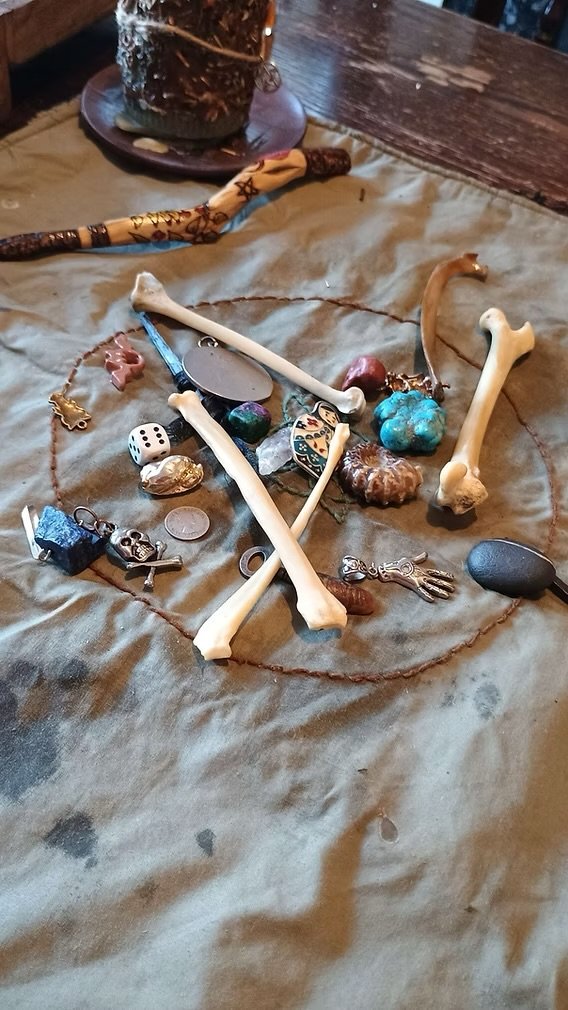
Throughout history, humans have sought ways to understand the unknown, predict the future, and gain insight into their lives. Two prominent facets of this quest are cleromancy and the practice of psychics. While both are rooted in divination, they differ significantly in their methods, cultural backgrounds, and societal perceptions.
Cleromancy: The Art of Casting Lots
Cleromancy derives from the Greek words kleros (lot) and manteia (divination). It is an ancient form of divination that involves casting lots, bones, stones, sticks, or other objects to interpret divine will. Historically, cleromancy has been practiced across various cultures, including the Hebrews, Romans, and Chinese societies.
In biblical times, casting lots was a common method for making crucial decisions, such as selecting leaders or determining divine favor. For example, the casting of lots was used to divide land or choose individuals for specific roles. The process often involved randomly selecting objects, with the resulting pattern or position interpreted as a message from the divine or universe.
Cleromancy’s appeal lies in its simplicity and perceived impartiality—by leaving the outcome to chance, practitioners believe they access divine guidance beyond human bias. Although considered a form of fortune-telling, cleromancy is often seen as more ritualistic and less personalized than other divination methods.
Psychics: Personal Intuition and Supernatural Abilities
In contrast, psychics are individuals claiming to possess innate or supernatural abilities to perceive information beyond normal human senses. The term encompasses a wide range of abilities, including clairvoyance (seeing into the future), telepathy (mind-to-mind communication), precognition, and mediumship (communicating with spirits).
Psychics often work one-on-one with clients, offering readings that interpret dreams, symbols, or intuitive insights. Unlike cleromancy, which relies on random objects, psychics typically claim to access information directly through their heightened perception or supernatural gift. This personal approach has made psychics popular in modern culture, with many offering services through tarot readings, aura analysis, or spiritual counseling.
While some skeptics view psychic abilities as mere tricks or self-delusion, believers argue that psychics serve as conduits to divine or spiritual knowledge, providing comfort, guidance, or clarity in times of uncertainty. The popularity of psychics underscores society’s ongoing fascination with the unseen and the desire for certainty amid life’s unpredictability.
Comparison and Cultural Significance
Both cleromancy and psychics reflect humanity’s enduring fascination with the mystical and the divine. Cleromancy’s reliance on chance aligns with a worldview that sees the universe as governed by divine will or fate. Psychics, on the other hand, emphasize individual supernatural abilities, representing a more personal connection to the spiritual realm.
Culturally, these practices serve different roles. Cleromancy often functions as a communal or ritualistic act, while psychic readings tend to be personal and individualized. Despite skepticism, both continue to influence contemporary spirituality, entertainment, and personal beliefs.
Cleromancy and psychics exemplify humanity’s timeless pursuit to transcend the limits of understanding through divine or supernatural means. Whether through casting lots or consulting a gifted individual, these practices highlight our innate curiosity and hope for insight into life’s mysteries. While their methods differ, both reflect a universal desire to find guidance in a complex and uncertain world.




 Love
Love Astrologer
 Dreams
 Life Coach
 Medium
 Numerologist
 Palm Reader
 Paranormal
 Past Life
 Tarot Reader