
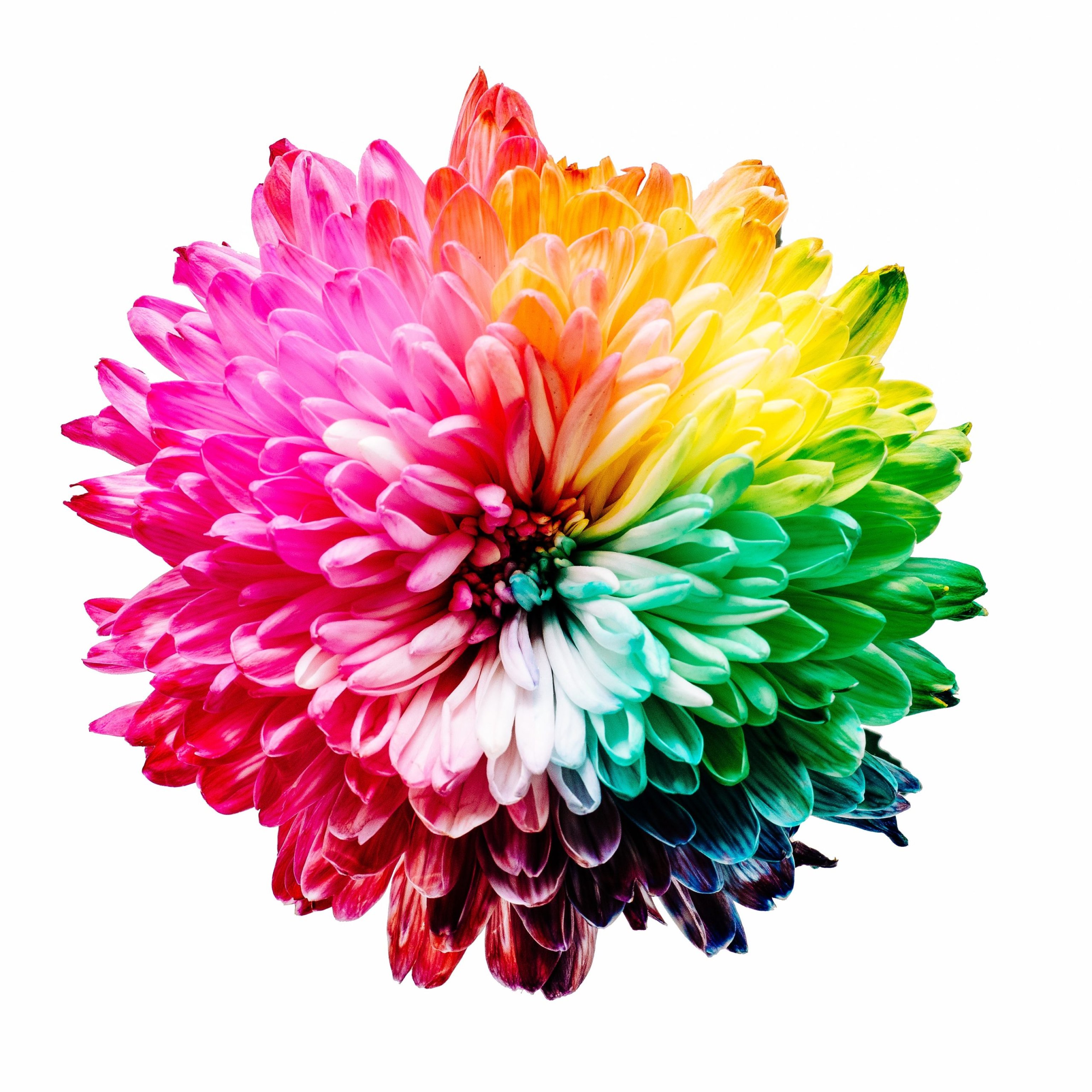
Have you ever walked into a bright yellow room and instantly felt happier? Or noticed how a soft blue sky seems to calm your racing thoughts? Color surrounds us every moment of every day, yet most people never stop to think about the subtle ways it may influence their emotions, energy, and outlook. This is the fascinating world of color therapy.
Also known as chromotherapy, color therapy is the belief that different colors can promote emotional balance, relaxation, motivation, or inspiration. While modern scientific evidence for treating medical conditions with color is limited, many people find that intentionally surrounding themselves with certain colors can positively influence their mood and create a more comforting environment.
The Meaning Behind Common Colors
Red is the color of passion, courage, and vitality. It grabs attention and symbolizes strength and determination. Too much red, however, may feel overwhelming or increase feelings of tension for some people.
Orange represents enthusiasm, creativity, and optimism. It’s often associated with warmth, adventure, and social connection. Many artists and entrepreneurs enjoy working in spaces with touches of orange because it can feel energizing.
Yellow shines with happiness, confidence, and mental clarity. Like sunshine, yellow often evokes hope and positivity. Used in moderation, it can brighten a room and lift spirits.
Green symbolizes nature, growth, healing, and renewal. Forests, gardens, and parks are filled with green, which may be one reason many people find nature restorative and peaceful.
Blue is commonly linked to calmness, trust, and relaxation. Gentle shades of blue are popular in bedrooms and meditation spaces because they often create a soothing atmosphere.
Purple has long been associated with imagination, wisdom, spirituality, and mystery. Throughout history, purple has also symbolized royalty and personal transformation.
Pink reflects kindness, compassion, affection, and emotional warmth. Softer shades often create a comforting, nurturing feeling.
White represents simplicity, peace, and fresh beginnings. Many people enjoy white spaces because they feel open, clean, and uncluttered.
Black symbolizes elegance, strength, mystery, and protection. While some associate black with seriousness, others see it as empowering and sophisticated.
Bringing Color Therapy Into Everyday Life
You don’t need expensive equipment to explore color therapy. Small changes can make your surroundings feel more intentional:
- Wear colors that match the mood you want to cultivate.
- Decorate your home with calming or energizing accents.
- Use colorful candles, blankets, flowers, or artwork.
- Spend time outdoors, noticing the rich colors of nature.
- Journal about how different colors make you feel over time.
Everyone responds to color a little differently. Personal experiences, culture, and memories all influence our emotional reactions. One person’s comforting shade of blue may remind another person of a sad memory. There is no universal rulebook.
Color and Mindfulness
One enjoyable practice is choosing a “color of the day.” Each morning, ask yourself what quality you need most.
Need confidence? Wear something red.
Need calm before a stressful meeting? Choose blue.
Looking for creativity? Add a splash of orange or purple.
Seeking balance after a hectic week? Spend time surrounded by green.
This simple ritual can become a gentle reminder to focus on your intentions throughout the day.
A Colorful Perspective
Whether you see color therapy as a spiritual practice, a mindfulness tool, or simply an opportunity to create beautiful surroundings, paying attention to color encourages us to become more aware of our emotional environment.
Color may not solve life’s biggest challenges, but it can shape the spaces we live in and the way we experience them. Sometimes, the smallest changes a bright bouquet on the table, a calming blue blanket, or a favorite green park can make an ordinary day feel just a little brighter.
Life is already filled with color. Perhaps the greatest therapy is learning to notice it.




 Love
Love Astrologer
 Dreams
 Life Coach
 Medium
 Numerologist
 Palm Reader
 Paranormal
 Past Life
 Tarot Reader