
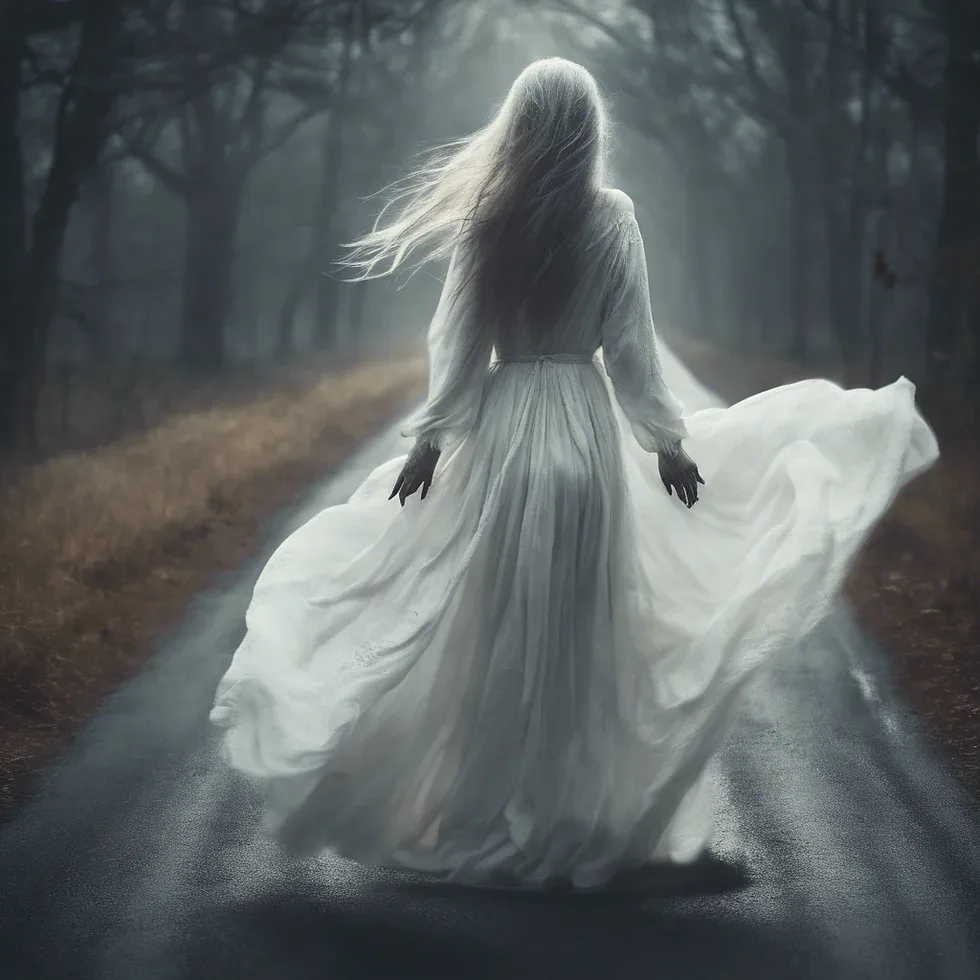
The realms of the supernatural and the metaphysical have fascinated humanity for centuries, giving rise to a multitude of beliefs, legends, and experiences. Among these, the concepts of ghosts and spirits often emerge in discussions about the beyond. Although the terms are frequently used interchangeably in popular culture, they embody distinct ideas with unique characteristics, origins, and implications. This essay aims to delineate the differences between ghosts and spirits, examining their definitions, cultural perceptions, and roles within the broader context of the afterlife.
Definitions and Characteristics
At the heart of the distinction between ghosts and spirits lies their definition. Ghosts are typically understood as the manifestations of deceased individuals who have not fully transitioned to the afterlife. They are often portrayed as lingering souls tied to specific locations or people, resulting from unfinished business, unresolved emotions, or traumatic events surrounding their death. Ghosts may appear in various forms, from full apparitions to fleeting shadows, and they are often described as having a particular energy that reflects their personalities or experiences in life.
In contrast, spirits encompass a broader category that transcends the notion of individual identities. Spirits can refer to the essences of the deceased, but they also include non-human entities, such as elemental spirits, angels, or guides. Unlike ghosts, spirits are often perceived as being more ethereal and less attached to the physical world. They may come and go freely, embodying a more fluid existence that can facilitate communication or guidance from a higher realm. This distinction allows for a wider interpretation of what it means to engage with the supernatural, emphasizing the interconnectedness of all beings—both living and deceased.
Cultural Perceptions
Cultural contexts significantly shape society’s understanding of ghosts and spirits. In many Western cultures, the concept of ghosts is largely influenced by literature, film, and folklore that emphasize the notion of haunted places and restless souls. Popular media often depicts ghosts in eerie settings, serving as embodiments of fear, mystery, or unfinished business. This portrayal tends to prioritize the individualistic experiences of ghosts, reinforcing the idea that they are tethered to the past, eternally seeking resolution.
Conversely, spirits hold a more diverse representation across various cultures. In many Indigenous belief systems, spirits occupy a vital role, often associated with nature, ancestors, and the divine. They are seen as protectors, guides, or sources of wisdom. In these contexts, spirits may not be tied to specific human experiences, allowing for a holistic understanding of existence that encompasses all living beings and their connections to the Earth and cosmos. For instance, in some African American spiritual traditions, ancestral spirits are revered as guardians who continue to influence the lives of their descendants, fostering a sense of continuity rather than lingering despondency.
Interactions and Implications
The interactions humans have with ghosts and spirits also highlight essential differences. Encounters with ghosts typically revolve around a sense of disturbance, fear, or the need for resolution. Ghosts often elicit a reaction that is tied to the individual’s history or trauma, which can create a cycle of anxiety or obsession in the living. Engaging with ghosts may involve attempts to uncover their stories, provide closure, or help them move on, thereby addressing their past grievances.
In contrast, interactions with spirits are often viewed as a source of guidance, support, or inspiration. Many people seek spiritual connections through practices such as meditation, prayer, or ritual to foster a sense of harmony and understanding. Spirits, in this sense, serve as conduits of wisdom and enlightenment, bridging the gap between the physical and spiritual realms. This engagement can enhance individuals’ spiritual journeys, promoting growth and introspection rather than the fixation on past miseries.
In summary, while the terms “ghosts” and “spirits” are commonly conflated, they encompass distinct meanings and cultural implications. Ghosts represent the remnants of deceased individuals, often tied to their unfinished business or emotional turmoil, whereas spirits serve as a broader representation of ethereal entities, including ancestral, elemental, or divine beings. Understanding these differences not only enriches our grasp of the supernatural but also allows for a more profound engagement with the mysteries of existence. As humanity continues to explore the realms beyond our own, recognizing the unique qualities of ghosts and spirits will deepen our appreciation for the intricate tapestry of life and death, illuminating the connections that bind us all.



 Love
Love Astrologer
 Dreams
 Life Coach
 Medium
 Numerologist
 Palm Reader
 Paranormal
 Past Life
 Tarot Reader