
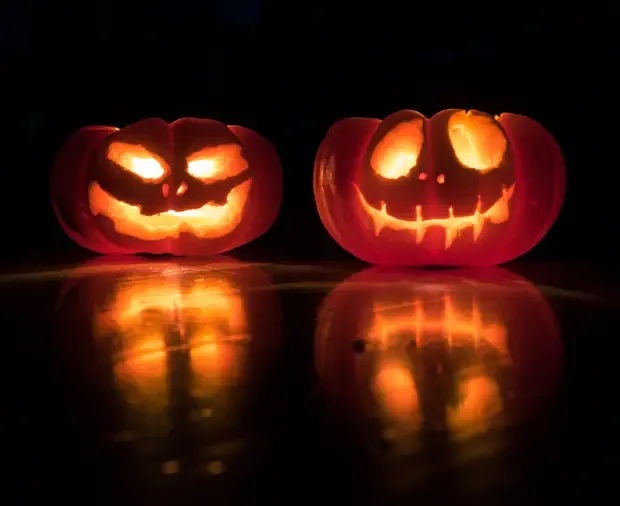
Halloween, celebrated on October 31st, has evolved from ancient rituals into a multifaceted cultural phenomenon that encapsulates themes of transformation, fear, and the supernatural. Rooted in the ancient Celtic festival of Samhain, the night marks a time when the boundary between the living and the dead is believed to thin, allowing spirits to roam the Earth. This essay explores the significance of Halloween in the context of transformation and the various powers it embodies, both in a metaphorical and literal sense.
The Historical Context of Halloween
Samhain, the precursor to modern Halloween, was a time for the Celts to honor their deceased ancestors while also preparing for winter. Bonfires were lit, and costumes made of animal skins were worn to ward off wandering spirits. This historical backdrop is crucial in understanding the transformative power of Halloween, as it allowed individuals and communities to confront mortality, paying homage to life and death in a celebratory manner.
Over centuries, Halloween has transformed, influenced by Roman and Christian traditions. The incorporation of All Hallows’ Eve into the Christian calendar shifted the focus from fear of the supernatural to remembrance of the saints. This transformation mirrors the way Halloween allows individuals the space to engage with fear, death, and the unknown, empowering them with the ability to confront these universal themes through celebration and creativity.
The Power of Transformation through Costumes
One of the most iconic aspects of Halloween is costume-wearing. The act of donning a costume allows individuals to step outside of their everyday persona and embody something entirely different. This transformative power is not merely superficial; it taps into deeper aspects of psychology and identity. People choose costumes that represent their desires, fears, or the fantastical elements of their imagination. By transforming into characters that embody these traits—be it a ghost, a witch, or a superhero—individuals explore parts of themselves that might otherwise remain hidden.
Costumes can serve as a form of empowerment. For some, dressing as a fearless figure can instill confidence and courage in one’s own life. The power of transformation during Halloween can encourage self-expression and exploration of identity, as people can momentarily shed societal expectations and embrace a different narrative. The freedom to embody another persona fosters a sense of playfulness and creativity, essential elements of human experience.
The Supernatural and the Forces of Fear
Halloween also engages deeply with the themes of fear and the supernatural, offering a unique form of empowerment through the exploration of these emotions. Haunted houses, horror films, and spooky decorations amplify feelings of fear and suspense, enabling participants to confront their anxieties in a safe environment. This engagement with fear can be liberating; by facing what terrifies us in a controlled setting, individuals gain a sense of mastery over their emotions.
The power of Halloween lies not only in the adrenaline rush of fear but also in the communal experience it fosters. People gather to share stories, attend parties, and partake in various festivities, creating a collective atmosphere of excitement and anticipation. These interactions serve to strengthen bonds within communities and offer support, reinforcing the idea that facing fears—whether they be personal or universal—is a shared experience.
Halloween is much more than just a night of costumes and candy; it is a powerful cultural event steeped in history and symbolism. The transformative aspects of dressing up and engaging with the supernatural allow participants to explore themes of identity, fear, and mortality. In embracing the powers inherent in transformation, individuals create a space where they can confront and redefine aspects of their lives, fostering personal empowerment and community connection. Thus, Halloween remains an enduring celebration of the complex interplay between life and death, reality and fantasy, fear and courage—a testament to the enduring power of transformation in the human experience.


 Love
Love Astrologer
 Dreams
 Life Coach
 Medium
 Numerologist
 Palm Reader
 Paranormal
 Past Life
 Tarot Reader