
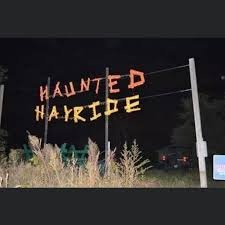
Haunted hay rides have become a popular autumnal activity, merging the thrill of fear with the simplicity of rural life. Particularly celebrated in the weeks leading up to Halloween, these events offer a unique blend of entertainment that appeals to a wide range of audiences—from families with children to thrill-seekers. This essay delves into the origins of haunted hay rides, their cultural significance, the psychological components of fear in entertainment, and the social dynamics they foster.
Origins and Evolution
The tradition of hay rides can be traced back to agricultural practices, where hay bales were transported by horse-drawn wagons through fields and orchards. With the onset of fall, the harvest season brings communities together, celebrating a time of abundance and preparing for the colder months ahead. The practice of turning these rustic rides into haunted attractions emerged in the late 20th century as part of the growing trend of seasonal ghost tours and haunted houses.
By integrating elements of horror—such as spooky decorations, costumed actors, and chilling narratives—haunted hay rides transformed from simple agricultural activities into elaborate experiences designed to evoke fear and excitement. This evolution reflects broader cultural trends in the entertainment industry, where experiences that cater to the thrill-seeking nature of participants have gained popularity.
Cultural Significance
Haunted hay rides serve a significant role in contemporary culture, particularly in North America. They provide a communal space for people to engage in seasonal festivities while embracing the themes of Halloween. This connection to tradition and the harvest season is vital; for many, these rides recall childhood memories of rural life, family gatherings, and Halloween parties.
Moreover, haunted hay rides contribute to the local economy, drawing visitors to farms and rural areas, and allowing communities to showcase their creativity and hospitality. The blend of agriculture and entertainment fosters a sense of community as local businesses and individuals collaborate to create a cohesive experience that resonates with participants.
The Psychology of Fear
Engaging with fear is a powerful psychological phenomenon. Haunted hay rides encapsulate a safe environment in which participants can explore their fears without genuine danger. They allow individuals to confront their anxieties regarding the unknown and mortality in a controlled setting, making it a cathartic experience.
From the moment participants climb onto the hay wagon, they may encounter actors wearing horror-themed costumes or experience unexpected scares, all designed to elicit an adrenaline rush. This excitement is often punctuated by laughter, demonstrating how humor and horror can coexist. The exhilaration felt during such experiences can lead to a release of endorphins, creating a sense of euphoria that enhances the overall enjoyment of the attraction.
Social Dynamics
Haunted hay rides also play a significant role in social interaction. They serve as a shared experience that strengthens bonds among friends, family, and community members. The collective experience of fear often cultivates camaraderie, as participants react together in delight and terror. This shared emotional experience can forge lasting memories, deepening relationships and fostering a sense of belonging.
Additionally, the diverse nature of attendees—from young children to thrill-seeking adults—encourages multi-generational participation. Families can come together to enjoy the fun, allowing parents and grandparents to share stories of their own experiences with fear and excitement, knitting together the fabric of communal experience.
Haunted hay rides exemplify a unique cultural phenomenon that combines elements of tradition, psychological thrill, and social bonding. They invite individuals to experience fear in a safe and controlled environment while fostering a sense of community through shared experiences. As they continue to evolve and attract new audiences, haunted hay rides represent a compelling intersection of entertainment, culture, and psychology, ensuring their place in the landscape of autumn festivities for years to come.



 Love
Love Astrologer
 Dreams
 Life Coach
 Medium
 Numerologist
 Palm Reader
 Paranormal
 Past Life
 Tarot Reader