
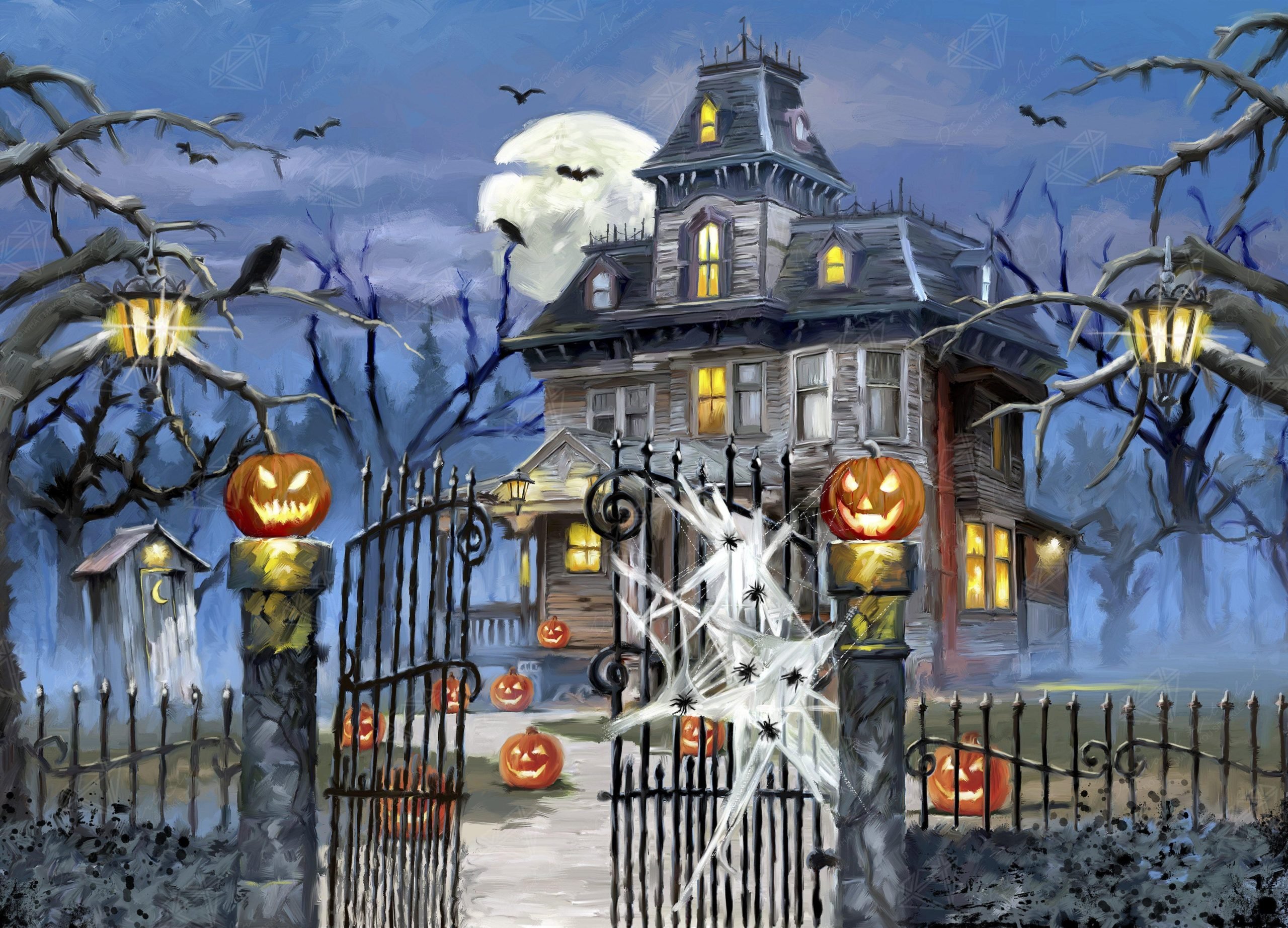
The allure of haunted houses and the enigmatic presence of psychics form a fascinating intersection between culture, belief, and the supernatural. These themes, deeply rooted in folklore and popular culture, draw individuals seeking thrills, solace, or answers from beyond the physical world. This essay aims to explore the concept of haunted houses, the role of psychics within the broader context of paranormal phenomena, and how these elements reflect society’s fascination with mystery and the unknown
Haunted Houses: History and Cultural Significance
Haunted houses are often depicted as locations where spectral entities linger, possessing a connection to tragic histories, unresolved traumas, or intense emotional energies. The phenomenon of haunted houses can be traced back to ancient civilizations, where spirits were believed to inhabit specific locations. In many cultures, these houses are seen as vessels of history, preserving stories of past inhabitants and the events that transpired within their walls.
In contemporary society, haunted houses serve not only as places of fear and fascination but as cultural artifacts that mirror societal attitudes toward death and the afterlife. They often embody collective fears and curiosities about what happens after we die. Popular media, from movies to reality television shows, perpetuates these narratives, leading to increased interest in ghost hunting and paranormal investigations. Events like Halloween celebrations further solidify this interest, transforming ordinary homes into sites of spookiness and intrigue.
The Role of Psychics
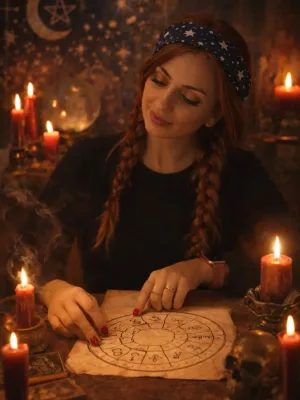
Psychics, individuals believed to possess extrasensory perception (ESP) or other forms of heightened intuition, often play a significant role in the exploration of haunted spaces. They claim to connect with spirits, interpret energies, and provide insights into the lives of the departed. The psychic phenomenon can range from mediumship—where a psychic communicates directly with spirits—to tarot reading, astrology, and other forms of divination.
In haunted houses, psychics often serve as guides for those seeking closure or understanding. They may help individuals process grief or unresolved issues by facilitating communication with deceased loved ones. This practice provides comfort to many, reinforcing the belief that connections with the afterlife are possible. Some psychics also claim to possess the ability to cleanse spaces of negative energy, further appealing to those who experience fear or discomfort in purportedly haunted locations.
The Intersection of Fear and Comfort
The dual nature of haunted houses and psychics reveals a complex relationship between fear and comfort. While the idea of a haunted house can evoke terror and anxiety, engaging with the paranormal can also provide a sense of reassurance. For many, the exploration of haunted locations is not merely about confronting fear but about seeking understanding in the face of life’s most profound mysteries, particularly death.
Furthermore, psychics often embody this duality. They can be seen as guardians of the past, helping the living come to terms with the unknown. Their presence can make the exploration of haunted spaces feel safer, allowing individuals to engage with their fears in a controlled environment. By interpreting and giving meaning to the experience of hauntings, psychics provide a framework through which individuals can process their emotions.
Criticism and Skepticism
Despite the thriving culture surrounding haunted houses and psychics, skepticism abounds. Critics often argue that ghostly encounters and psychic abilities lack empirical evidence and can be dismissed as psychological phenomena or mere entertainment. The psychological concept of pareidolia—the tendency of humans to see patterns and meaning in random stimuli—can explain many experiences associated with ghost sightings. Moreover, the commercial exploitation of haunted houses, especially during Halloween, raises ethical questions regarding authenticity and consumerism in the paranormal realm.
Yet, the continued popularity of haunted houses and psychics suggests a deeper psychological and cultural need. In navigating existential questions, individuals may find meaning, whether in the guise of ghostly legends or psychic insights. This fascination speaks to an innate human curiosity about life, death, and what lies beyond.
Haunted houses and psychics represent a rich tapestry of beliefs, fears, and desires that shape our understanding of the unknown. As we grapple with the mysteries of life and death, these elements provide lenses through which we can explore our emotions and confront our fears. Whether one believes in the paranormal or not, the cultural significance of haunted houses as sites of stories and experiences, paired with the comforting presence of psychics, speaks to the enduring human quest for connection, understanding, and meaning in the enigmatic realm beyond our comprehension.


 Love
Love Astrologer
 Dreams
 Life Coach
 Medium
 Numerologist
 Palm Reader
 Paranormal
 Past Life
 Tarot Reader