
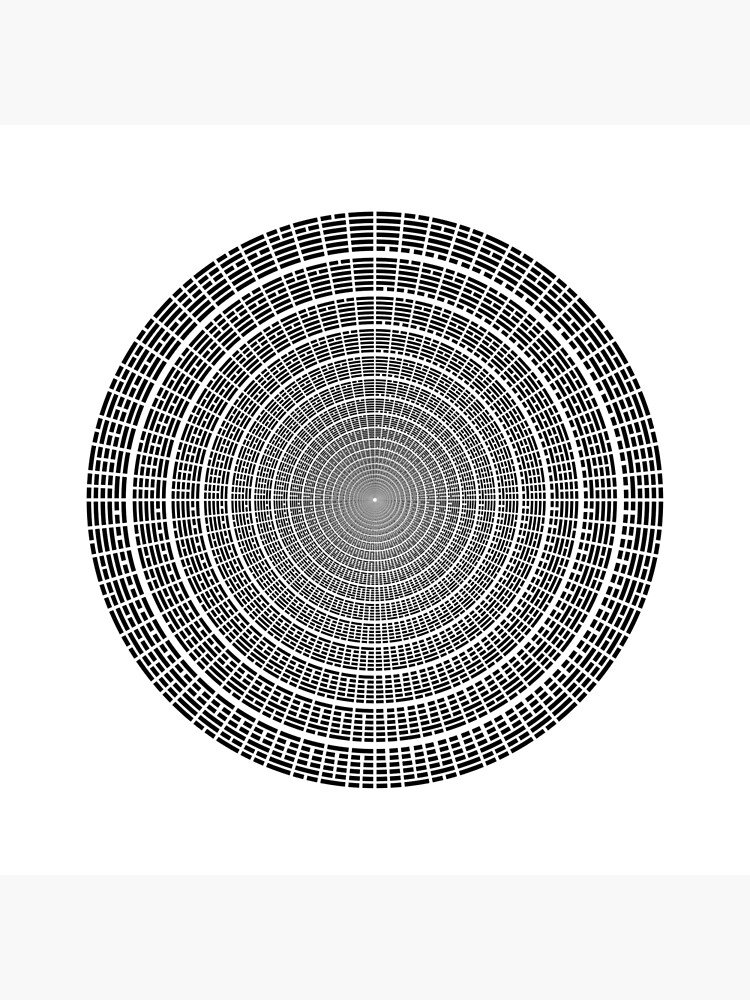
Hexagrams have various meanings and applications depending on the context in which they are used. One of the most notable contexts of hexagrams is in the I Ching (or Book of Changes), an ancient Chinese divination text and one of the oldest classics of Chinese literature. The use of hexagrams can also extend to other disciplines such as mathematics, chemistry, and even symbolic representation in art and culture. Here is an exploration of hexagrams primarily in relation to the I Ching, along with their broader significance.
Hexagrams in the I Ching
The I Ching consists of 64 hexagrams, each formed by stacking six lines, where each line can be either broken (representing Yin) or unbroken (representing Yang). The hexagrams are used as a means of divination, reflecting the dynamic nature of existence and illustrating the balance of forces in the universe. Each hexagram is associated with a specific meaning, guiding the reader toward understanding a situation, decision-making, or interpreting events in their lives.
Structure and Interpretation
A hexagram can be represented as follows:
- Yang Line (—): Represents positive, active, or hard qualities.
- Yin Line (— —): Represents negative, receptive, or soft qualities.
The combination of these lines results in a unique structure for each hexagram, leading to 64 possible combinations. The hexagrams are often interpreted through the analysis of their changing lines, suggestions for action, and associated imagery or judgment texts that accompany each hexagram.
Philosophical and Cultural Significance
The I Ching and its hexagrams are steeped in philosophical significance, reflecting core concepts of Chinese philosophy, particularly Taoism and Confucianism. It encourages self-reflection, stressing the importance of understanding the situation’s context before making decisions.
- Yin and Yang: The interplay between Yin and Yang represents duality and balance in nature and life, reinforcing the idea that opposites are interconnected and interdependent.
- Change and Transformation: The I Ching emphasizes the constant flux of life. Each hexagram not only depicts a static state but also implies transformation and the potential for change. This concept encourages adaptability and wisdom in navigating life’s complexities.
Broader Applications of Hexagrams
Outside of the I Ching, hexagrams can be found in various disciplines:
- Mathematics: In geometry, hexagrams can represent figures such as the Star of David and are also used in combinatorial designs and graph theory.
- Chemistry: In molecular chemistry, hexagrams may symbolize hexagonal structures, which are crucial in the representation of certain chemical compounds such as benzene.
- Art and Culture: Hexagrams are recognized symbolically in various cultures, often representing harmony, balance, and unity. Artists and writers have employed hexagrams to convey complex ideas and emotions visually.
- Games and Puzzles: The geometric aspect of hexagrams has led to their application in board games and puzzles, challenging players to think strategically.
Hexagrams serve as a rich symbol in spiritual, philosophical, and practical contexts. Their presence in the I Ching illustrates a profound metaphor for the interconnectedness of life and the balance of opposing forces. Beyond this classical usage, hexagrams extend into various fields, enriching our understanding of geometric symmetry and harmony. Their ongoing relevance can be seen as a testament to the enduring human quest for knowledge, balance, and meaning in the journey of life.




 Love
Love Astrologer
 Dreams
 Life Coach
 Medium
 Numerologist
 Palm Reader
 Paranormal
 Past Life
 Tarot Reader