
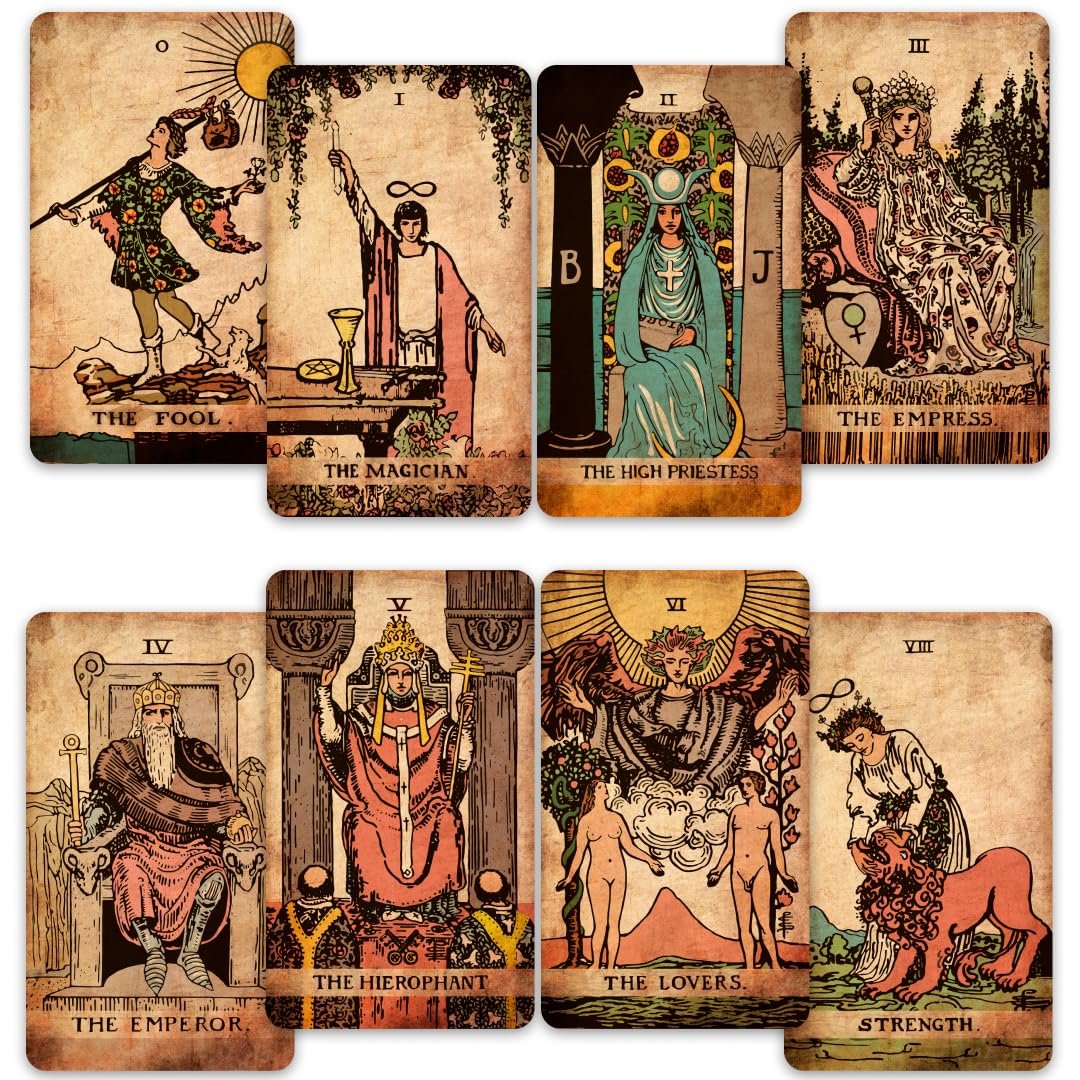
Giving a tarot card reading can be a profound and transformative experience, both for the reader and the querent (the person receiving the reading). If you’re preparing to write an essay about how to give a tarot card reading, consider the following tips:
1. Introduction to Tarot
- Define Tarot: Begin by explaining what tarot cards are—a tool used for divination, self-reflection, and guidance.
- History and Purpose: Provide a brief background on the origins of tarot and its purpose in various cultures.
2. Understanding the Tarot Deck
- Major and Minor Arcana: Describe the structure of a tarot deck, including the 22 Major Arcana cards that speak to significant life themes and the 56 Minor Arcana cards that reflect day-to-day events.
- Card Meanings: Discuss the basic meanings of key cards, illustrating their upright and reversed positions.
3. Setting Up the Reading Environment
- Creating a Comfortable Space: Emphasize the importance of a quiet, inviting space free from distractions. Include details about lighting, decor, and the use of relevant symbols or items.
- Gathering Tools: Mention common items that can enhance the reading, such as crystals, candles, and incense.
4. Establishing Intention
- Clarifying Intent: Discuss the need to establish a clear intention before starting the reading, both for the reader and the querent. This can help focus the energy and ensure that the reading is meaningful.
- Grounding and Centering: Describe techniques for grounding oneself, such as meditation or breathing exercises, to ensure clarity during the reading.
5. Conducting the Reading
- Shuffling and Drawing Cards: Explain the process of shuffling the deck and drawing cards. Discuss the significance of the querent’s involvement in this process.
- Card Spreads: Introduce different tarot spreads (e.g., past-present-future, Celtic cross) and explain how they can be used to structure a reading.
6. Interpreting the Cards
- Intuitive Reading: Encourage readers to trust their intuition as they interpret each card, balancing both defined meanings and personal insights.
- Connecting Cards: Discuss how to look for patterns and connections between the cards in a spread.
- Using Symbols and Imagery: Highlight the importance of paying attention to the symbols and images on the cards, as they can offer additional insights.
7. Communicating the Reading
- Being Clear and Compassionate: Stress the importance of delivering information compassionately, especially when challenging cards appear.
- Encouraging Dialogue: Suggest inviting questions or feedback from the querent during the reading to enhance understanding and interaction.
8. Closing the Reading
- Reflecting on the Experience: Encourage a discussion at the end of the reading to reflect on the insights gained.
- Expressing Gratitude: Highlight the significance of thanking the cards, the energy, and the querent for the experience.
9. Ethics and Responsibility
- Maintaining Confidentiality: Stress the importance of keeping the querent’s information and experience private.
- Being Mindful: Discuss the responsibility of the reader to provide thoughtful and uplifting guidance without giving definitive answers or making predictions that could adversely affect the querent’s choices.
10. Conclusion
- Personal Growth and Learning: Wrap up by reflecting on how giving tarot readings can be a journey of personal growth for both the reader and the querent.
- Invitation to Explore: Encourage readers to explore tarot further, whether as a tool for personal insight or as a practice to help others.
Additional Tips
- Practice: Emphasize the importance of practice and developing one’s unique style.
- Community: Consider joining tarot communities or forums for support and sharing experiences.
By following these tips, your essay will provide a comprehensive guide to giving a tarot card reading, suitable for both novice readers and those seeking to deepen their practice.




 Love
Love Astrologer
 Dreams
 Life Coach
 Medium
 Numerologist
 Palm Reader
 Paranormal
 Past Life
 Tarot Reader