
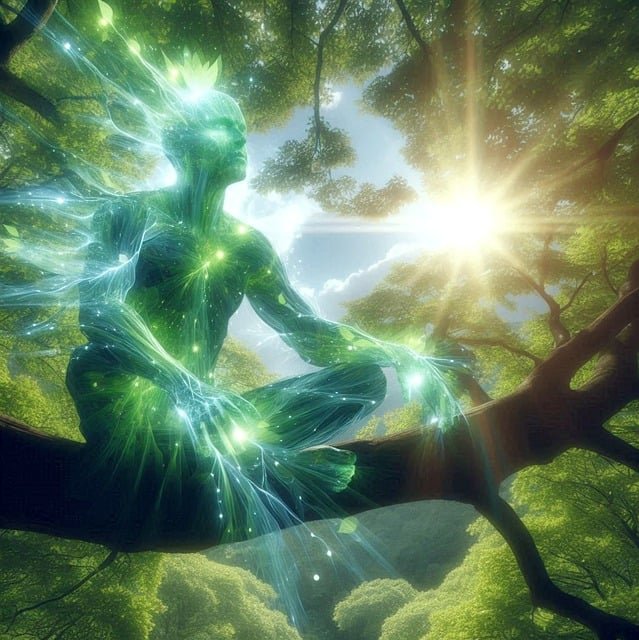
Testing a spirit often refers to assessing its characteristics, behavior, and nature through various methods that can range from spiritual practices to scientific approaches. Here’s an essay that outlines different methodologies one might consider when “testing” a spirit, with a focus on spiritual, cultural, and psychological perspectives.
Understanding Spirits
Before delving into how to test a spirit, it’s important to clarify what we mean by “spirit.” In many cultures, spirits can be understood as non-corporeal entities ranging from ancestral souls to supernatural beings. They may be associated with specific places, emotions, or concepts. Testing a spirit involves discerning its intentions, authenticity, and whether it poses any risk to the living.
Spiritual and Cultural Practices
- Rituals and Ceremonies: Many cultures have specific rituals designed to communicate with or assess spirits. These can include offerings, prayers, or the use of mediums. For example, in some Indigenous cultures, individuals might engage in a talking circle, where participants invoke the spirit and seek to understand its messages.
- Divination Practices: Techniques such as tarot reading, scrying, or using pendulums can be seen as ways to “test” or gain insight into a spirit’s intentions. Practitioners often create a sacred space and use these tools to receive guidance and clarity about the spirit in question.
- Spirit Mediums: Mediums often claim to communicate with spirits on behalf of the living. Engaging a reputable medium can provide insights into a spirit’s nature and intentions. Testing a spirit through a medium involves asking specific questions to discern the spirit’s identity and message.
Psychological Perspectives
- Emotional Responses: Assessing how individuals feel during spiritual interactions can provide clues about the spirit’s nature. Positive and uplifting feelings may indicate a benevolent spirit, whereas negative emotions such as fear or discomfort could suggest the opposite. Keeping a journal of these experiences can help track patterns over time.
- Shared Experiences: Engaging a group of people in testing a spirit can lead to shared experiences that validate or challenge individual interpretations. This can include group séances or ghost hunts, where collective observations can provide a broader understanding of the spirit’s presence.
- Reality Testing: From a psychological viewpoint, questioning the reality of the spirit’s presence is essential. This can involve critical thinking and skepticism, where individuals examine their experiences for natural explanations. For instance, feelings attributed to a spirit might be the result of environmental factors or psychological states.
Scientific Approaches
- Environmental Measurements: Some paranormal investigators use tools such as electromagnetic field (EMF) meters, thermal cameras, and audio recording devices to gather data in locations believed to be haunted. While these tools don’t test a spirit per se, they can help identify unusual phenomena that merit further investigation.
- Controlled Experiments: Researchers might engage in controlled psychological experiments to see how suggestion and belief can create spiritual experiences. This can help differentiate between genuine encounters and those influenced by expectations or cultural narratives.
Testing a spirit is a multifaceted endeavor, influenced by cultural beliefs, psychological interpretations, and scientific methodologies. It encompasses an exploration of personal beliefs and experiences, as well as an inquiry into the broader metaphysical principles that may govern spiritual existence. As with any personal journey into the metaphysical, respect, and caution are essential, for the outcomes may challenge our understanding of reality and our place within it. Ultimately, the approach one takes will depend on their beliefs, experience, and openness to the unseen dimensions of existence.




 Love
Love Astrologer
 Dreams
 Life Coach
 Medium
 Numerologist
 Palm Reader
 Paranormal
 Past Life
 Tarot Reader