
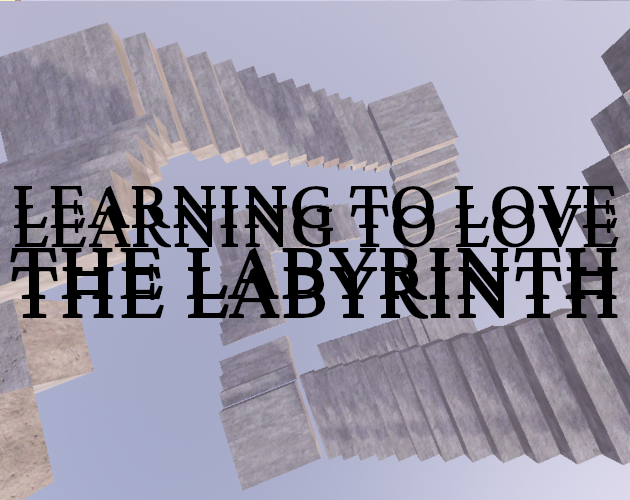
Labyrinths have fascinated humanity for centuries, serving as symbols of journey, discovery, and introspection. Their intricate patterns invite us to explore not only physical pathways but also the depths of our inner selves. Embracing labyrinths—both literal and metaphorical—can enrich our lives by fostering patience, resilience, and self-awareness.
Historically, labyrinths have appeared in diverse cultures, from the elaborate designs of ancient Greece to the sacred mazes of medieval Europe. These structures often represented spiritual journeys, rites of passage, or symbols of the cosmos. Their complexity challenges us to navigate confusion and uncertainty, mirroring life’s unpredictable nature. Instead of perceiving labyrinths as obstacles, we can learn to see them as opportunities for growth and reflection.
Learning to love labyrinths begins with shifting our perspective. Instead of viewing them as confusing or frustrating, we can approach them as meditative tools. Walking a labyrinth slowly allows us to quiet our minds, focus on the present moment, and gain clarity. This mindful practice can reduce stress, foster creativity, and enhance emotional resilience. Over time, we develop patience and a deeper understanding that the journey itself holds more significance than the destination.
Moreover, labyrinths teach us humility and acceptance. When faced with a complex maze, we learn to adapt, to trust the process, and to embrace uncertainty. These lessons extend beyond physical pathways into our daily lives, encouraging us to navigate challenges with calmness and perseverance. The act of intentionally engaging with a labyrinth transforms a simple walk into a metaphor for life’s ongoing voyage.
In a broader sense, loving labyrinths involves appreciating their symbolism and the lessons they impart. They remind us that life is not always a straightforward path but a series of twists and turns. By learning to love the process of exploration, we become more open to change, more resilient in adversity, and more compassionate toward ourselves and others.
In conclusion, embracing labyrinths—literally and figuratively—can be a transformative experience. They encourage patience, self-discovery, and acceptance. By learning to love labyrinths, we open ourselves to a richer, more mindful way of living, appreciating the beauty in complexity and the value of every step along our journey.




 Love
Love Astrologer
 Dreams
 Life Coach
 Medium
 Numerologist
 Palm Reader
 Paranormal
 Past Life
 Tarot Reader