
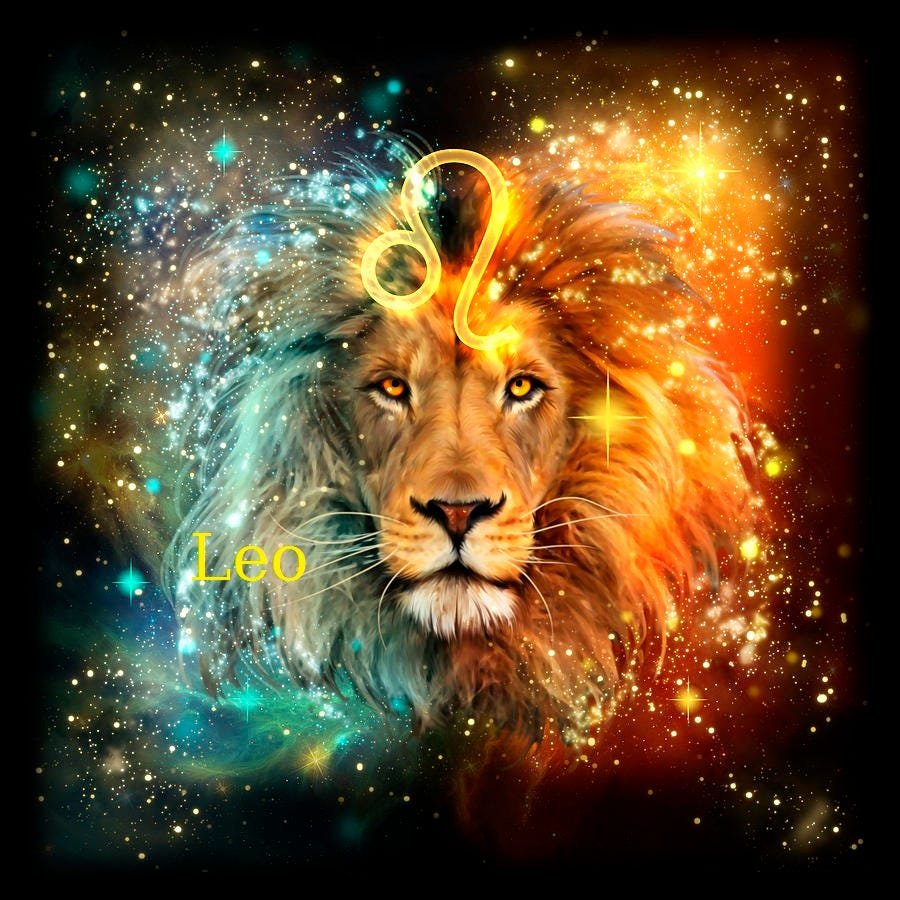
Superstition and astrology have long gone hand in hand, with zodiac signs often influencing how people interpret events, relationships, and personalities. Among the twelve zodiac signs, Leo stands out not only for its bold, fiery nature but also for the superstitions that surround it. Those born under the Leo sign between July 23 and August 22—are ruled by the Sun, symbolized by the lion, and often associated with traits such as leadership, pride, creativity, and charisma. These qualities have made Leo a magnet for both admiration and myths, leading to a range of superstitions tied to the sign.
One common superstition is the belief that Leos are destined for fame or leadership. Because they are ruled by the Sun, often viewed as the center of the universe, it’s a widely held notion in astrological circles that Leos will always end up in the spotlight. While this may be true for some, it’s a superstition that can place unrealistic expectations on individuals. Not every Leo seeks or finds fame, and tying destiny to a birth sign can ignore the complex factors that shape a person’s life.
Another superstition suggests that Leos are protected by cosmic luck, especially in matters of finance and love. Many believe that the lion’s courage and confidence attract wealth and romance naturally. As a result, some people may wear gold (Leo’s traditional lucky metal) or carry lion-themed charms, thinking they will enhance their Leo energy and good fortune. While these items may offer psychological comfort or confidence boosts, their effectiveness is based more in belief than evidence.
There is also a superstition that Leos should avoid certain signs like Taurus or Scorpio because of elemental conflicts (fire vs. earth or water). Astrology enthusiasts sometimes warn against such pairings, claiming they will lead to dramatic clashes or doomed relationships. While compatibility in relationships can be influenced by personality, reducing it to zodiac signs alone can lead to unfair generalizations and missed opportunities for connection.
Despite the magical thinking involved, many Leos embrace these superstitions as part of their identity. Whether it’s wearing orange or gold (Leo’s lucky colors), setting intentions during the Sun’s transit, or consulting horoscopes before big decisions, these rituals can offer a sense of control, purpose, and community. Superstitions, in this way, aren’t always harmful; they can be comforting traditions that help people feel more connected to themselves and others.
In conclusion, the sign of Leo is deeply entwined with astrological superstitions that reflect both admiration and myth. While these beliefs may lack scientific proof, they persist because they tap into human desires for meaning, confidence, and connection. Whether one believes in Leo superstitions or not, they remain a fascinating part of how culture, psychology, and cosmic symbolism intersect.


 Love
Love Astrologer
 Dreams
 Life Coach
 Medium
 Numerologist
 Palm Reader
 Paranormal
 Past Life
 Tarot Reader