
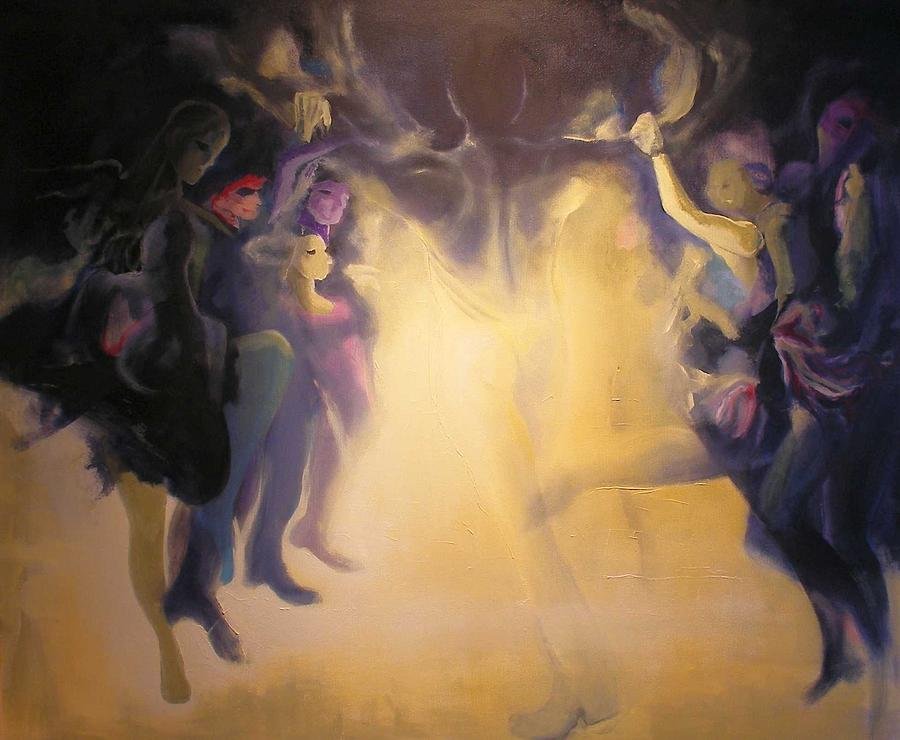
Fear of spirits, ghosts, or the supernatural is a profound and common experience that transcends cultures and generations. Whether rooted in folklore, personal experiences, or societal conditioning, this fear can significantly influence an individual’s psyche. Confronting and overcoming this fear involves a combination of self-reflection, education, and practical strategies. This essay explores how individuals can navigate their fears and move towards a place of understanding and acceptance.
Understanding the Roots of Fear
The first step in overcoming any fear is understanding its roots. Fear of spirits often arises from cultural narratives, personal experiences, and psychological predispositions. Many cultures have rich traditions involving spirits, ghosts, or the afterlife, which can instill fear from a young age. Furthermore, personal experiences or stories passed down through generations can solidify these fears. Recognizing that these fears may be informed by external influences rather than personal reality can be the first step in demystifying them.
Education as a Tool for Transformation
Knowledge is a powerful antidote to fear. Learning about the historical, psychological, and cultural dimensions of spirits can help individuals frame their fears within a broader context. Many studies suggest that fear is often exacerbated by the unknown. By educating ourselves about the origins of ghost stories, cultural beliefs around the supernatural, and psychological explanations for perceived encounters with spirits, we begin to dismantle the myths that fuel our fears.
Books, documentaries, and academic research can provide insightful perspectives and challenge preconceived notions. Understanding that fear of spirits often stems from natural phenomena—such as sleep paralysis or heightened states of anxiety—can also help individuals disassociate these experiences from malevolent or supernatural explanations.
Personal Reflection and Journaling
Another effective strategy for overcoming the fear of spirits is personal reflection. Keeping a journal can aid in articulating feelings and experiences related to this fear. Writing about specific incidents, the emotions felt, and the context surrounding them can help individuals process their fears in a safe space. Through journaling, one can identify patterns and triggers associated with their fear and explore their emotional responses.
Moreover, mindfulness practices, such as meditation, can assist in grounding oneself. By focusing on the present moment and cultivating a sense of inner peace, individuals can gradually reduce anxiety associated with fearful thoughts of spirits. Mindfulness encourages accepting feelings and thoughts without judgment, which can be a beneficial practice when confronting fears.
Seeking Support and Creating a Supportive Environment
Overcoming fears is often easier when shared with others. Talking about fears with friends, family, or a therapist can offer comfort and validation. A supportive environment allows a person to articulate their fears and work through them collaboratively. Therapists can provide valuable tools, such as cognitive-behavioral therapy (CBT), to challenge irrational thoughts and promote healthier thinking patterns.
Engaging in community groups or forums that discuss paranormal topics—whether skeptically or with an open mind—can also create a safe space for exploration. Sharing experiences and listening to others can foster a sense of belonging and empower individuals to face their fears with courage.
Practical Exposure and Gradual Desensitization
Gradual exposure to the fear can be a practical approach to overcoming it. This might involve exploring environments that are often associated with spirits, such as old buildings or museums, in a controlled and safe manner. Initially, this exposure can be brief and low-stakes, allowing individuals to acclimate to situations that provoke fear. Over time, as comfort with these settings increases, individuals can engage more fully and even participate in discussions about the experiences and stories linked to these places.
Additionally, embracing creativity—such as writing, painting, or storytelling—can serve as a cathartic outlet for fears. Engaging with the subject of spirits through art allows for both exploration and expression while reinforcing a sense of control over the narrative.
Overcoming the fear of spirits is a multidimensional journey that requires understanding, education, personal reflection, support, and gradual exposure. Rather than evading such fears, addressing them head-on promotes personal growth and emotional resilience. As individuals learn to navigate their fears, they can cultivate a more nuanced understanding of spirits—not as malevolent forces to be feared, but as entities that can prompt deeper questions about existence, culture, and the human experience. In embracing this complexity, fear can be transformed into curiosity, opening doors to new perspectives and insights.




 Love
Love Astrologer
 Dreams
 Life Coach
 Medium
 Numerologist
 Palm Reader
 Paranormal
 Past Life
 Tarot Reader