
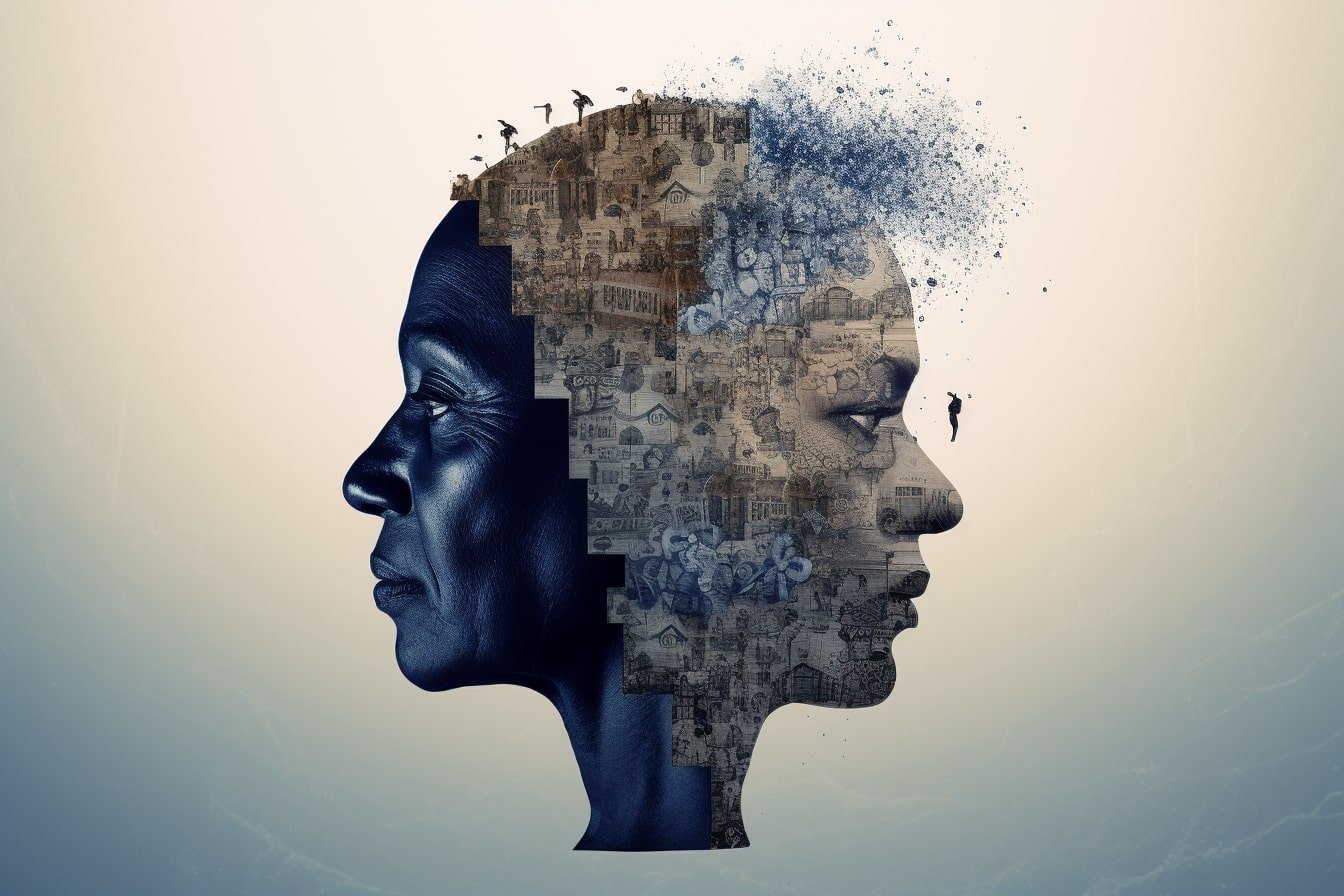
Post-cognition refers to the mental state or process that occurs after a person has cognized or perceived something. It is the aftermath of cognition, where an individual reflects on their experiences, thoughts, and emotions in relation to the information they have processed. Post-cognition is a complex and multifaceted concept that has been studied in various fields, including psychology, neuroscience, and philosophy.
One of the key aspects of post-cognition is the integration of new information into an individual’s existing knowledge base. This process is known as consolidation, where the brain processes and reinforces the new information, making it easier to retrieve and recall in the future. Post-cognition also involves the formation of new connections between different pieces of information, allowing for a deeper understanding and integration of the new knowledge.
Another important aspect of post-cognition is the emotional processing of new information. Emotions play a crucial role in how we perceive and respond to information, and post-cognition involves the regulation and management of these emotions. For example, after experiencing a traumatic event, an individual may experience a range of emotions, including fear, anxiety, and sadness. Post-cognition would involve processing and integrating these emotions, leading to a greater understanding of oneself and one’s experiences.
Post-cognition also involves the re-evaluation and reinterpretation of previously held beliefs and attitudes. This process can be triggered by new information or experiences that challenge an individual’s existing worldview. Post-cognition involves re-examining one’s assumptions and biases, leading to a greater understanding of oneself and the world around them.
In addition to these cognitive and emotional processes, post-cognition also involves social factors. Social interactions and relationships can influence how we process and respond to new information, with social support networks playing a crucial role in shaping our perceptions and attitudes.
Post-cognition has implications for various aspects of human life, including education, mental health, and personal growth. In education, post-cognition can facilitate deeper learning and retention by allowing individuals to reflect on their experiences and integrate new information into their existing knowledge base. In mental health, post-cognition can play a crucial role in recovery from trauma or mental health disorders by helping individuals process their emotions and re-evaluate their beliefs and attitudes.
In personal growth, post-cognition can facilitate self-awareness and self-reflection, allowing individuals to gain a deeper understanding of themselves and their place in the world. This can lead to greater empathy, compassion, and wisdom.
In conclusion, post-cognition is a complex and multifaceted concept that involves the processing and integration of new information into our existing knowledge base, emotional processing, re-evaluation of previously held beliefs and attitudes, and social factors. It plays a crucial role in various aspects of human life, including education, mental health, and personal growth. By understanding post-cognition, we can better appreciate the complexities of human thought and behavior.




 Love
Love Astrologer
 Dreams
 Life Coach
 Medium
 Numerologist
 Palm Reader
 Paranormal
 Past Life
 Tarot Reader