
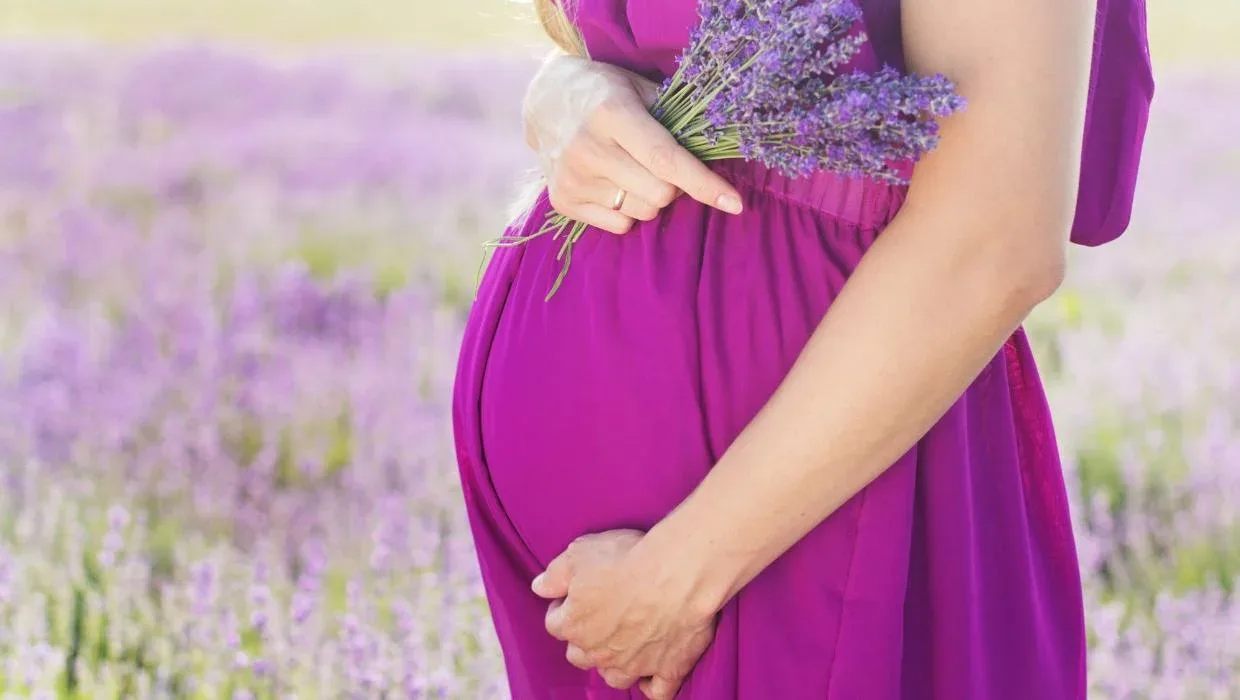
Pregnancy has always been surrounded by mystery. For thousands of years, people searched for signs that could predict a baby’s future, protect a mother from harm, or explain the incredible journey of creating new life. These traditions became the colorful superstitions that still circulate today.
Whether you believe them or simply enjoy them as fun folklore, pregnancy superstitions offer a fascinating glimpse into history.
Carrying High or Low Predicts the Baby’s Sex
Perhaps the most famous pregnancy myth claims that the way someone carries their baby reveals whether it’s a boy or a girl.
- Carrying high means it’s a girl.
- Carrying low means it’s a boy.
In reality, a baby’s position depends on muscle tone, body shape, and the baby’s movement not biological sex. Still, families continue making playful guesses based on the bump.
Heartburn Means a Hairy Baby
One old saying suggests severe heartburn during pregnancy means the baby will have lots of hair. Interestingly, this is one superstition with a tiny grain of scientific support. Some research has found a possible connection between pregnancy hormones that cause heartburn and fetal hair growth. It’s certainly not a guarantee, but it’s one old wives’ tale that isn’t entirely without evidence.
Cravings Reveal the Baby’s Personality
Many cultures believe cravings are messages from the baby. Sweet cravings might mean a gentle child. Spicy foods could predict a fiery personality. Sour foods may indicate someone adventurous. Science says cravings are influenced by hormones, nutritional needs, and changes in taste, but it’s still fun to imagine your unborn baby placing a food order.
Never Refuse a Pregnant Woman’s Cravings
In several cultures, refusing a pregnant person’s craving is believed to bring bad luck or even leave a birthmark on the baby. Historically, this belief encouraged communities to care for expectant mothers and ensure they had enough to eat a surprisingly practical lesson wrapped inside superstition.
Don’t Buy Baby Items Too Early
Many families avoid purchasing cribs, clothing, or decorating the nursery until late in pregnancy. For some, it’s simply tradition. For others, it’s a way of avoiding bad luck or “tempting fate.” Even today, some parents choose to wait not because they truly believe the superstition, but because it feels emotionally comforting.
Avoid Eclipses
In parts of Latin America and Asia, pregnant women are traditionally advised not to watch solar or lunar eclipses. Some legends claim an eclipse could cause birth defects such as a cleft lip. There is no scientific evidence supporting this belief, but the tradition has survived for generations.
Knitting Can Wrap the Umbilical Cord
Another old myth warns pregnant women not to knit or crochet because the repetitive motion could supposedly cause the umbilical cord to wrap around the baby’s neck. Medical experts know umbilical cord positioning depends entirely on the baby’s movement in the womb not hobbies. Fortunately, knitters can keep creating tiny baby blankets without worry.
Full Moon Babies
Many people believe more babies are born during a full moon. Hospitals often hear this claim, especially from nurses and delivery staff who remember busy nights under a bright moon. However, large scientific studies have generally found no meaningful increase in births during full moons. Still, it’s a beautiful idea that has become part of pregnancy folklore.
Shape of the Belly Predicts Personality
Some traditions go beyond predicting gender. A round belly may symbolize a calm, easygoing child. A pointed belly could mean an energetic or stubborn little one. While there’s no evidence behind these predictions, they often become playful conversations among family members.
Wearing Certain Charms for Protection
Throughout history, expectant mothers wore protective charms to ward off negative energy.
These included:
- Blue beads to protect against the evil eye.
- Crystals believed to encourage peaceful pregnancies.
- Religious medals and blessed jewelry.
- Protective herbs carried in small pouches.
Even today, many parents wear meaningful keepsakes simply because they provide comfort and emotional reassurance.
Cutting Hair During Pregnancy
Some traditions advise against cutting a pregnant woman’s hair because it supposedly shortens her life force or weakens her baby. Others believe cutting hair before birth invites misfortune. Science says haircuts are perfectly safe during pregnancy, but the belief remains part of many cultural traditions.
Dreams Predict the Baby
Pregnancy dreams have inspired countless superstitions. Dreaming about water may symbolize an easy birth. Dreaming of snakes might predict a boy in some cultures. Dreaming of flowers could suggest a girl. Many expectant parents enjoy interpreting these vivid dreams, even if they’re simply a result of changing hormones and sleep patterns.
Why Pregnancy Superstitions Endure
Pregnancy is exciting but it also brings uncertainty. Long before modern medicine, superstitions helped families feel more prepared for the unknown. They offered explanations when answers were scarce and gave loved ones comforting rituals during an emotional time.
Today, these beliefs are often shared with a smile. Grandparents pass them down, friends make playful predictions, and baby showers become filled with guessing games based on old folklore.
Whether you’re comparing cravings, checking your bump, or laughing about heartburn predicting a future head of curls, pregnancy superstitions remind us that welcoming new life has always inspired imagination.
The next time someone confidently predicts your baby’s future because of the way you’re carrying, remember they’re participating in a tradition that has traveled across generations. Even if science doesn’t support the myth, these stories continue to celebrate one of life’s most extraordinary journeys with a little extra magic and wonder.


 Love
Love Astrologer
 Dreams
 Life Coach
 Medium
 Numerologist
 Palm Reader
 Paranormal
 Past Life
 Tarot Reader