
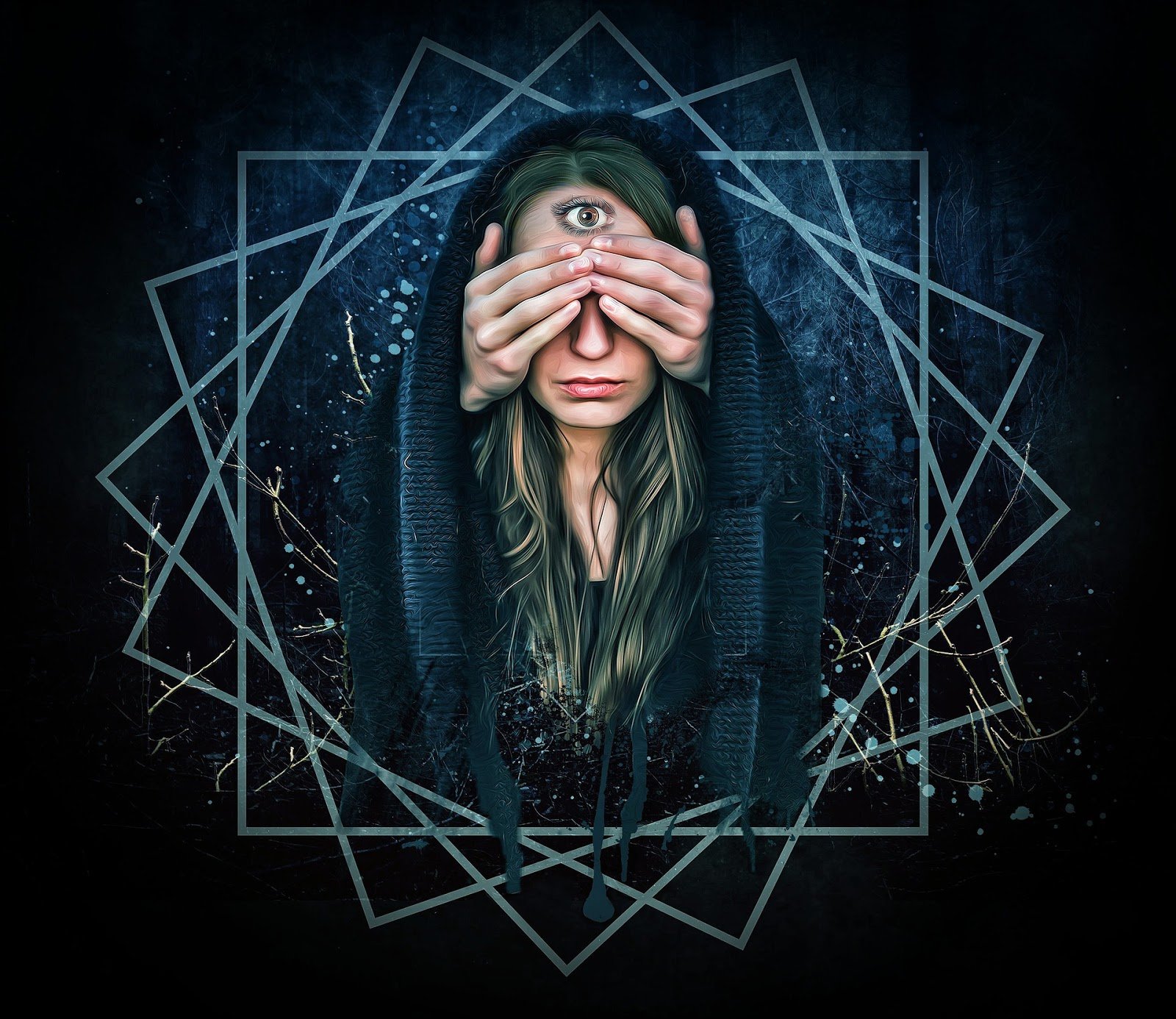
Psychic and magical thinking are phenomena deeply rooted in human history, reflecting our innate desire to understand and influence the world around us beyond empirical evidence. These forms of thinking encompass beliefs in supernatural powers, clairvoyance, telepathy, and other phenomena that defy scientific explanation. While often dismissed as superstition or irrationality, they reveal much about human cognition, cultural practices, and the psychological needs that underpin such beliefs.
Defining Psychic and Magical Thinking
Psychic thinking refers to beliefs that certain individuals possess special mental abilities—such as telepathy, precognition, or psychokinesis—that allow them to access information beyond the normal senses or influence events through mental power. Magical thinking, on the other hand, involves the attribution of causal relationships between actions and events that are not logically or scientifically connected. For example, believing that wearing a specific charm will bring good luck or that a ritual can influence outcomes reflects magical thinking.
Historical and Cultural Perspectives
Throughout history, cultures worldwide have embraced beliefs in spirits, gods, and supernatural forces. These beliefs often served social, moral, or explanatory purposes. For instance, ancient shamans claimed to communicate with spirits to heal the sick or predict future events, embodying psychic abilities. Many religious rituals incorporate elements of magical thinking, where symbolic actions are believed to bring about real-world changes.
Psychological Underpinnings
From a psychological standpoint, psychic and magical thinking can fulfill several human needs:
- Control and Predictability: In uncertain or stressful situations, believing in supernatural influences can provide a sense of control and reduce anxiety.
- Cognitive Biases: Humans are prone to biases such as the illusion of control, where individuals overestimate their ability to influence events, and apophenia, perceiving meaningful patterns in random data.
- Pattern Recognition: Our brains are wired to seek patterns; in ambiguous situations, this can lead to superstitions or beliefs in luck and divine intervention.
Scientific Perspective and Criticism
Science generally regards psychic phenomena and magical beliefs as lacking empirical support. Numerous studies attempting to verify extrasensory perception (ESP) or psychokinesis have failed to produce reproducible results. Skeptics argue that such beliefs are cognitive illusions or result from biases, coincidences, and cultural influences.
The Role of Belief and Cultural Context
Despite scientific skepticism, psychic and magical thinking remain prevalent, often intertwined with cultural and religious practices. They can serve social functions, reinforce community bonds, and provide comfort in times of crisis. For some, these beliefs are a source of hope and meaning.
Psychic and magical thinking exemplify the complex ways humans interpret their experiences and seek understanding beyond the limits of current scientific knowledge. While these beliefs are often challenged by empirical evidence, they persist due to psychological, cultural, and existential factors. Recognizing their roots and functions helps us appreciate their significance in human life, as well as the importance of critical thinking and scientific literacy in navigating a world filled with diverse beliefs.




 Love
Love Astrologer
 Dreams
 Life Coach
 Medium
 Numerologist
 Palm Reader
 Paranormal
 Past Life
 Tarot Reader