
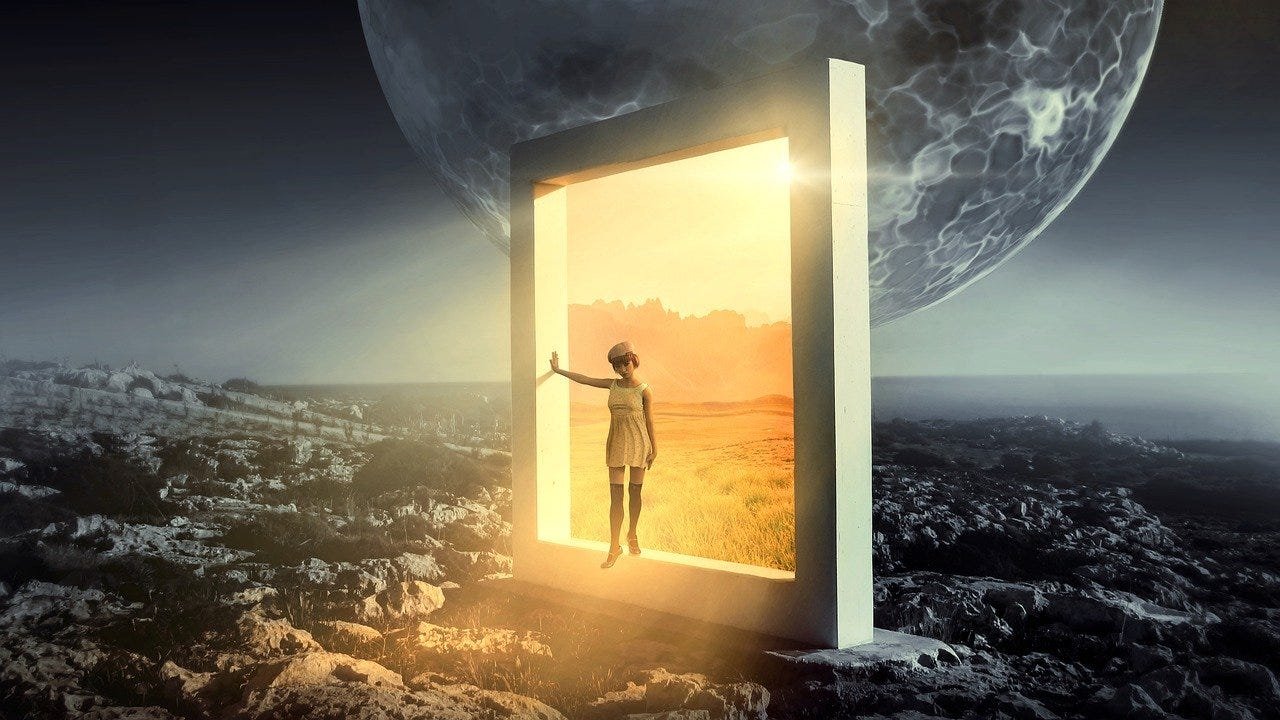
Dreams have long been regarded as gateways between the conscious and unconscious mind. Across cultures and spiritual traditions, dreams have been viewed as messages, warnings, or reflections of deeper awareness. Psychic dreams, in particular, stand apart from ordinary dreaming because they feel vivid, emotionally charged, and meaningful long after waking. While not every dream is psychic in nature, certain dreams carry an intuitive quality that suggests information is being received rather than imagined.
Psychic dreams often differ from regular dreams in clarity and impact. They tend to feel more real, structured, or symbolic, and are frequently remembered in detail. Unlike fragmented or chaotic dreams, psychic dreams may unfold with a sense of purpose, as if the dream itself is communicating something specific. The emotional tone of these dreams is usually calm, serious, or deeply resonant rather than random or absurd.
One common type of psychic dream is the premonitory dream, which appears to offer insight into future events. These dreams may not predict exact outcomes, but they often capture emotional truths or energetic shifts before they occur in waking life. For example, dreaming of separation, storms, or obstacles may reflect an approaching change or challenge rather than a literal event. The meaning lies in the symbolism rather than the surface imagery.
Another form of psychic dreaming involves visitation or connection dreams. These dreams may feature deceased loved ones or individuals with whom the dreamer shares a strong emotional bond. Such dreams often feel unusually vivid and comforting, with clear communication or a sense of presence that lingers after waking. Unlike memory-based dreams, these experiences tend to feel intentional rather than nostalgic.
Symbolic psychic dreams are among the most common. In these dreams, the subconscious and intuitive mind communicate through metaphor. Water often represents emotion or intuition, doors symbolize opportunities or transitions, and animals may reflect instincts or personal traits. The symbolism in psychic dreams is deeply personal, shaped by the dreamer’s experiences and emotional landscape. Meaning is best understood by focusing on how the dream felt rather than applying universal interpretations.
Psychic dreams can also serve as warnings or guidance. These dreams may evoke a strong sense of urgency or clarity, encouraging the dreamer to pay attention to a specific situation or relationship. While fear-based dreams are often rooted in anxiety, true warning dreams tend to feel calm yet firm, offering awareness rather than panic.
Emotional tone plays a crucial role in understanding psychic dreams. Dreams that leave a lasting impression, evoke strong emotion, or repeat over time are more likely to carry intuitive significance. Repetition, in particular, suggests that a message has not yet been fully acknowledged or integrated.
Psychic dreaming often becomes more frequent during periods of heightened awareness or transition. Stress, spiritual growth, illness, grief, or major life changes can open intuitive channels by shifting focus inward. During these times, the mind becomes more receptive to subtle information that may otherwise be ignored during waking hours.
It is important to distinguish psychic dreams from ordinary dreams influenced by daily events. Psychic dreams typically feel distinct, purposeful, and emotionally grounded. They do not require immediate interpretation or action, but rather reflection and awareness. Rushing to assign meaning can obscure the message.
Psychic dreams are not meant to predict every outcome or control the future. Their purpose is insight, awareness, and alignment. By paying attention to emotional tone, symbolism, and recurring themes, individuals can learn to recognize when a dream carries intuitive significance. Over time, understanding psychic dreams becomes less about decoding symbols and more about trusting the quiet intelligence of the dreaming mind.




 Love
Love Astrologer
 Dreams
 Life Coach
 Medium
 Numerologist
 Palm Reader
 Paranormal
 Past Life
 Tarot Reader