
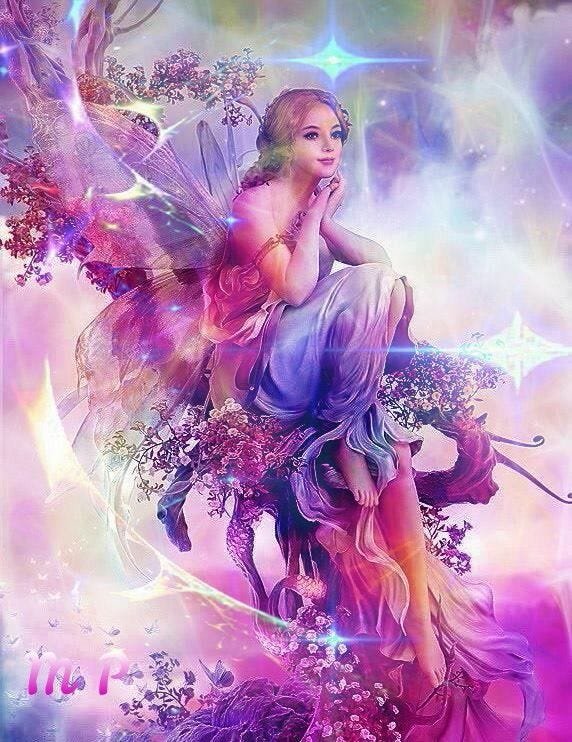
There has always been something strangely powerful about fairies. Not the glitter-covered cartoon versions with perfect wings and cheerful smiles, but the older kind the mysterious beings whispered about in folklore, hidden deep in forests, dancing through moonlit fields, appearing in dreams, signs, and psychic experiences. Across cultures and centuries, fairies were rarely seen as childish fantasy. They were viewed as spiritual forces connected to intuition, nature, magic, and the unseen world.
For many psychics and spiritual believers, fairies are not simply mythical creatures. They are energetic beings tiny guardians of nature and emotion that exist just beyond ordinary human perception. Some describe them as spirit guides tied to the earth. Others believe they are ancient elemental intelligences capable of influencing luck, emotions, creativity, and even psychic sensitivity itself.
The strange thing is that stories about fairies appear almost everywhere in human history. Ireland spoke of the Good People, mysterious beings who lived in hills and forests. Scandinavian folklore warned travelers not to anger hidden nature spirits. Celtic traditions described fairy rings where the veil between worlds became dangerously thin. Even today, people report strange experiences in isolated woods or gardens hearing whispers, seeing flashes of light, feeling watched by something playful but intelligent.
Psychically speaking, fairies are often associated with heightened sensitivity. Many people claim that encounters with fairy energy happen during emotionally charged moments or spiritual awakenings. A person may suddenly feel deeply connected to nature, notice repeating signs, or experience vivid dreams involving forests, glowing beings, flowers, or hidden pathways. Psychics sometimes interpret these experiences as contact with elemental energies trying to awaken intuition.
Unlike angels, which are usually associated with protection and divine order, fairy energy is often described as unpredictable. Fairies in spiritual traditions are playful, emotional, mischievous, and deeply tied to natural balance. They are not always “good” in the human sense. Old folklore constantly warned people to respect them. Offerings of milk, honey, herbs, flowers, or shiny objects were traditionally left outside to maintain harmony with fairy spirits. To insult or mock them was believed to invite bad luck, confusion, or energetic disturbances.
That dual nature is part of what makes psychic fairies so fascinating. They symbolize the wildness of spiritual energy itself beautiful but untamed. Many psychics believe fairies are attracted to people who are emotionally open, creative, empathic, or spiritually curious. Artists, children, mediums, and highly intuitive people are often said to be more sensitive to fairy energy because their minds remain more open to imagination and unseen possibility.
Fairy sightings themselves are usually subtle rather than dramatic. In psychic communities, people describe sudden sparkles of light in the corner of their vision, unexplained movement in plants, strange laughter with no visible source, or an overwhelming feeling of enchantment in certain natural locations. Some believe fairies communicate through synchronicities repeated symbols, feathers, unusual animal behavior, or sudden emotional shifts while outdoors.
Gardens are commonly believed to attract fairy energy. Certain plants like lavender, roses, thyme, moss, ivy, and wildflowers are thought to create spiritually inviting environments. Fairy folklore often revolves around liminal spaces places between worlds such as forests at dusk, fog-covered fields, old stone circles, rivers, or hidden clearings. Psychically, these locations are believed to hold thinner energetic boundaries where intuition becomes stronger and spiritual experiences become easier to access.
There is also a strong connection between fairies and human emotion. In many mystical traditions, fairies feed on emotional energy, especially joy, wonder, creativity, romance, and curiosity. This may explain why fairy encounters are often described during childhood, periods of transformation, or moments when someone reconnects with imagination after years of emotional numbness. Fairies symbolize the forgotten magical side of human consciousness the side modern life constantly tries to suppress.
Psychics who work with fairy energy often recommend grounding before attempting contact. Because fairy energy is described as emotionally stimulating and chaotic, some people believe excessive obsession with fairies can lead to escapism or emotional imbalance. In folklore, humans who became too enchanted by the fairy realm sometimes lost touch with reality, wandered endlessly, or became consumed by illusion. Symbolically, this represents the danger of becoming lost in fantasy without maintaining spiritual balance.
Still, the enduring obsession with fairies says something profound about human nature. Deep down, people want to believe the world is more alive than it appears. They want mystery hidden in forests, magic in flowers, spirits in the wind, and invisible beings watching from the corners of reality. Psychic fairies represent that longing perfectly. They are reminders that intuition is not always logical, that wonder itself can feel spiritual, and that nature may contain energies humanity has never fully understood.
Whether fairies are literal beings, symbolic archetypes, or manifestations of psychic imagination, they continue to captivate the spiritual world because they embody enchantment itself. They represent the possibility that magic was never truly lost only forgotten by people too distracted to notice it anymore.



 Love
Love Astrologer
 Dreams
 Life Coach
 Medium
 Numerologist
 Palm Reader
 Paranormal
 Past Life
 Tarot Reader