

In the expanding world of spiritual and metaphysical practices, psychic witchery has gained attention as a path that merges the intuitive realm of psychic abilities with the earth-based wisdom of witchcraft. Often misunderstood or dismissed, psychic witchery is less about fantasy and more about developing a deeper connection to one’s inner senses, energy fields, and the natural rhythms of life. For those approaching this topic with curiosity rather than conviction, understanding its foundations offers a fascinating look at how intuition, intention, and ancient traditions intersect.
What Is Psychic Witchery?
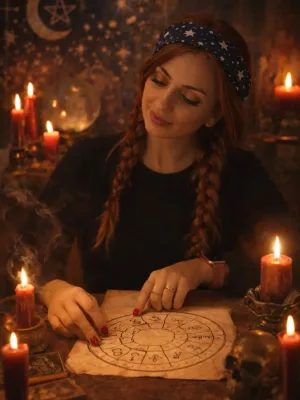
Psychic witchery is the practice of combining psychic development such as clairvoyance, intuition, or energy reading with witchcraft techniques like spellwork, divination, meditation, and ritual. A psychic witch might use tarot cards, pendulums, or spirit communication not just to predict outcomes, but to gain insight, guidance, and empowerment. Rather than relying solely on formal religion or external rules, psychic witchery encourages personal experience and inner knowing.
Core Beliefs and Tools
At the heart of psychic witchery is the belief that everyone has latent psychic abilities. Through practice, these abilities can be awakened and honed just like a muscle. Psychic witches often engage in meditation, energy work (such as working with chakras or auras), and rituals aligned with lunar cycles or the elements (earth, air, fire, water, spirit). Tools may include:
- Tarot and oracle cards for insight
- Crystals for energetic alignment
- Herbs, candles, and symbols used in spells or intention-setting
- Visualization and trance states for psychic vision or astral travel
These tools aren’t inherently magical; their power lies in focused intent and the practitioner’s relationship to them.
Psychic Witchery as a Personal Path
Unlike organized religion or dogmatic systems, psychic witchery is often self-directed. It encourages personal responsibility, spiritual experimentation, and intuitive exploration. A psychic witch may not follow a single tradition but might blend elements of Wicca, animism, energy healing, and divination. The emphasis is on inner truth, connection to natural cycles, and co-creating one’s reality through intention and awareness.
Skepticism and the Psychological Angle
Skeptics may argue that psychic phenomena lack scientific backing, and that witchcraft is based on superstition. While it’s true that psychic claims are hard to measure with traditional methods, the psychological benefits of these practices are increasingly recognized. Practices such as meditation, ritual, and visualization have been shown to reduce stress, increase mindfulness, and strengthen self-awareness. Even if one does not believe in literal energy or spirit communication, psychic witchery can serve as a symbolic language for processing emotions, healing, and personal growth.
A Growing Movement in Modern Times
Today, psychic witchery has found new life among younger generations and spiritual seekers who are disillusioned with rigid institutions. Social media, online communities, and books like Psychic Witch by Mat Auryn have brought these ideas into the mainstream. For many, this path offers empowerment, inclusivity, and healing especially for those who feel disconnected from dominant religious or cultural norms.
Psychic witchery may not appeal to everyone but for the curious, it offers a unique blend of intuition, ritual, and self-exploration. Whether viewed as a mystical path, a psychological toolset, or a form of personal empowerment, it encourages people to look within, listen to their intuition, and align with forces greater than themselves. At its core, psychic witchery is about becoming more conscious of one’s thoughts, energy, and the invisible threads that connect us to the world around us.


 Love
Love Astrologer
 Dreams
 Life Coach
 Medium
 Numerologist
 Palm Reader
 Paranormal
 Past Life
 Tarot Reader