
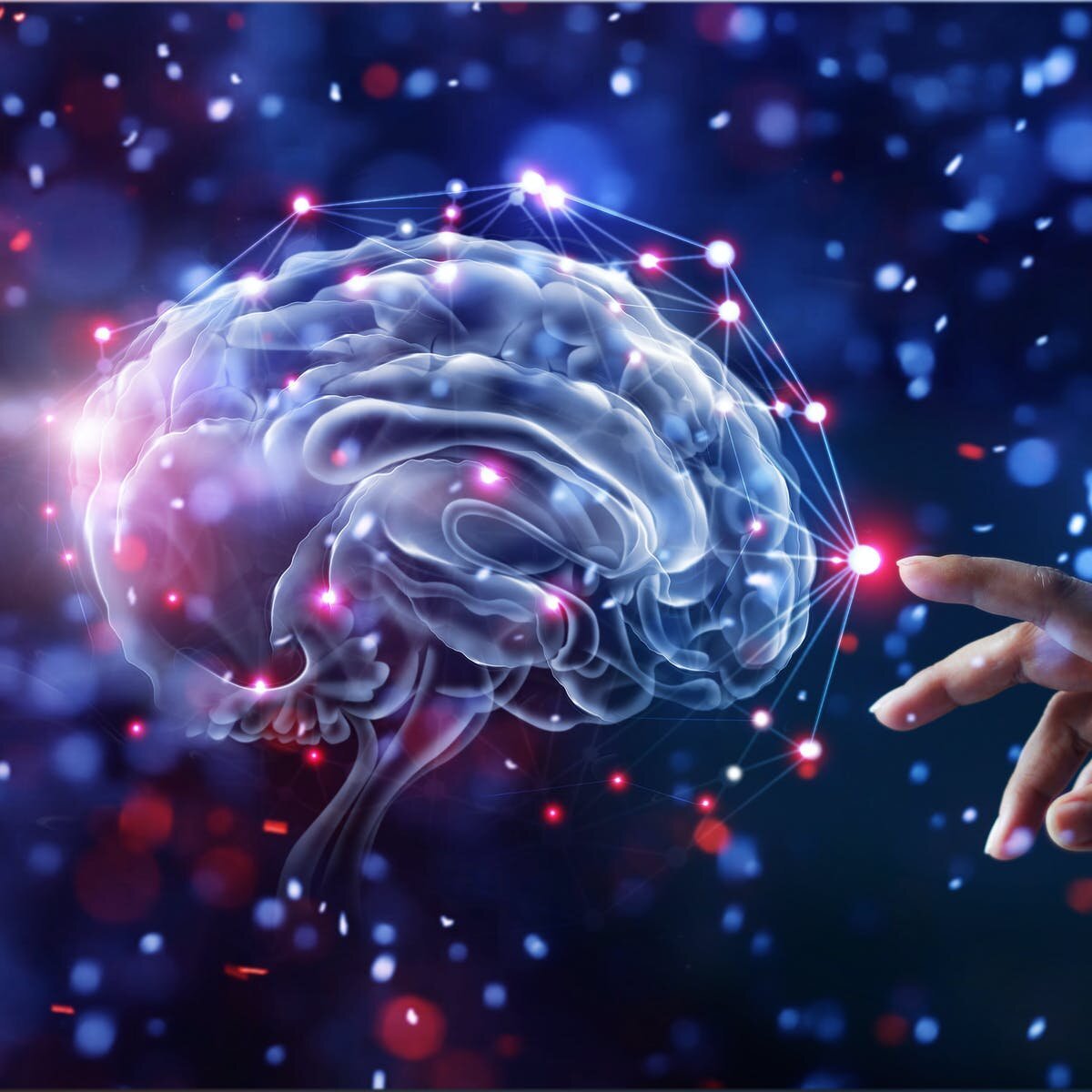
Throughout history, humans have been fascinated by the mysteries of the mind and the possibilities of gaining insight into our inner worlds. Among the many approaches to understanding oneself, psychic phenomena have often been portrayed as extraordinary and mystical methods that offer a unique perspective. While mainstream science remains skeptical of such claims, the allure of psychic abilities reflects a deep desire to explore the depths of consciousness and unlock hidden potentials. In this essay, we delve into how psychics are seen as fantastic ways of understanding the mind, exploring both their cultural significance and the human fascination with the unseen.
The Fascination with the Mind and the Unknown
The human mind is a complex and mysterious entity, capable of incredible creativity, emotion, and thought. Despite advances in neuroscience, many aspects of consciousness remain elusive. This mystery has given rise to various methods—both scientific and mystical—that aim to probe the depths of mental processes. Psychic phenomena, such as clairvoyance, telepathy, and precognition, are often viewed as extraordinary tools that can reveal insights beyond conventional understanding.
Psychics as Guides to the Inner Self
Many people turn to psychics seeking clarity, guidance, or validation about their lives. The idea is that psychics can tap into unseen energies or access information stored in the collective unconscious—a concept popularized by Carl Jung. In this view, psychics serve as mirrors reflecting aspects of the mind that are normally hidden or inaccessible. They can help individuals explore subconscious fears, desires, or unresolved issues by providing a different perspective that feels both mystical and insightful.
Fantastic Ways of Exploring Consciousness
Psychic practices often involve techniques such as meditation, intuition, or trance states, which are believed to open portals to deeper levels of consciousness. These methods can be seen as fantastic ways of understanding one’s mind because they encourage introspection and self-awareness beyond ordinary thought. For example, guided meditations or intuitive readings can facilitate a heightened awareness of emotions, patterns, and beliefs, offering a form of self-discovery that feels magical and profound.
Cultural and Artistic Inspiration
The idea of psychic insight has also inspired countless works of art, literature, and popular culture. From mystical tarot cards to psychic detectives in novels and films, these representations celebrate the mind’s potential to access hidden knowledge. Such stories fuel the belief that the mind is a vast, untapped reservoir of wisdom, accessible through extraordinary means.
Skepticism and Critical Perspectives
While the notion of psychics as fantastic explorers of the mind is captivating, scientific investigation has yet to produce conclusive evidence supporting paranormal abilities. Critics argue that many psychic claims can be explained by cognitive biases, cold reading techniques, or coincidence. Nonetheless, the appeal of these methods lies in their ability to evoke wonder, curiosity, and a sense of connection with something greater than ourselves.
Psychics represent a fascinating and imaginative way of understanding the human mind—an approach that blends mystery, spirituality, and the desire for self-discovery. Whether viewed as literal truth or symbolic tools, they embody our innate curiosity about the unseen aspects of consciousness. In exploring psychic phenomena, we tap into a fantastic realm of possibilities, reminding us that the mind’s depths are as vast and mysterious as the universe itself.



 Love
Love Astrologer
 Dreams
 Life Coach
 Medium
 Numerologist
 Palm Reader
 Paranormal
 Past Life
 Tarot Reader