
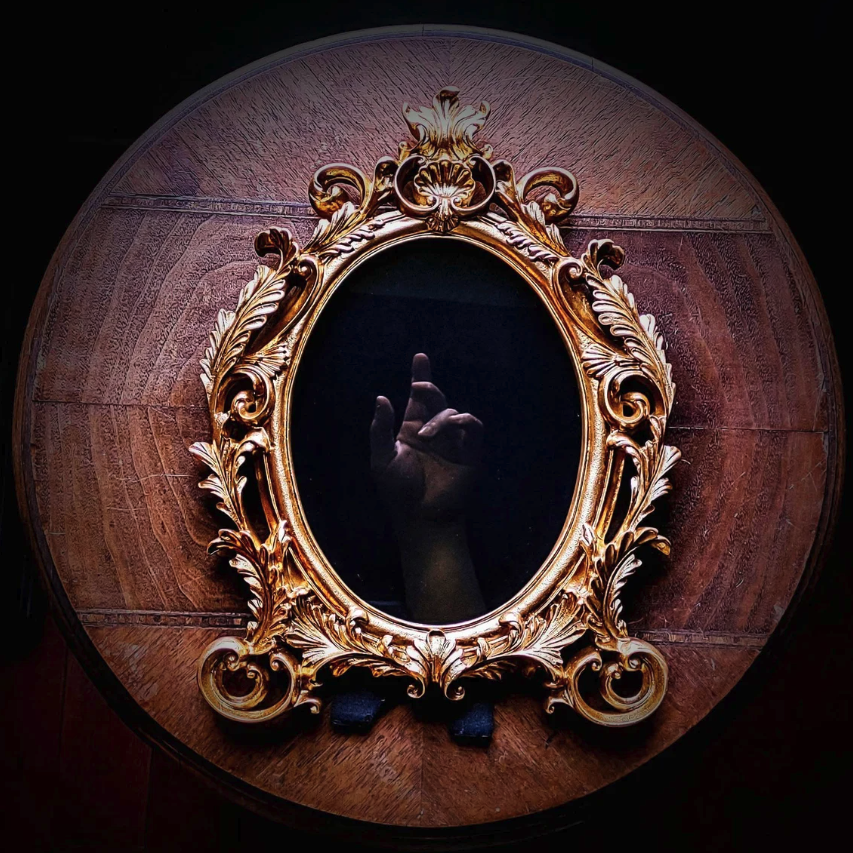
Scrying, a practice that dates back thousands of years, is a form of divination that involves perceiving images, symbols, or visions in reflective surfaces. While often associated with mystical arts and occult traditions, scrying has deep roots in various cultures and serves as an intriguing intersection of spirituality, psychology, and art. This essay explores the historical context of scrying, the techniques involved, and its significance in modern practices.
Historical Context
The origins of scrying can be traced to ancient civilizations. The earliest forms of this practice emerged in the ancient Egyptian and Mesopotamian cultures, where diviners used polished stones, mirrors, or water surfaces to obtain insights. The term “scrying” itself is derived from the English word “descry,” meaning to see or to observe. Throughout history, various cultures, including the Chinese, Greeks, and Romans, have employed scrying techniques for spiritual guidance and decision-making.
In medieval Europe, the practice gained popularity among alchemists and mystics. Scrying became particularly associated with the use of crystal balls, often promoting the image of the mysterious and enigmatic fortune teller. The infamous work of John Dee, an adviser to Queen Elizabeth I, further cemented scrying’s association with the occult, as he utilized a crystal ball and other reflective surfaces to communicate with angels.
Scrying Techniques
The techniques of scrying can vary widely depending on the materials and methods employed. Common tools include:
- Crystal Balls: Perhaps the most recognizable tool, crystal balls are typically made of quartz or glass. Practitioners gaze into the sphere, allowing images or visions to materialize.
- Mirrors: Black mirrors, often made from polished obsidian or black glass, are used for introspection and receiving images. The dark surface aids in eliminating distractions.
- Water: Scrying in water involves using a shallow bowl or calm body of water. Practitioners focus on the reflections and ripples to glean insights.
- Smoke: The use of incense or other materials that produce smoke can also serve as a medium for scrying. The wisps and shapes formed in the smoke may convey messages or symbols.
Regardless of the method used, the process typically involves a state of relaxed focus, often accompanied by deep breathing or meditation. The goal is to quiet the mind, allowing intuition to take precedence over rational thought.
Psychological and Spiritual Significance
While scrying is often regarded as a tool for gaining foresight or insight, its psychological dimensions are equally significant. Many practitioners report that scrying can facilitate a deeper understanding of oneself, acting as a mirror to the subconscious mind. The images or visions that arise during the practice can reveal hidden fears, desires, and conflicts, providing a pathway for personal growth.
From a spiritual perspective, scrying is associated with openness to the universe’s mysteries. Many regard it as a way to tap into higher states of consciousness or divine guidance. The practice encourages individuals to trust their intuition and foster a deeper connection to their spiritual beliefs.
Modern Interpretations and Practices
In contemporary society, scrying has seen a resurgence as part of the broader interest in spirituality and alternative practices. Online communities, social media platforms, and self-help literature have introduced scrying to a new generation, often blending it with other esoteric practices like tarot reading or astrology.
Moreover, the psychological aspects of scrying have drawn attention from scholars and therapists alike, who recognize its potential for promoting self-awareness and mindfulness. Some suggest that the practice can be integrated into therapeutic settings, encouraging clients to explore their inner landscape and foster emotional healing.
Scrying remains a fascinating and complex practice that weaves together history, spirituality, and psychology. While its roots are entangled in ancient traditions and mystical beliefs, its relevance transcends time, continuing to offer insights into the human experience. Whether approached as a form of divination, a psychological tool for introspection, or a spiritual practice, scrying invites individuals to explore the depths of their own consciousness and the mysteries of the universe. As we delve into this age-old practice, we discover that the act of looking beyond the surface may hold the key to understanding ourselves and the world around us.



 Love
Love Astrologer
 Dreams
 Life Coach
 Medium
 Numerologist
 Palm Reader
 Paranormal
 Past Life
 Tarot Reader