
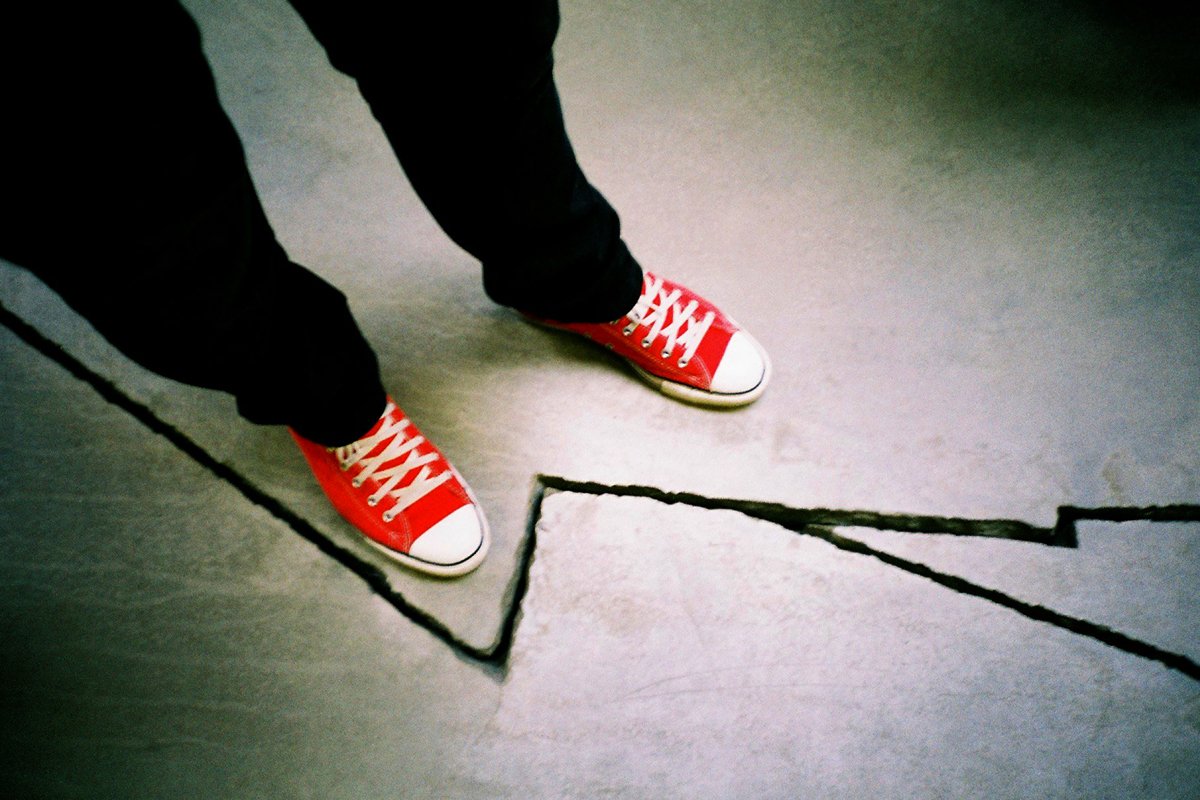
Superstitions have been a part of human culture for centuries. These beliefs, often irrational and based on folklore or tradition, have been passed down from generation to generation. One such superstition is the belief that stepping on a crack will bring bad luck. While this superstition may seem harmless and even silly to some, it has had a significant impact on the behavior and mindset of many individuals.
The origins of the “step on a crack” superstition are unclear, but it is believed to have originated in Western cultures. The superstition suggests that stepping on a crack will cause harm to one’s mother. This belief may have stemmed from the idea that cracks in the ground represent a broken path or a disruption in the natural order of things. By avoiding stepping on cracks, individuals hope to protect their mothers from any potential harm.
Although the superstition may seem harmless, it can have a profound effect on people’s behavior. Many individuals find themselves consciously or subconsciously altering their walking patterns to avoid stepping on cracks. This can lead to a sense of anxiety or unease when navigating sidewalks or other paved surfaces. Some individuals may even go to great lengths to avoid cracks, such as walking in an awkward manner or taking longer routes to avoid them altogether.
The step on a crack superstition can also have psychological implications. Believing in this superstition can create a sense of guilt or fear if one accidentally steps on a crack. Individuals may worry that they have brought bad luck upon themselves or their loved ones. This can lead to a cycle of negative thinking and anxiety, as individuals constantly second-guess their actions and worry about the consequences.
Furthermore, the step on a crack superstition can perpetuate a culture of irrational beliefs. When individuals adhere to superstitions without questioning their validity, it can hinder critical thinking and logical reasoning. This can have broader implications in society, as individuals may be more susceptible to other unfounded beliefs or misinformation.
However, it is important to note that not everyone believes in or adheres to this superstition. Many individuals view it as nothing more than a harmless tradition or a childhood game. They may step on cracks without any fear or concern for their well-being or that of their loved ones. For these individuals, the superstition holds no power or influence over their behavior or mindset.
In conclusion, the step on a crack superstition is a belief that has been passed down through generations. While it may seem harmless on the surface, it can have a significant impact on people’s behavior and mindset. It can lead to anxiety, guilt, and irrational thinking. However, it is important to recognize that not everyone believes in or adheres to this superstition. Ultimately, whether one chooses to step on a crack or not is a personal decision based on individual beliefs and values.




 Love
Love Astrologer
 Dreams
 Life Coach
 Medium
 Numerologist
 Palm Reader
 Paranormal
 Past Life
 Tarot Reader