
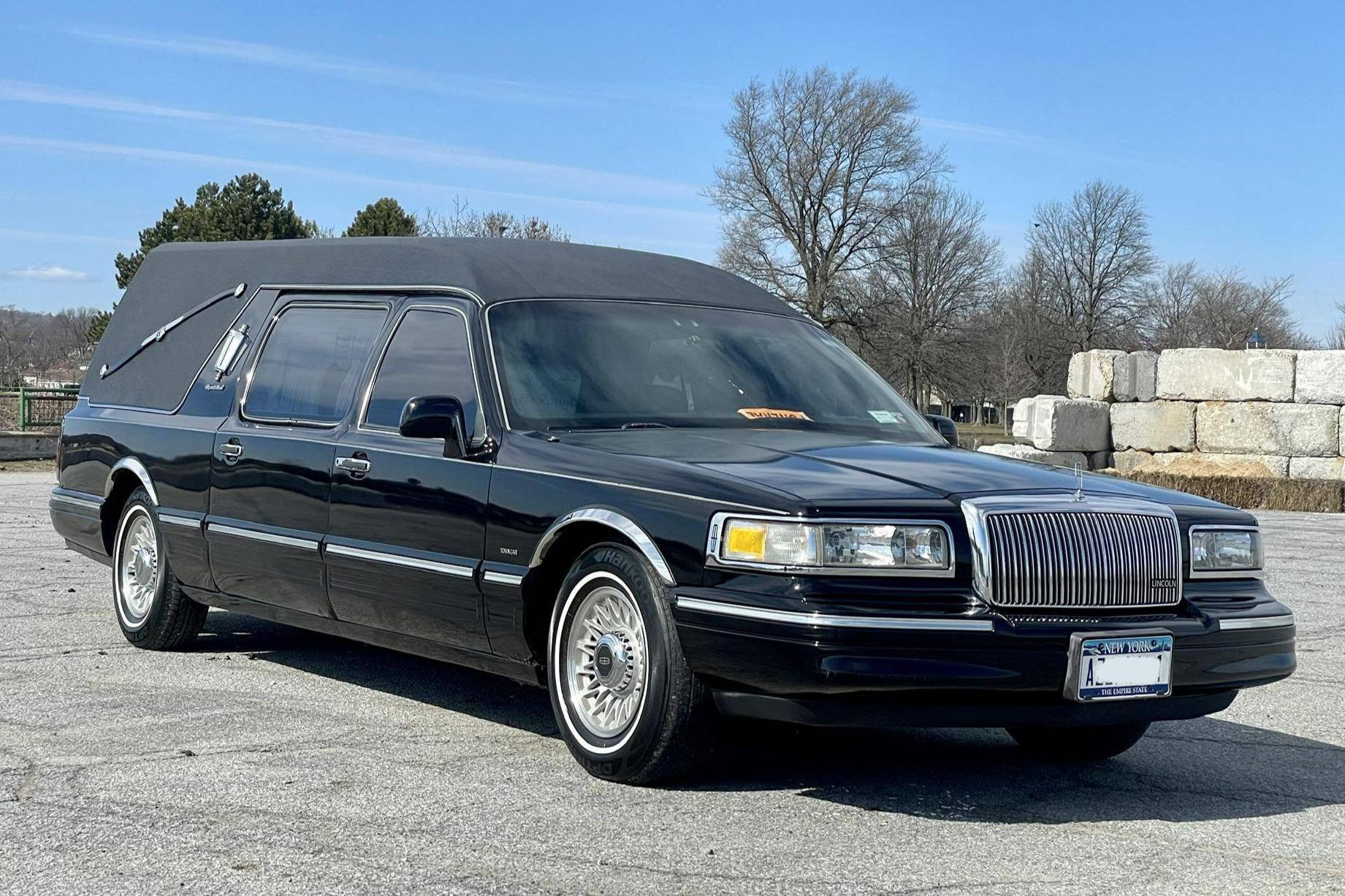
The hearse, a vehicle used to transport the deceased to their final resting place, has long been associated with superstitions and beliefs. These superstitions vary across different cultures and time periods, but they all share a common thread of fear and unease surrounding death and the afterlife. In this essay, we will explore some of the most common hearse superstitions and their origins.
One of the most well-known hearse superstitions is the belief that seeing a hearse is a bad omen. This superstition dates back to ancient times when death was seen as a mysterious and frightening event. The sight of a hearse was believed to bring death and misfortune to those who witnessed it. This belief was so strong that people would often go to great lengths to avoid crossing paths with a hearse, such as taking a different route or hiding indoors until it passed.
Another hearse superstition is the belief that following a hearse in a funeral procession brings bad luck. This superstition is rooted in the fear of death and the belief that being in close proximity to a hearse increases the chances of one’s own demise. It is also believed that following a hearse in a funeral procession disrupts the natural order of things and invites negative energy into one’s life.
In some cultures, it is believed that touching a hearse brings bad luck. This superstition is based on the idea that death is contagious and that coming into contact with a hearse can transfer this negative energy onto the person. As a result, people would avoid touching a hearse at all costs, even going as far as crossing the street or turning away when one passed by.
There are also superstitions surrounding the color of a hearse. In many Western cultures, black is the traditional color for hearses, symbolizing mourning and grief. However, some people believe that a white hearse is a sign of death and bad luck. This superstition likely stems from the association of white with purity and innocence, contrasting with the somberness of death.
While these hearse superstitions may seem irrational to some, they are deeply ingrained in the collective consciousness of many cultures. They reflect our innate fear of death and the unknown, as well as our desire to control and avoid anything associated with it. These superstitions also serve as a reminder of the power of belief and the influence it can have on our thoughts and actions.
In conclusion, hearse superstitions have been prevalent throughout history and across different cultures. They stem from our fear of death and the unknown, as well as our desire to avoid anything associated with it. Whether it is the belief that seeing a hearse is a bad omen, following a hearse brings bad luck, or touching a hearse transfers negative energy, these superstitions reflect our deep-seated fears and beliefs surrounding death. While they may seem irrational to some, they serve as a reminder of the power of belief and the influence it can have on our lives.




 Love
Love Astrologer
 Dreams
 Life Coach
 Medium
 Numerologist
 Palm Reader
 Paranormal
 Past Life
 Tarot Reader