
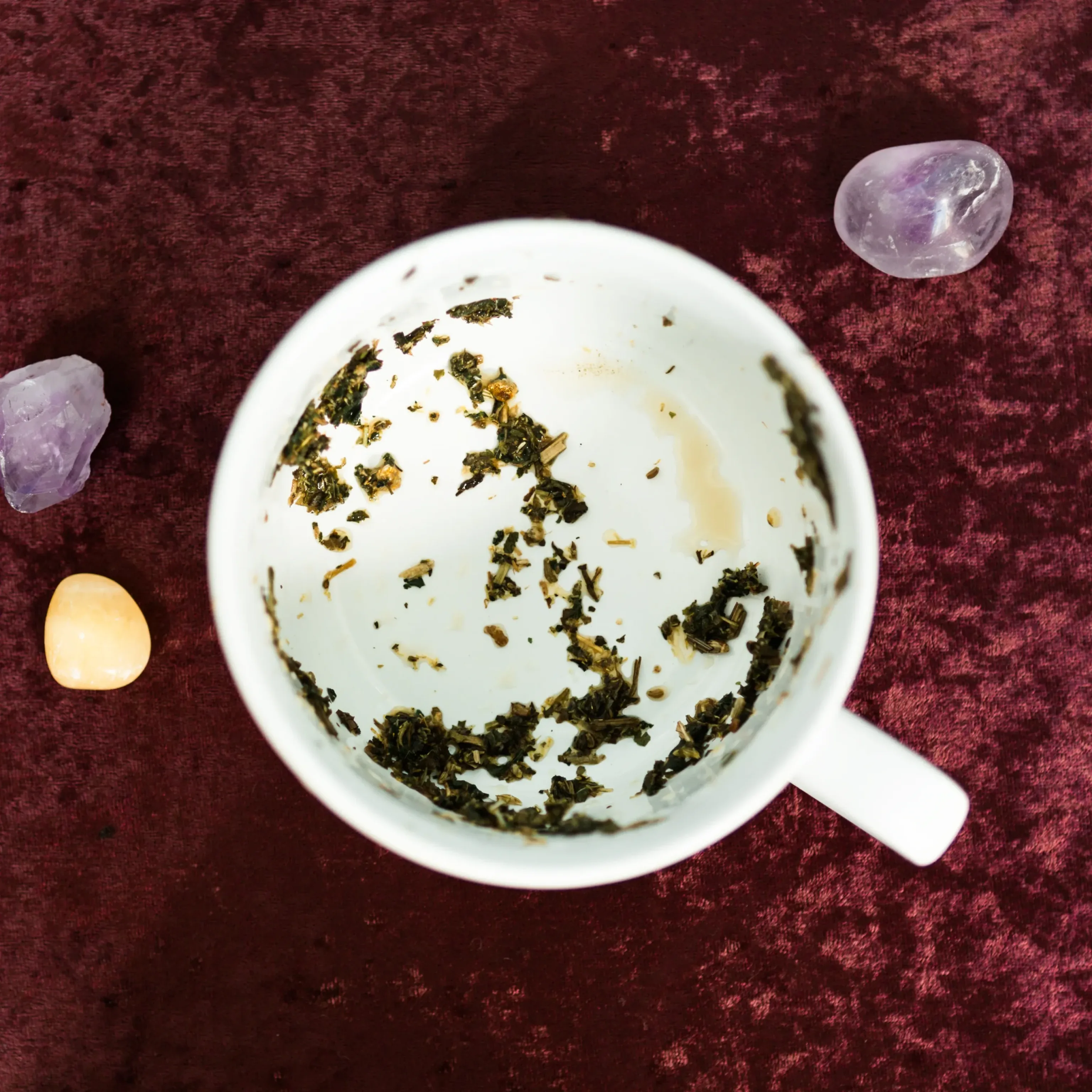
Tasseography, also known as tasseomancy, is a divination practice that involves interpreting patterns made by tea leaves in the bottom of a cup. This ancient art form has roots in various cultures, particularly in the Middle East and Europe, where it has been used for centuries as a means of gaining insight into the future and understanding one’s life circumstances. In this essay, we will explore the history of tasseography, its methods, and its cultural significance, as well as provide a critical viewpoint on its efficacy as a divination practice.
Historical Background
The origins of tasseography can be traced back to ancient practices of divination, where various mediums such as water, fire, or even the shapes formed by smoke were interpreted to gain knowledge about the future. The practice gained prominence in the 17th and 18th centuries, especially in Europe, as tea became a popular beverage. The British and French upper classes embraced the practice, incorporating it into their social gatherings. Tasseography serves as a fascinating intersection of culture, tradition, and social interaction, allowing individuals to connect over shared experiences and interpretations.
Methods of Tasseography
The process of tasseography involves several key steps:
- Preparation: The reading begins with the selection of loose tea leaves, typically black tea, which is steeped in hot water. The type of tea can affect the clarity and quality of the leaves’ patterns. After a few minutes, the leaves are allowed to settle.
- Drinking: The person who wishes to have their fortune read drinks the tea, leaving a small amount of liquid in the cup. This step is believed to focus their intentions and energy on the reading.
- Pattern Interpretation: Once the person has finished drinking, the reader examines the left-over tea leaves at the bottom of the cup. The leaves create abstract shapes and symbols that the reader interprets. Each position within the cup may hold different meanings, such as the rim representing the present and the bottom symbolizing the long-term future.
- Symbolic Interpretation: Different shapes and patterns are associated with various meanings—hearts may denote love, circles may indicate completion or cycles, and lines could represent paths or journeys. Readers must rely on intuition and a combination of established symbolism to provide insights.
Cultural Significance
In many cultures, the practice of tasseography goes beyond a simple fortune-telling exercise—it embodies a rich tradition of storytelling, communal bonding, and spiritual reflection. In societies where uncertainty and change are prevalent, such practices may offer comfort and guidance. The communal aspect of tea drinking enhances social connections, making tasseography not just an individual experience but also a shared one.
In addition, the practice illustrates how human beings seek to impose order on chaos. The interpretations of tea leaves reflect personal beliefs, experiences, and hopes, allowing individuals to confront their anxieties about the future in a meaningful and personal way.
Critical Perspective
Despite its cultural significance and popularity, tasseography faces skepticism, particularly from the scientific community. Critics argue that there is no empirical evidence supporting the efficacy of divination practices, including tasseography. In a modern context, that skepticism encourages individuals to approach such practices with a critical mindset.
Moreover, while tasseography can provide comfort and meaning, it should not be seen as a substitute for practical decision-making or psychological support. For many, it serves best as a tool for self-reflection rather than a definitive guide to the future.
Tasseography remains a fascinating and culturally rich practice that intertwines the art of storytelling with the simple act of tea drinking. Through the lens of history, we see it as a way of connecting individuals with tradition and with one another. While it may not hold up to scientific scrutiny, its value lies in the comfort, insight, and connection it provides to those seeking answers in an uncertain world. As humans continue to navigate life’s complexities, practices like tasseography remind us of our intrinsic desire to find meaning in our experiences and to share that journey with others.



 Love
Love Astrologer
 Dreams
 Life Coach
 Medium
 Numerologist
 Palm Reader
 Paranormal
 Past Life
 Tarot Reader