
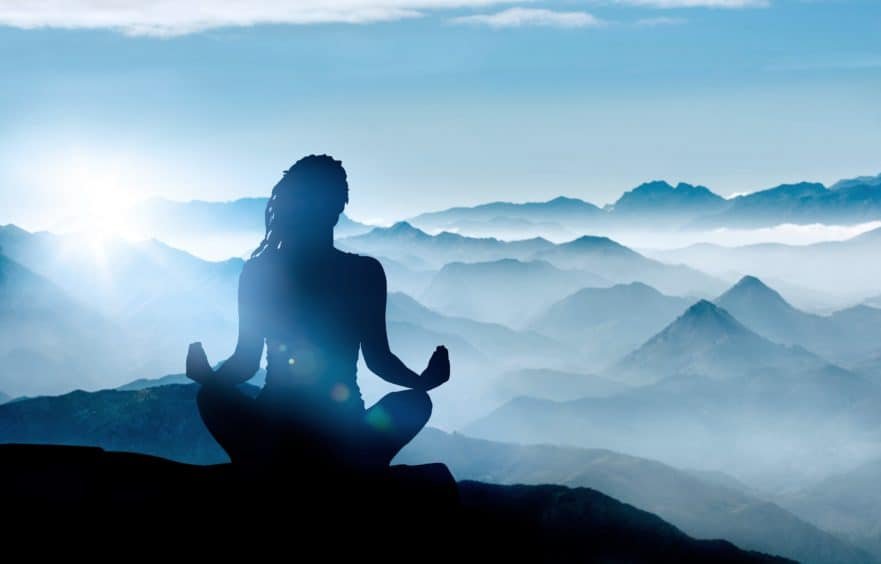
Meditation is often perceived as a pursuit reserved for spiritual seekers or those with an abundance of free time. However, in recent years, this ancient practice has gained immense popularity and recognition in various fields, including psychology, education, and even corporate environments. As a method of cultivating mindfulness, self-awareness, and emotional resilience, meditation invites individuals to embark on a transformative journey within themselves. This essay will explore the meaning of meditation, its benefits, and the various techniques that can be employed to incorporate it into daily life.
Understanding Meditation
At its core, meditation is a mental exercise designed to enhance concentration, promote relaxation, and foster a deeper understanding of the self. Though it has roots in numerous religious and philosophical traditions—including Buddhism, Hinduism, and Taoism—contemporary meditation practices are often secular, focusing on the psychological benefits of mindfulness and awareness. The common thread throughout all forms of meditation is the practice of training the mind to achieve a heightened state of awareness, facilitating a deeper connection to the present moment.
Benefits of Meditation
The benefits of meditation extend far beyond mere stress relief. Scientific research has demonstrated that regular meditation can lead to numerous psychological and physiological improvements. For instance, studies have shown that meditation can reduce symptoms of anxiety and depression, enhance emotional well-being, and improve attention and cognitive function. It encourages a state of relaxation, which helps to lower blood pressure, reduce chronic pain, and improve overall physical health.
Moreover, meditation fosters emotional resilience. In a world that often feels chaotic and overwhelming, the ability to pause, breathe, and center oneself becomes invaluable. Practitioners often report an increased sense of calm and clarity, enabling them to navigate challenges with greater ease. This newfound emotional balance can enhance interpersonal relationships, improve communication skills, and promote empathy and compassion towards oneself and others.
Techniques for Meditation
There are countless techniques for meditation, each tailored to suit individual preferences and goals. Some of the most widely practiced methods include:
- Mindfulness Meditation: This technique involves focusing on the present moment without judgment. Practitioners often concentrate on their breath, bodily sensations, or external stimuli, allowing thoughts to come and go without attachment. Mindfulness meditation can be practiced anywhere and at any time, making it a versatile choice.
- Guided Meditation: In this method, a teacher or recording leads individuals through the meditation process, providing instructions and visualizations to aid relaxation and focus. Guided sessions can be particularly helpful for beginners, as they provide structure and support.
- Transcendental Meditation: This technique requires the use of a specific mantra, which is silently repeated to focus the mind. TM is practiced in short sessions throughout the day and is known for promoting deep relaxation and stress reduction.
- Loving-Kindness Meditation (Metta): This practice focuses on cultivating feelings of love and compassion towards oneself and others. Practitioners typically recite phrases expressing goodwill and kindness, gradually expanding these sentiments to their loved ones, acquaintances, and even those with whom they have conflicts.
- Body Scan Meditation: In this practice, individuals systematically focus on different parts of their bodies, promoting relaxation and awareness of physical sensations. It is often used to cultivate mindfulness and release tension.
Incorporating Meditation into Daily Life
For many, the challenge lies in integrating meditation into a busy lifestyle. However, it is essential to remember that meditation does not require extended periods of time. Even a few minutes each day can yield significant benefits. Here are some tips for incorporating meditation into daily life:
- Start Small: Begin with just five minutes daily and gradually increase the duration as comfort grows.
- Create a Dedicated Space: Carve out a specific area in your home for meditation, filled with items that promote tranquility, such as candles or cushions.
- Set a Routine: Choose a consistent time each day for meditation, whether in the morning, during lunch, or before bedtime.
- Use Technology: There are numerous apps and online resources available offering guided meditations, timers, and helpful reminders.
- Practice Mindfulness Throughout the Day: Incorporate mindfulness into everyday activities, such as eating, walking, or even commuting, to create a continuous flow of awareness.
Meditation is not merely a tool for relaxation; it is a profound journey that invites individuals to explore the depths of their own minds and hearts. By fostering mindfulness, emotional resilience, and overall well-being, meditation empowers individuals to navigate the complexities of modern life with clarity and grace. As the world becomes increasingly fast-paced and chaotic, the practice of taking a moment to pause, reflect, and connect with oneself emerges as an invaluable skill. The art of meditation is a gift available to everyone, inviting all to embark on a transformative journey within.




 Love
Love Astrologer
 Dreams
 Life Coach
 Medium
 Numerologist
 Palm Reader
 Paranormal
 Past Life
 Tarot Reader