
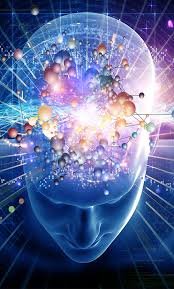
The human brain, a marvel of biological engineering, functions not merely as a repository of information but as a dynamic, adaptable system. Much like a computer, it can be programmed, its pathways reinforced and its outputs influenced. While we often associate programming with lines of code, the concept extends to the conscious cultivation of our thoughts, emotions, and behaviors. This essay explores the fascinating idea of “programming your brain to create positive energy,” delving into the mechanisms behind this process and the profound impact it can have on our lives.
At its core, programming our brains for positivity involves a deliberate and conscious effort to shift our internal landscape. It’s not about ignoring challenges or suppressing negative emotions, but rather about actively nurturing a more optimistic and resilient mindset. This process is rooted in the brain’s remarkable neuroplasticity – its ability to reorganize itself by forming new neural connections throughout life. Every thought we think, every emotion we feel, and every action we take strengthens specific neural pathways. By repeatedly engaging in positive thought patterns and behaviors, we effectively “hardwire” our brains for optimism, resilience, and well-being.
One of the fundamental ways to program for positivity is through the power of conscious thought. Our internal dialogue, the constant stream of thoughts running through our minds, significantly shapes our emotional state. By becoming more aware of these thoughts and actively challenging negative or self-defeating ones, we begin to rewrite our internal narrative. Techniques like cognitive restructuring, where we identify distorted thinking patterns and replace them with more realistic and positive alternatives, are powerful tools in this reprogramming process. For instance, instead of automatically thinking “I’m not good enough,” we can consciously reframe it to “I am capable and I am learning.” This seemingly simple shift in language can have a profound impact on our feelings and subsequent actions.
Another crucial element is the cultivation of gratitude. Regularly focusing on the positive aspects of our lives, no matter how small, activates the brain’s reward centers and releases feel-good neurotransmitters like dopamine and serotonin. Keeping a gratitude journal, taking time each day to appreciate simple pleasures, or expressing thanks to others are all ways to train our brains to seek out and focus on the good. This deliberate practice strengthens the neural pathways associated with positivity, making it easier to access these feelings even in challenging times.
Furthermore, the power of visualization and affirmation plays a significant role in programming for positive energy. By vividly imagining ourselves achieving our goals, experiencing joy, and radiating positivity, we create mental blueprints that the brain begins to internalize. Similarly, repeating positive affirmations – concise statements about our desired state of being – helps to reinforce positive beliefs and counteract negative self-talk. While some may view these practices as wishful thinking, the underlying principle is sound: by focusing our mental energy on desired outcomes, we increase our motivation, build confidence, and are more likely to take actions that align with those outcomes.
Beyond internal mental exercises, our external environment and actions also contribute significantly to programming our brains. Engaging in activities that bring us joy, spending time with supportive individuals, and prioritizing self-care all contribute to a positive feedback loop. Exercise, for example, is a powerful mood booster, releasing endorphins that create feelings of well-being. Similarly, acts of kindness and compassion not only benefit others but also activate the brain’s reward system, reinforcing positive social connections and fostering a sense of purpose.
It is important to acknowledge that programming your brain for positive energy is not a one-time fix, but an ongoing practice. There will be days when negative thoughts and emotions arise, and that is a natural part of the human experience. The key is not to eliminate negativity entirely, but to develop the skills and resilience to navigate it effectively. By consistently applying the principles of conscious thought, gratitude, visualization, and positive actions, we build a stronger foundation for positive energy to flourish.
In conclusion, the concept of programming your brain to create positive energy is a testament to our incredible capacity for self-transformation. By understanding the principles of neuroplasticity and actively engaging in practices that cultivate positive thoughts, emotions, and behaviors, we can reshape our internal landscape and profoundly impact our well-being. It is an ongoing journey of conscious effort, but the rewards – increased resilience, greater joy, and a more optimistic outlook on life – are immeasurable. By becoming the architects of our own minds, we unlock the potential to create a life filled with vibrant, positive energy.




 Love
Love Astrologer
 Dreams
 Life Coach
 Medium
 Numerologist
 Palm Reader
 Paranormal
 Past Life
 Tarot Reader