
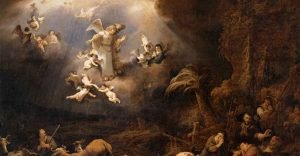
The concept of angels is one that transcends cultures, religions, and epochs, serving as a bridge between the divine and the earthly. Angels have been depicted in various forms across numerous belief systems, embodying both the messengers of the divine and protectors of humanity. This essay delves into the origins of angels, their significance in various religious traditions, and their influence on art, literature, and popular culture.
The term “angel” originates from the Greek word “angelos,” which means “messenger.” In many religions, angels are considered spiritual beings created by God to fulfill specific roles. Their origins can be traced back to ancient texts, with mentions in religious scriptures such as the Bible, the Quran, and other historical religious writings.
In Christianity, angels are often associated with the heavenly hierarchy established by theologians such as Pseudo-Dionysius the Areopagite, who classified them into nine orders or choirs, including seraphim, cherubim, and archangels. In Judaism, angels (known as “malakhim” in Hebrew) are messengers of God, often serving as agents carrying out divine tasks. Similarly, Islam recognizes angels as created beings made from light, serving Allah and carrying out His commands.
Angels serve various roles across cultures and religious beliefs. Primarily, they act as intermediaries between humans and the divine. For instance, in Christianity, the archangel Gabriel is often depicted as the messenger who conveyed vital revelations to figures like Mary, mother of Jesus. In Islam, angels are believed to record human actions and guide believers along their spiritual paths.
Angels are commonly characterized by their immaterial nature, often depicted as having wings, a radiant appearance, and a sense of purity. These characteristics symbolize their divine origins and the transcendence of their spiritual essence above humanity. Their portrayal in art and literature often evokes a sense of comfort, protection, and inspiration, reflecting the human desire for divine guidance and intervention.
The influence of angels extends beyond religious texts and doctrines; they have permeated art, literature, and popular culture throughout history. In the Renaissance, artists like Michelangelo and Raphael depicted angels in serene and majestic forms, capturing their ethereal beauty and divine nature. Similarly, in literature, angels have been explored as symbols of hope and salvation, as observed in works ranging from John Milton’s epic poem “Paradise Lost” to more contemporary narratives.
In modern popular culture, angels continue to captivate the imagination. They are depicted in films, television shows, and literature, often representing ideals of goodness, protection, and the struggle between good and evil. The presence of angels in narratives often serves to provide moral guidance and inspire hope, reflecting humanity’s ongoing quest for meaning and understanding in an imperfect world.
The birth of angels as spiritual beings reflects humanity’s yearning for connection with the divine and the exploration of the metaphysical realms. Across cultures and ages, angels have played significant roles in the spiritual, moral, and artistic domains, symbolizing divine protection, guidance, and the ever-present struggle between light and darkness. As we continue to explore our beliefs and the mysteries of existence, angels remain a vital part of the human experience, serving as messengers of hope and reminders of the possibilities that lie beyond the material world.




 Love
Love Astrologer
 Dreams
 Life Coach
 Medium
 Numerologist
 Palm Reader
 Paranormal
 Past Life
 Tarot Reader