
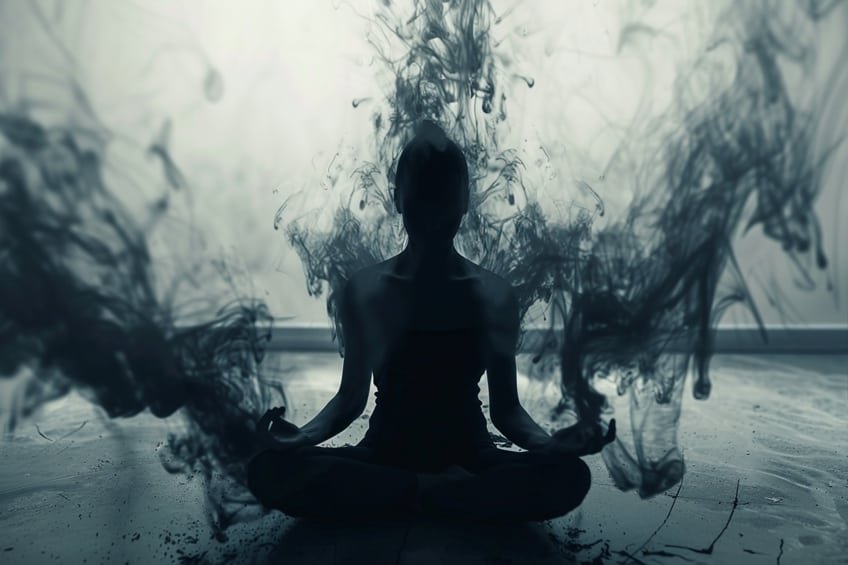
Auras are often described as subtle energy fields that surround living beings, reflecting their emotional and spiritual states. Different colors are often associated with different traits, emotions, and states of being. The black aura, however, is a topic of considerable intrigue and controversy within the spiritual and metaphysical communities. Unlike other colors that convey positivity or constructive energy, a black aura is typically viewed with apprehension and can represent a range of interpretations, both negative and protective.
Understanding Auras
To understand the concept of a black aura, it is helpful to first grasp what an aura is. Auras are said to consist of layers of energy that can be perceived by individuals who are particularly sensitive to such phenomena, often referred to as being clairvoyant. Each color of an aura can indicate various emotional, psychological, and spiritual states. For example, a bright yellow aura may signify optimism or creativity, while a blue aura can denote calmness or compassion. In contrast, a black aura often evokes feelings of unease.
Meanings Associated with a Black Aura
- Negative Emotions: A black aura is often associated with negative emotions, such as anger, sadness, or grief. Individuals displaying this aura may be experiencing intense emotional turmoil, which can manifest as loneliness or hopelessness. The darkness of a black aura can indicate that an individual is grappling with deep-seated issues that may be actively hindering their personal growth.
- Protective Shield: In some interpretations, a black aura may serve as a protective mechanism. Individuals may unconsciously create a black aura as a way to shield themselves from external negativity or harmful influences. This can indicate a state of self-preservation, where an individual is drawing boundaries to protect their emotional well-being.
- Energy Drain: A black aura may suggest that a person is surrounded by toxic relationships or environments that drain their energy. In such cases, the aura serves as a visual cue indicating that the individual may be absorbing negative energy from the world around them, leading to feelings of fatigue and melancholy.
- Transformation: Alternatively, a black aura can indicate a period of transformation, even if it is accompanied by discomfort. Many people must confront their shadows or darker aspects of themselves before they can experience growth. Black can represent the unknown or the depths of one’s psyche, indicating that the individual is undergoing a significant internal struggle that can lead to eventual healing.
Recognizing and Interpreting a Black Aura
Recognition of a black aura can vary from one individual to another. Some may perceive it as a dense, dark cloud surrounding a person, while others might report feeling a heaviness or coldness in its presence. For those who are sensitive to energies, it is essential to approach the subject with care and compassion.
When encountering someone with a black aura, it may be meaningful to provide a space for dialogue. Encouraging open discussions about their emotions and experiences may help them disclose their struggles, leading to healing or seeking assistance if necessary. It’s important to remind oneself that auras can change and fluctuate over time, and a black aura does not mean a person is doomed to remain in that state indefinitely.
The black aura is a complex and multifaceted concept that embodies a range of interpretations concerning emotional distress, protection, energy dynamics, and personal transformation. While its connotations may seem predominantly negative, it can also signify a transition point, a chance for growth, or a mechanism of self-protection. Understanding and interpreting a black aura demands sensitivity, empathy, and a willingness to explore the deeper layers of human emotion and experience. It serves as both a warning and an opportunity for self-discovery, urging individuals to confront and resolve the internal conflicts that may be influencing their well-being.




 Love
Love Astrologer
 Dreams
 Life Coach
 Medium
 Numerologist
 Palm Reader
 Paranormal
 Past Life
 Tarot Reader