
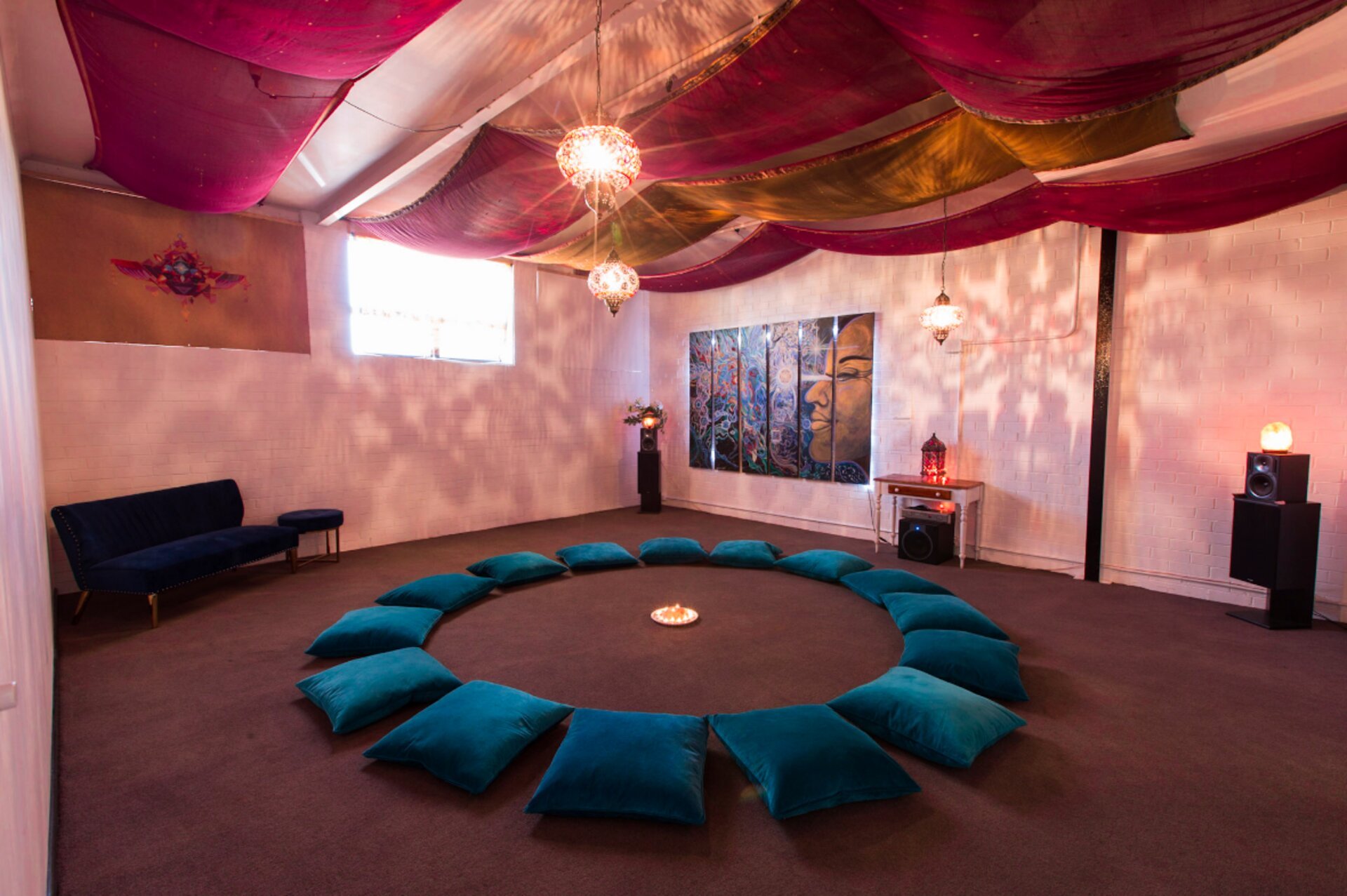
In today’s fast-paced world, the importance of mental, emotional, and physical well-being is increasingly recognized. As people seek refuge from the stresses of daily life, the idea of a “healing room” has gained substantial traction. This concept transcends mere physical space; it embodies a philosophy of holistic health and wellness that integrates various practices aimed at restoration and rejuvenation.
Definition of a Healing Room
A healing room is typically a designated space created to promote relaxation, healing, and contemplation. This space can exist in various settings, including homes, wellness centers, hospitals, or holistic clinics. At its core, a healing room is designed to provide an atmosphere conducive to healing—one that encourages individuals to unwind, reflect, and engage in practices that nurture their mind, body, and spirit.
Characteristics of a Healing Room
The design and atmosphere of a healing room play a crucial role in its effectiveness. Here are some common characteristics:
- Calming Aesthetics: Healing rooms often feature soothing colors, soft lighting, and natural materials that promote a sense of peace and serenity. Elements like plants, art, and natural light enhance the ambiance and create a connection to nature.
- Comfort and Safety: Furniture is typically chosen for comfort, including cozy seating and softer textures. The layout encourages movement and freedom, allowing individuals to engage in various activities, whether it be meditation, yoga, or simple contemplation.
- Inclusivity of Healing Modalities: Healing rooms often include tools and resources for various healing practices. This can range from meditation cushions and yoga mats to essential oils, crystals, or sound therapy instruments.
- Personalization: To foster a deeper connection and sense of ownership, healing rooms often allow for personal expression. Individuals may bring their own items—photos, artwork, or mementos—that resonate with them emotionally and spiritually.
The Role of a Healing Room in Wellness
- Stress Reduction: Healing rooms provide a sanctuary for stress relief. The ambience encourages mindfulness and presence, allowing individuals to disconnect from their day-to-day worries and engage in restorative practices.
- Physical Healing: Whether through meditation, gentle yoga, or other forms of movement, these spaces promote physical well-being. They can serve as a place for physical therapy or rehabilitation as well, fostering an environment of healing.
- Emotional Resilience: Healing rooms support emotional exploration and healing. Spaces designed for reflection can provoke insights, aid in emotional processing, and foster resilience in facing life’s challenges.
- Community and Connection: Healing rooms can also serve as spaces for group activities, workshops, or community gatherings. This social aspect can enhance the healing process by providing support and shared experiences.
In conclusion, a healing room represents more than just a physical space; it symbolizes a commitment to holistic wellness and personal growth. By offering an environment tailored to healing and self-discovery, these rooms furnish individuals with the tools necessary to navigate their mental, emotional, and physical health journeys. As society continues to evolve and recognize the importance of well-being, the healing room stands out as a beacon of hope—a personal sanctuary where restoration and rejuvenation become possible.




 Love
Love Astrologer
 Dreams
 Life Coach
 Medium
 Numerologist
 Palm Reader
 Paranormal
 Past Life
 Tarot Reader