
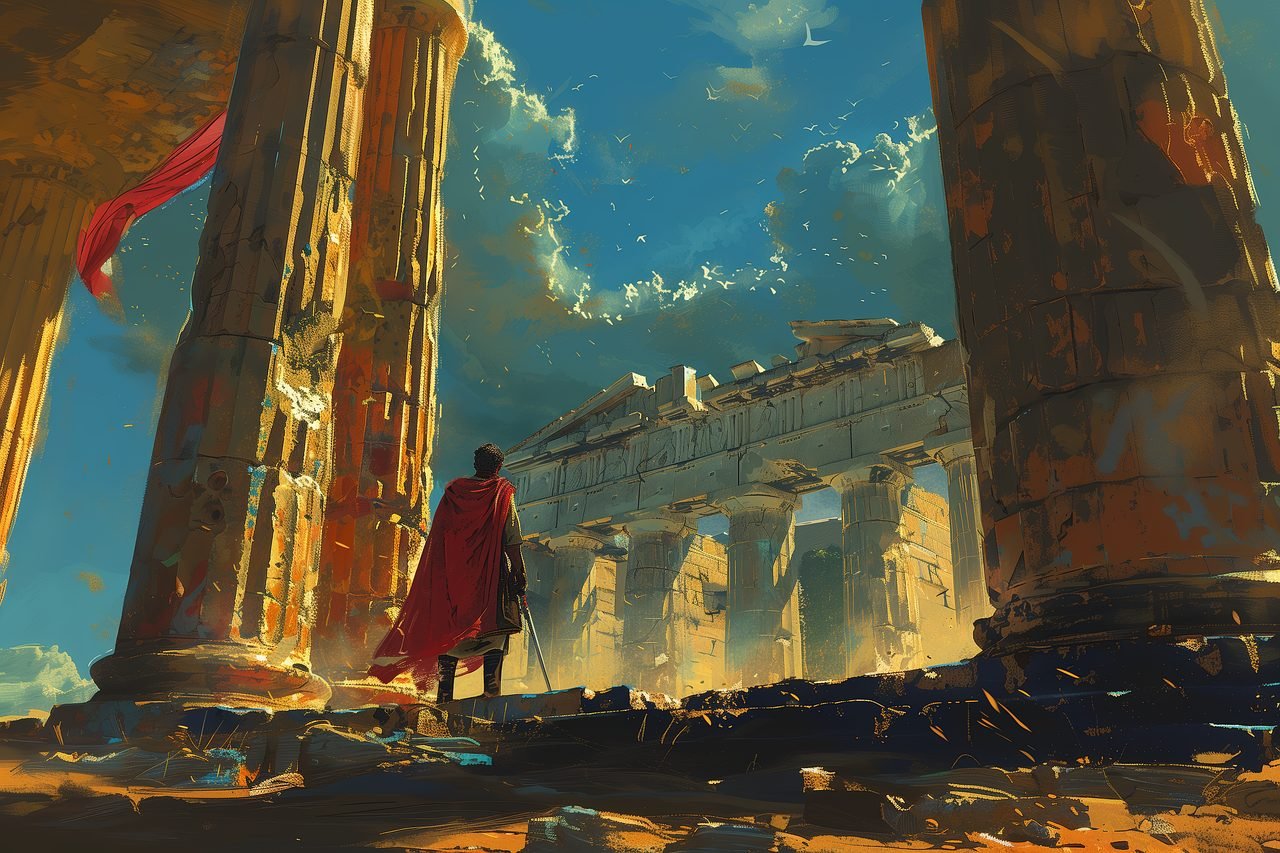
Tarot cards are steeped in rich symbolism and archetypes, and many of these archetypes parallel figures from Greek mythology. The imagery and meanings behind the cards often evoke the same timeless human experiences that were personified by the gods, heroes, and myths of ancient Greece. For professional tarot readers, understanding these mythological connections can deepen the interpretive possibilities and resonate with clients on a more profound level.
Greek mythology, with its stories of divine intervention, heroic quests, and moral lessons, mirrors many of the themes found within tarot’s Major and Minor Arcana. In this article, we’ll explore how specific tarot cards can be linked to characters and myths from Greek mythology, highlighting how these ancient stories can enrich your tarot practice.
Tarot and Archetypes: The Common Ground
Both tarot and mythology are structured around archetypes—universal symbols and patterns that appear in human consciousness across cultures and time periods. Carl Jung, the renowned psychoanalyst, popularized the concept of archetypes, suggesting that they represent fundamental human drives and experiences. Greek mythology, with its cast of gods, goddesses, and heroic figures, is filled with these archetypal roles, much like the figures in tarot.
When reading tarot, the cards act as mirrors to our own inner world, and the same can be said of the myths. Myths aren’t just ancient stories; they reflect our deepest desires, fears, challenges, and transformative moments, which are key aspects of any tarot reading.
Key Tarot Cards and Their Greek Mythological Parallels
Let’s dive into some notable tarot cards and explore their connections to Greek mythology, revealing how these ancient stories illuminate and expand their meanings.
1. The Fool (0) – Dionysus
The Fool in tarot represents new beginnings, spontaneity, and the leap into the unknown, often without fear or expectation of the outcome. This archetype resonates strongly with Dionysus, the Greek god of wine, revelry, and ecstatic abandon. Dionysus was known for his carefree spirit, challenging conventional norms, and embracing life’s unpredictability.
Much like The Fool, Dionysus invites us to trust in the journey and take bold steps without being bound by logic or structure. He represents the idea of surrendering to life’s flow, much like The Fool’s journey into the unknown.
2. The Magician (I) – Hermes
The Magician, a figure of transformation, skill, and manifestation, closely aligns with Hermes, the Greek god of communication, magic, and trickery. Hermes was a master of language, able to navigate between the divine and mortal realms with ease, just as The Magician manipulates the elements of existence to create his desired reality.
In tarot, The Magician symbolizes the harnessing of one’s skills and willpower to create change, much like Hermes’ role as a messenger and guide who wielded both wisdom and cunning. Hermes teaches that mastery of communication, knowledge, and the balance of different forces is key to manifesting our desires.
3. The High Priestess (II) – Persephone
The High Priestess, representing intuition, hidden knowledge, and the mysteries of the subconscious, is often associated with Persephone, the Queen of the Underworld. Persephone embodies the duality of light and dark, life and death, much like The High Priestess, who bridges the conscious and unconscious realms.
In myth, Persephone’s descent into the underworld represents a journey into the shadow self and the mysteries of the unseen, just as The High Priestess invites us to explore the deeper aspects of our own psyche. This connection encourages tarot readers to look beyond the surface and tap into their inner wisdom and intuition when interpreting this card.
4. The Empress (III) – Demeter
The Empress is the embodiment of fertility, abundance, and nurturing energy, paralleling Demeter, the Greek goddess of the harvest and motherhood. Demeter’s connection to the cycles of nature and her nurturing of the Earth reflects the Empress’s role as the life-giver and protector of growth.
In readings, The Empress suggests the energy of creation, whether in relationships, projects, or personal development, much like Demeter’s role in ensuring the Earth’s fertility and abundance. Both figures remind us of the importance of nurturing and tending to the aspects of our lives that require growth and care.
5. The Emperor (IV) – Zeus
The Emperor represents authority, structure, and the rule of law, all qualities that align with Zeus, the king of the Greek gods. As the ruler of Mount Olympus, Zeus was the ultimate authority figure, embodying leadership, power, and control over the cosmos, much like The Emperor’s role in establishing order and governance.
In tarot, The Emperor advises the need for discipline, strategy, and setting firm boundaries, much like Zeus’s role in enforcing the rules of the universe. Both figures command respect and emphasize the necessity of structure to maintain harmony.
6. The Lovers (VI) – Eros and Psyche
The Lovers card in tarot is about relationships, choices, and harmony, often depicting the union of opposites. This card aligns with the myth of Eros and Psyche, a love story filled with challenges, tests of loyalty, and the ultimate triumph of love through perseverance.
In this myth, Psyche must undergo a series of trials to prove her devotion to Eros, reflecting the themes of choice and commitment found in The Lovers card. Like Eros and Psyche, this tarot card invites individuals to consider the power of love and the importance of aligning with their higher self when making significant life choices.
7. The Chariot (VII) – Apollo
The Chariot, symbolizing victory, willpower, and determination, aligns with Apollo, the sun god who drives his chariot across the sky, representing light, clarity, and success. Apollo’s chariot symbolizes the power of focused intention and the pursuit of goals, much like The Chariot card suggests harnessing one’s energy to overcome obstacles and achieve victory.
In tarot, The Chariot emphasizes control, discipline, and forward momentum, much like Apollo’s steady journey across the heavens. Both figures teach that triumph requires not just strength, but the ability to channel that strength in a focused and determined way.
8. The Hermit (IX) – Prometheus
The Hermit, a figure of solitude, inner reflection, and wisdom, shares traits with Prometheus, the titan who stole fire from the gods to give to humanity. Prometheus is a symbol of knowledge, sacrifice, and the pursuit of enlightenment, much like The Hermit’s solitary quest for inner truth.
In tarot readings, The Hermit often suggests the need for introspection and seeking deeper meaning, echoing Prometheus’s role as a bringer of knowledge and light to humanity. This connection highlights the importance of seeking wisdom, even when it requires going against the grain or facing isolation.
Greek Mythology in the Minor Arcana
The Major Arcana may have the most obvious connections to mythological figures, but the Minor Arcana also reflects mythological themes:
- The Suit of Wands can be seen as representing the energy of heroes like Heracles, whose quests and labors mirror the fiery determination and action-oriented nature of Wands.
- The Suit of Cups resonates with stories of emotional depth and love, such as the trials of Orpheus and Eurydice, symbolizing the emotional and spiritual journeys found in this suit.
- The Suit of Swords aligns with the intellectual and conflict-laden stories of warriors like Achilles, embodying the mental clarity, challenges, and struggles depicted in Swords.
- The Suit of Pentacles reflects the grounded, material lessons of figures like King Midas, whose myth is a cautionary tale of greed and the consequences of focusing solely on material wealth.
Greek mythology offers a treasure trove of archetypal figures and stories that parallel the themes in tarot, enriching the way we interpret the cards. These ancient myths bring timeless wisdom to modern tarot readings, offering deeper insights into the human condition, the nature of the divine, and the cycles of life.
For tarot professionals, incorporating these mythological connections can provide clients with a more profound understanding of their own personal narratives. Greek mythology serves as a powerful lens through which to view tarot, providing both depth and resonance in the art of divination.


 Love
Love Astrologer
 Dreams
 Life Coach
 Medium
 Numerologist
 Palm Reader
 Paranormal
 Past Life
 Tarot Reader