
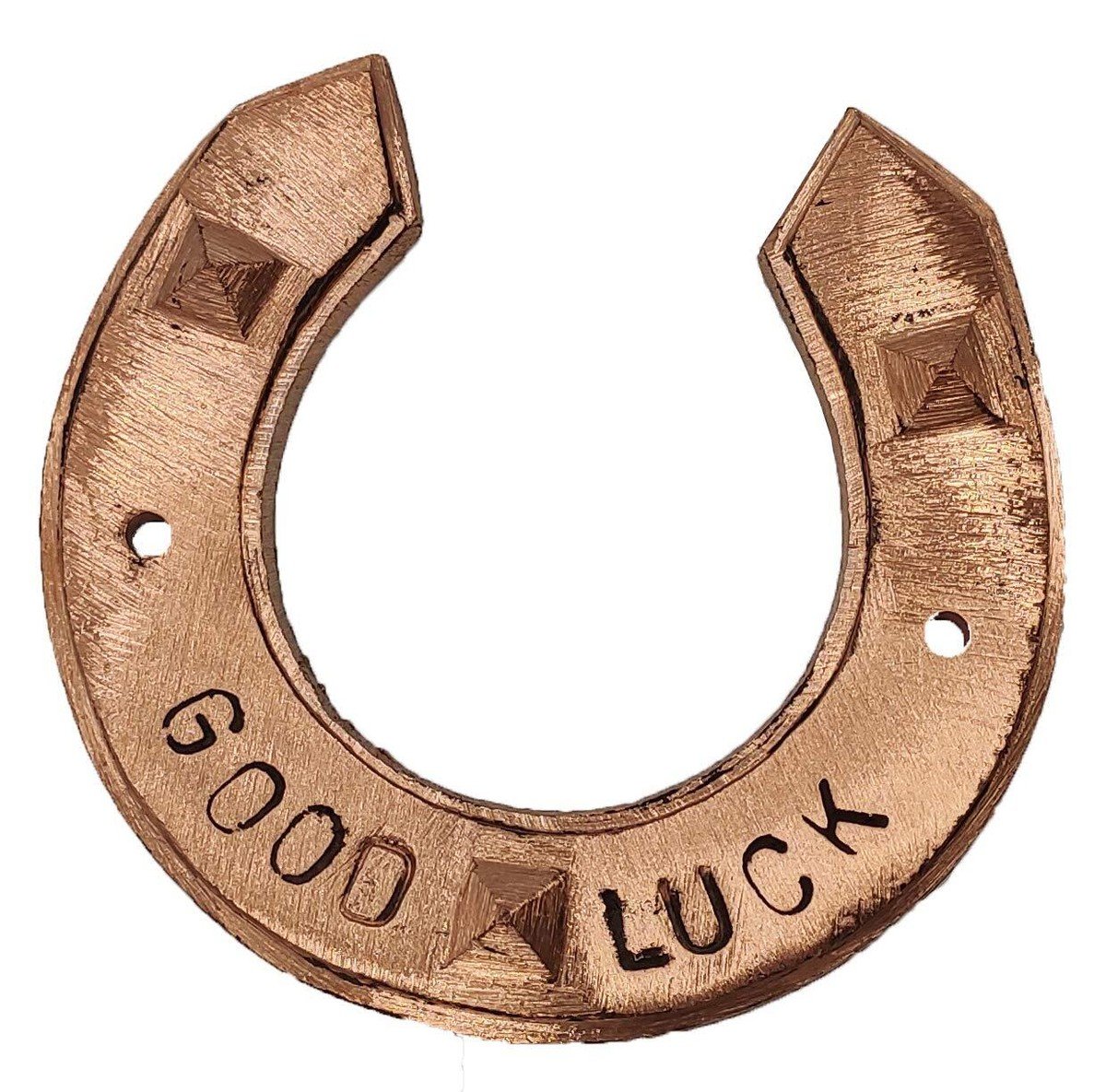
Superstitions have played a significant role in cultures around the world for centuries, often reflecting deep-seated human hopes and fears. Among the most enduring of these is the belief in the lucky horseshoe—a simple iron object that has come to symbolize good fortune and protection. While it may seem curious that a piece of metal associated with horses has gained such symbolic weight, the horseshoe’s transformation into a cultural talisman is rooted in both historical practices and spiritual beliefs.
The origins of the horseshoe superstition can be traced back to ancient Europe, particularly to the Middle Ages. Iron, the primary material used in horseshoes, was believed to ward off evil spirits and supernatural beings. In an era when many feared witches, demons, and misfortune, iron tools—such as horseshoes, nails, and knives—were thought to possess protective qualities. Additionally, the shape of the horseshoe, resembling a crescent moon, was associated with fertility, prosperity, and the moon goddess in several ancient cultures, including Roman and Celtic traditions.
One of the most well-known legends connected to the horseshoe involves Saint Dunstan, a 10th-century blacksmith who later became the Archbishop of Canterbury. According to the story, the Devil asked Dunstan to shoe his hoof. Recognizing his customer, Dunstan agreed—but only after binding the Devil and causing him great pain during the process. The Devil begged for relief, and Dunstan agreed to remove the shoe on the condition that the Devil would never enter a place where a horseshoe was hung above the door. This tale greatly contributed to the idea of the horseshoe as a protective amulet.
The way a horseshoe is displayed is also subject to superstition. In many cultures, hanging a horseshoe with the open end facing upward (like a “U”) is believed to keep the luck from spilling out, acting as a sort of bowl that holds good fortune. Conversely, in some traditions, it is hung downward to allow good luck to flow over the house or those who pass beneath it. Regardless of orientation, the horseshoe is almost universally seen as a charm that brings safety and blessings.
Today, the horseshoe remains a common symbol in Western culture. It appears in jewelry, home décor, and even logos, reflecting its longstanding association with luck and safety. Its use is not limited to homes and farms; athletes, gamblers, and even newlyweds have embraced the horseshoe for its positive symbolism. Though many may regard it as merely a quaint tradition, for others, it continues to provide a sense of comfort and hope in uncertain times.
The superstition surrounding the horseshoe reveals how deeply ingrained symbolic objects are in human culture. From medieval folklore to modern-day good luck charms, the horseshoe has retained its reputation as a powerful emblem of protection and fortune. Whether one believes in its magic or not, the horseshoe remains a fascinating example of how simple objects can hold complex and lasting meaning across generations.




 Love
Love Astrologer
 Dreams
 Life Coach
 Medium
 Numerologist
 Palm Reader
 Paranormal
 Past Life
 Tarot Reader