
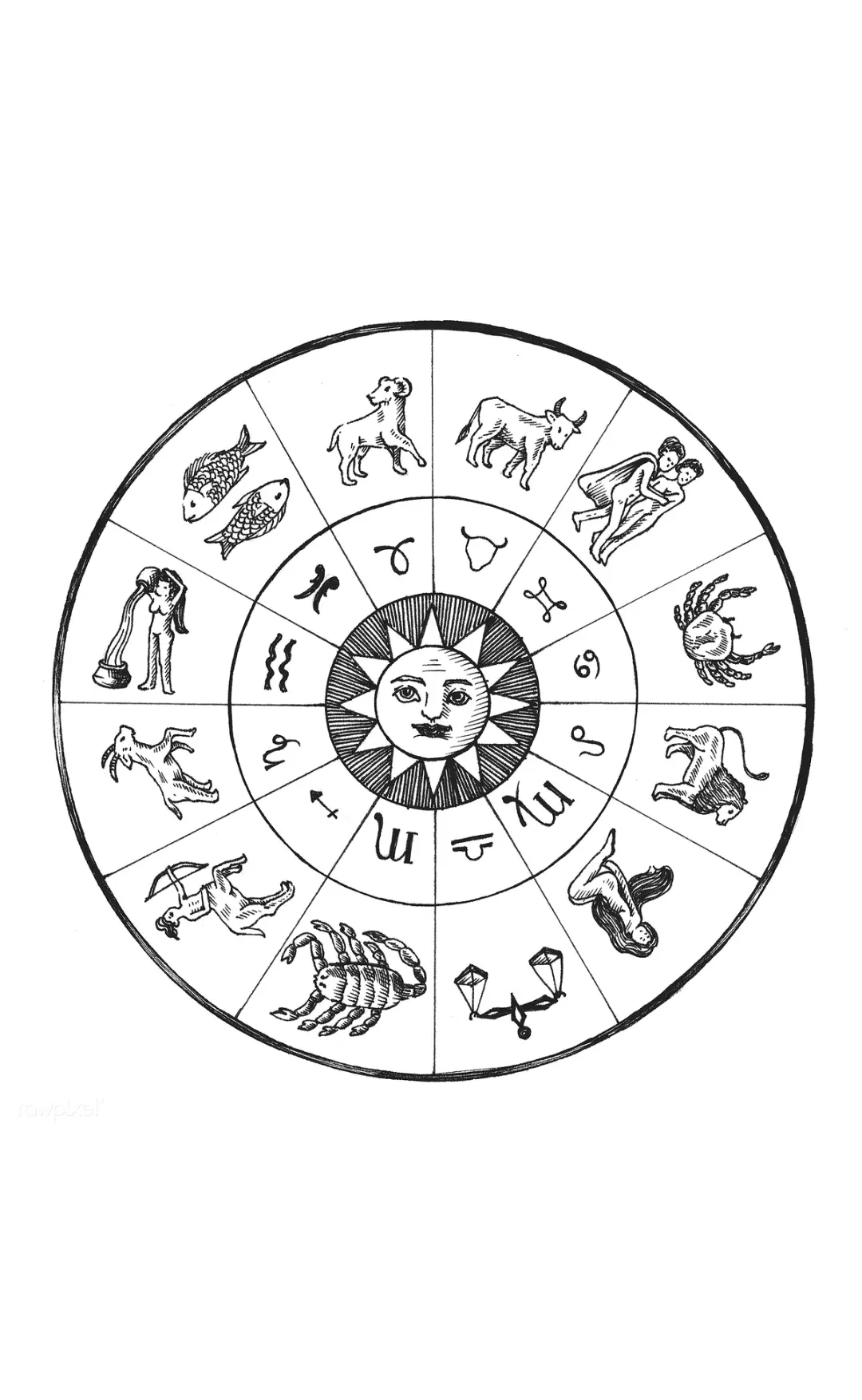
Astrology is a multifaceted domain that asserts the alignment and movements of celestial bodies, particularly planets, influence human behavior and personality traits. While astrology is often considered a pseudoscience, its followers have long sought to find meaning and guidance within the positions of the planets against the backdrop of the zodiac signs. Each planet, with its unique characteristics, plays a specific role in shaping astrological interpretations, and understanding these celestial bodies can offer deeper insights into the astrological practice.
The Role of the Sun and Moon
In astrology, the Sun and the Moon are often regarded as the two primary luminaries. The Sun represents core identity, ego, and self-expression. Its position in a natal chart plays a crucial role in determining an individual’s basic personality traits, vitality, and life force. The Sun’s influence symbolizes one’s conscious mind, creative expression, and potential for leadership. For example, a person with their Sun in Leo might exhibit confidence, creativity, and a desire for recognition, epitomizing the sun’s radiant qualities.
Conversely, the Moon governs emotions, instincts, and the subconscious. It signifies one’s inner life, emotional responses, and nurturing tendencies. The Moon’s placement can reveal how individuals process their feelings and relate to their inner selves. For instance, a Moon in Cancer may indicate a person with a strong attachment to family and home, showcasing the Moon’s nurturing and protective nature.
The Inner Planets and Personal Characteristics
The inner planets—Mercury, Venus, and Mars—are typically associated with more immediate, personal traits and behaviors.
- Mercury, the planet of communication, intellect, and reasoning, dictates how we think and express ourselves. Its influence in a natal chart can reveal communication styles, decision-making processes, and learning preferences. For example, Mercury in Gemini often lends an individual a quick wit and adaptability in conversations, while its placement in Taurus may indicate a more deliberate and methodical thought process.
- Venus, the planet of love, art, and relationships, governs how we relate to others and what we value. Its position can illustrate an individual’s approach to romance, aesthetics, and social interactions. An individual with Venus in Libra may prioritize harmony and beauty in relationships, seeking balance and partnership, whereas Venus in Capricorn might reflect a more practical and commitment-oriented approach to love.
- Mars, the planet of action, desire, and aggression, is pivotal in determining how we assert ourselves and pursue our goals. Mars’ placement can influence one’s energy levels, competitive spirit, and willingness to take risks. For instance, Mars in Aries may indicate a person with a bold, impulsive nature, whereas Mars in Virgo might reflect a more analytical, detail-oriented approach to plans and challenges.
The Outer Planets and Broader Influences
The outer planets—Jupiter, Saturn, Uranus, Neptune, and Pluto—represent broader psychological and societal influences often reflecting generational shifts and collective consciousness rather than individual traits.
- Jupiter, the planet of expansion and growth, influences our philosophical beliefs and aspirations. Its position can show areas of life where an individual might experience luck and growth. For example, Jupiter in Sagittarius typically denotes a love for adventure, learning, and exploration, while Jupiter in Capricorn might suggest a more pragmatic approach to growth, focusing on career and tangible accomplishments.
- Saturn, the planet of discipline, responsibility, and structure, often reflects challenges and limitations in one’s life. Its positioning can reveal lessons to be learned and the areas in which an individual may need to exert self-control. A person with Saturn in Aquarius may learn to balance individuality with social responsibility, facing challenges related to freedom and community.
- Uranus, the planet of change and innovation, signifies sudden shifts and unconventional thinking. Its influence can be disruptive, prompting individuals or societies to break free from established norms. For instance, Uranus in Scorpio can indicate transformative experiences related to intimacy and power dynamics.
- Neptune, the planet of dreams, intuition, and spirituality, involves matters of inspiration, illusion, and transcendence. Its placement often affects how an individual perceives reality and engages with their creative impulses. Neptune in Pisces may indicate a heightened sensitivity to art, spirituality, and emotional depth.
- Pluto, associated with transformation and power dynamics, governs growth through destruction and rebirth. Its influence can be profound, often involving deep-seated changes in personality and life circumstances. For example, Pluto in Capricorn could evoke themes of authority, ambition, and societal restructuring.
In conclusion, the planets play an essential role in astrology, offering insights into personal characteristics and broader societal trends. Each planet contributes its distinct energy, influencing how individuals express themselves and navigate their lives. While the scientific validity of astrology is often questioned, its rich symbolism and traditions provide individuals with a framework for self-exploration, personal growth, and understanding the complexities of human behavior. Whether viewed as a belief system, a psychological tool, or a cultural phenomenon, astrology continues to captivate many, reflecting our enduring quest for meaning in the cosmos.




 Love
Love Astrologer
 Dreams
 Life Coach
 Medium
 Numerologist
 Palm Reader
 Paranormal
 Past Life
 Tarot Reader