
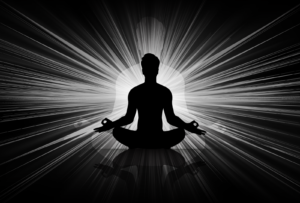
In the world of spiritual energy, few aura colors create as much curiosity and fear as black. People often hear the phrase “black aura” and immediately imagine darkness, evil, or bad intentions. But like most things in spiritual practice, the truth is far more complicated. A black aura does not automatically mean someone is dangerous or cursed. In many cases, it represents emotional exhaustion, spiritual heaviness, hidden pain, or intense self-protection.
Auras are believed to reflect the emotional, mental, physical, and spiritual energy surrounding a person. Some people claim to see them as colors around the body, while others sense them emotionally or intuitively. Bright colors are often associated with openness and vitality, while darker shades can signal blocked energy, unresolved trauma, or periods of transformation. Black is one of the rarest and most misunderstood aura colors because it often appears during difficult chapters of life.
A black aura can symbolize emotional burnout. When someone has been carrying grief, stress, heartbreak, anger, or fear for a long time, their energy may begin to feel dense and heavy. Spiritually sensitive people sometimes describe this as a dark cloud surrounding the person. It does not mean the person is “bad.” It may simply mean they are overwhelmed, emotionally shut down, or spiritually drained. People who are struggling silently often carry this type of energy without realizing it.
In some psychic traditions, black energy is viewed as a protective shield. Someone who has been hurt repeatedly may unconsciously build emotional walls so high that their aura darkens as a defense mechanism. Instead of radiating warmth outward, they pull their energy inward to survive. This can make them appear cold, distant, intimidating, or emotionally unavailable even if they are deeply sensitive underneath.
A black aura is also sometimes linked to unresolved trauma. Emotional wounds that are ignored instead of healed can settle into the spirit like emotional smoke. Over time, bitterness, resentment, shame, or self-hatred may begin affecting a person’s energetic field. This is why many spiritual healers emphasize shadow work the process of confronting painful truths instead of burying them. Darkness in an aura is not always something to fear. Sometimes it is simply pain asking to be acknowledged.
Interestingly, black auras are often connected to transformation. In mystical symbolism, darkness is not only associated with endings but also rebirth. Seeds grow underground before they bloom. The moon disappears before becoming full again. Many people experience spiritually “dark” periods before major awakenings. A black aura can appear when someone is shedding an old identity, mourning a past version of themselves, or going through a personal death-and-rebirth cycle emotionally.
There are also people who absorb negative energy from others too easily. Empaths, caretakers, psychics, and emotionally sensitive individuals sometimes become spiritually overloaded without proper grounding. After spending too much time around conflict, manipulation, or emotionally draining people, their energy can become muddy or darkened. In these cases, cleansing rituals, rest, solitude, meditation, prayer, or reconnecting with nature may help restore balance.
Of course, not every spiritual interpretation agrees on what a black aura means. Some traditions believe black spots or shadows in the aura may indicate illness, emotional instability, or energetic blockages around certain chakras. Others see it as a temporary energetic state rather than a permanent identity. One important idea repeated across many spiritual teachings is this energy changes constantly. An aura is not a life sentence. It evolves with emotions, experiences, healing, and self-awareness.
People with black energy around them are often judged unfairly. Society tends to fear darkness instead of understanding it. But spiritually speaking, darkness is part of every human being. Everyone carries anger, fear, jealousy, sadness, and regret at some point. The difference is whether those emotions are faced honestly or hidden away. Some of the strongest and wisest people have walked through incredibly dark emotional seasons before finding peace again.
If someone believes they have a black aura, the answer is not panic. The answer is reflection. Are you exhausted? Angry? Heartbroken? Carrying grief you never processed? Surrounded by toxic people? Ignoring your emotional needs? Spiritually disconnected? A dark aura may simply be your inner self asking for healing.
Many spiritual practices focus on restoring lighter energy through grounding exercises, energy cleansing, journaling, therapy, meditation, prayer, shadow work, or spending time with supportive people. Small acts of healing slowly shift the energy field. As emotional wounds begin to close, the heaviness surrounding the aura often changes too.
In the end, a black aura is not necessarily a sign of evil it is often a sign of struggle, protection, transformation, or emotional depth. Darkness in spiritual symbolism has always carried two meanings: destruction and rebirth. Sometimes the soul goes dark not because it is lost forever, but because it is trying to survive long enough to heal.




 Love
Love Astrologer
 Dreams
 Life Coach
 Medium
 Numerologist
 Palm Reader
 Paranormal
 Past Life
 Tarot Reader