
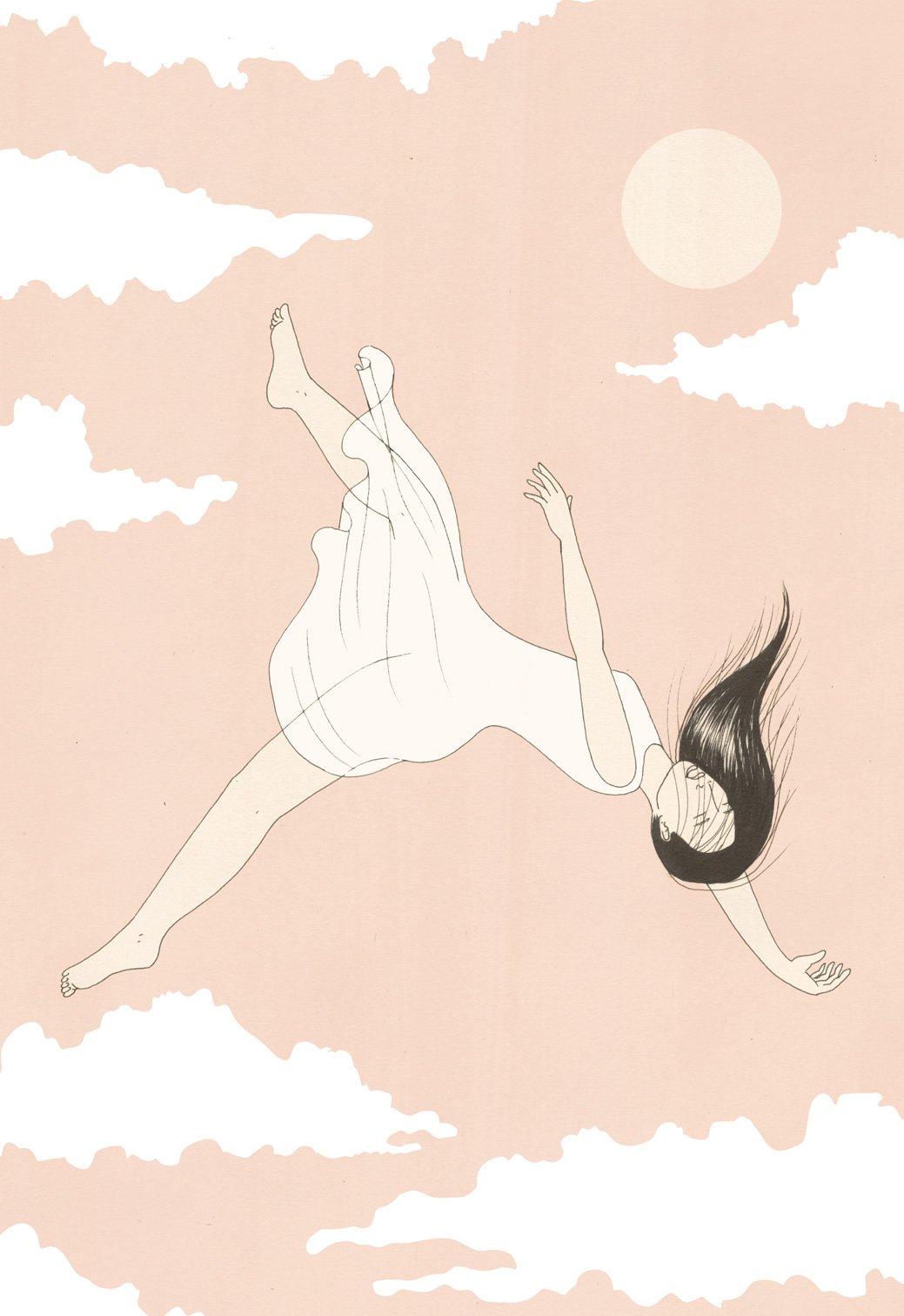
Falling dreams are a common phenomenon experienced by individuals across different cultures and backgrounds. These dreams often evoke feelings of helplessness, fear, and anxiety, providing a rich landscape for psychological and cultural interpretation. The act of falling, when dreamt, can symbolize a range of emotions and situations in waking life, shedding light on deeper subconscious concerns.
The Nature of Falling Dreams
Falling dreams typically occur during the REM (rapid eye movement) stage of sleep, where the brain is highly active, and vivid dreaming occurs. Research suggests that nearly 60% to 70% of people report having such dreams at least once in their lives. They can vary in intensity, duration, and implications, ranging from a sudden drop to a slow descent, and they may end with the dreamer waking up just before hitting the ground.
Psychological Perspectives
From a psychological standpoint, falling dreams can be linked to feelings of insecurity and loss of control. Sigmund Freud, the father of psychoanalysis, theorized that dreams reflect our unconscious desires and fears. Falling, in this context, can indicate feelings of inadequacy or fear of failure in one’s life. For instance, an individual grappling with academic pressures or career-related anxieties may experience falling dreams, which symbolize their apprehensions about not meeting expectations.
Carl Jung, another influential psychologist, approached dreams as a window into the collective unconscious. He posited that falling might symbolize a disconnection from one’s true self or path. In this sense, falling dreams can be interpreted as a call to reassess personal values and make necessary changes in one’s life.
Cultural Interpretations
Cultural interpretations of falling dreams also provide fascinating insights. In many cultures, falling can symbolize a loss of status, a breakdown of social connections, or fears of failure. In the context of Eastern philosophies, falling could be seen as a reminder of the impermanence of life, encouraging individuals to embrace change and seek balance.
Moreover, in popular culture, falling dreams have been depicted in literature and film as symbols of transformation or awakening. In these narratives, the act of falling often serves as a catalyst for character development, pushing individuals to confront their fears and emerge stronger.
Physiological Factors
While the psychological and cultural angles are compelling, physiological factors also play a role in falling dreams. Some researchers suggest that these dreams may be linked to the body’s physical state during sleep. For example, a drop in blood pressure or muscle relaxation can create sensations akin to falling, which the brain then incorporates into the dream narrative. Such physiological components suggest that the body and mind are intricately connected, and disturbances in one may manifest in the other during dream states.
Falling dreams represent a complex interplay between psychological, cultural, and physiological elements. They provide a unique lens through which individuals can explore their innermost fears and desires. Whether viewed through the lens of psychoanalysis, cultural symbolism




 Love
Love Astrologer
 Dreams
 Life Coach
 Medium
 Numerologist
 Palm Reader
 Paranormal
 Past Life
 Tarot Reader