
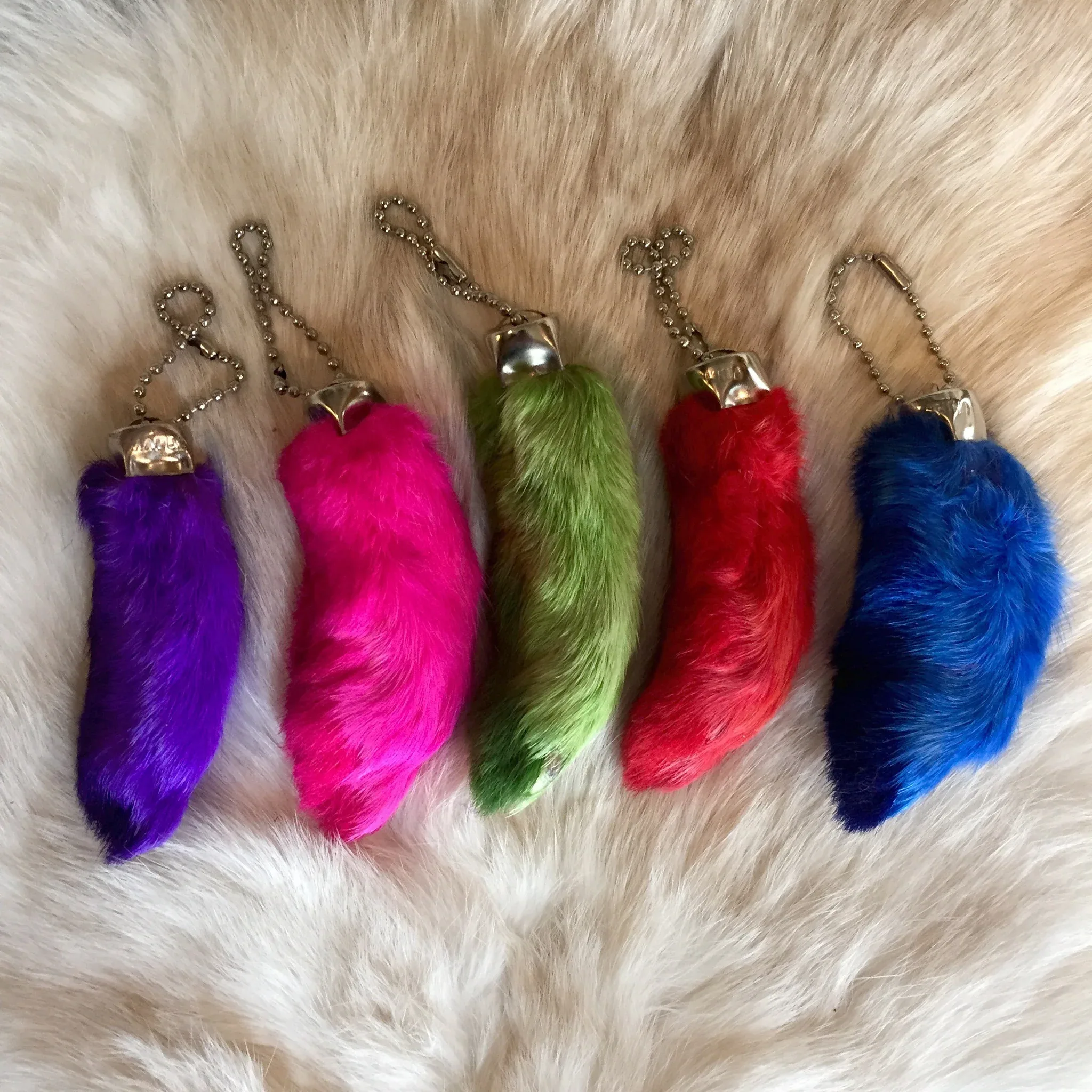
The rabbit’s foot is one of those strange little objects that manages to be both charming and unsettling at the same time a tiny, furry charm carried in pockets and purses, dangling from keychains, or tucked away like a secret. For generations, it has been associated with luck, protection, and a touch of old-world magic. But like many superstitions, its meaning runs deeper than the surface, rooted in folklore, cultural blending, and humanity’s enduring desire to hold onto something that promises a bit of control over fate.
The idea of luck attached to rabbits goes back far beyond the charm itself. Rabbits have long been symbols of fertility, abundance, and life, likely because of how quickly they reproduce. In various ancient cultures, they were seen as creatures connected to the earth and the cycles of nature. Their burrowing habits living between the surface world and the underground gave them a kind of mystical reputation, as if they moved between realms. In parts of Europe, especially among Celtic traditions, rabbits were believed to be linked to spirits of the underworld or even to fairies. Carrying a piece of such an animal, then, wasn’t just about luck it was about carrying a connection to something unseen.
The rabbit’s foot superstition as we recognize it today took more specific shape in the American South during the 19th century. It became intertwined with African American folk traditions, particularly hoodoo, where objects from animals were often believed to hold protective or magical properties. However, not just any rabbit’s foot would do. According to certain versions of the superstition, the foot had to be taken under very specific and often eerie conditions to be truly lucky. Some stories claimed it needed to come from a rabbit caught in a cemetery at midnight, or during a full moon, or even on a Friday the 13th. These details weren’t random; they reflected a blending of African spiritual beliefs with European ideas about witchcraft and omens, creating a layered tradition that felt both sacred and slightly dangerous.
What’s interesting is the contradiction at the heart of the rabbit’s foot. It’s supposed to bring good luck to the person who carries it, but clearly not to the rabbit itself. This paradox has led some people to question whether the charm is truly “lucky” at all, or if it’s more about the symbolism we project onto it. Like many superstitions, its power may lie less in the object and more in the belief behind it. Carrying a rabbit’s foot can feel like carrying a piece of reassurance a small, tangible reminder that luck might be on your side.
Over time, the superstition has softened. Today, many rabbit’s feet sold are dyed in bright colors and mass-produced, far removed from the ritualistic origins of the charm. For some, it’s more of a novelty or nostalgic token than a serious talisman. Others, however, still see it as a meaningful good-luck charm, something to hold onto during uncertain moments. In a world that often feels unpredictable, even a small ritual like keeping a lucky object can provide comfort.
There’s also a broader human truth wrapped up in the story of the rabbit’s foot people have always searched for ways to influence luck. Whether it’s knocking on wood, avoiding black cats, or carrying a charm, these practices reflect a desire to feel a little less at the mercy of chance. The rabbit’s foot, with all its odd history and symbolism, is simply one of the more tangible expressions of that instinct.
In the end, the superstition isn’t really about the object itself. It’s about belief, tradition, and the quiet hope that something anything might tip the scales in our favor. The rabbit’s foot remains a small, curious relic of that hope, a reminder that even in a rational world, a part of us still leans toward magic.




 Love
Love Astrologer
 Dreams
 Life Coach
 Medium
 Numerologist
 Palm Reader
 Paranormal
 Past Life
 Tarot Reader