
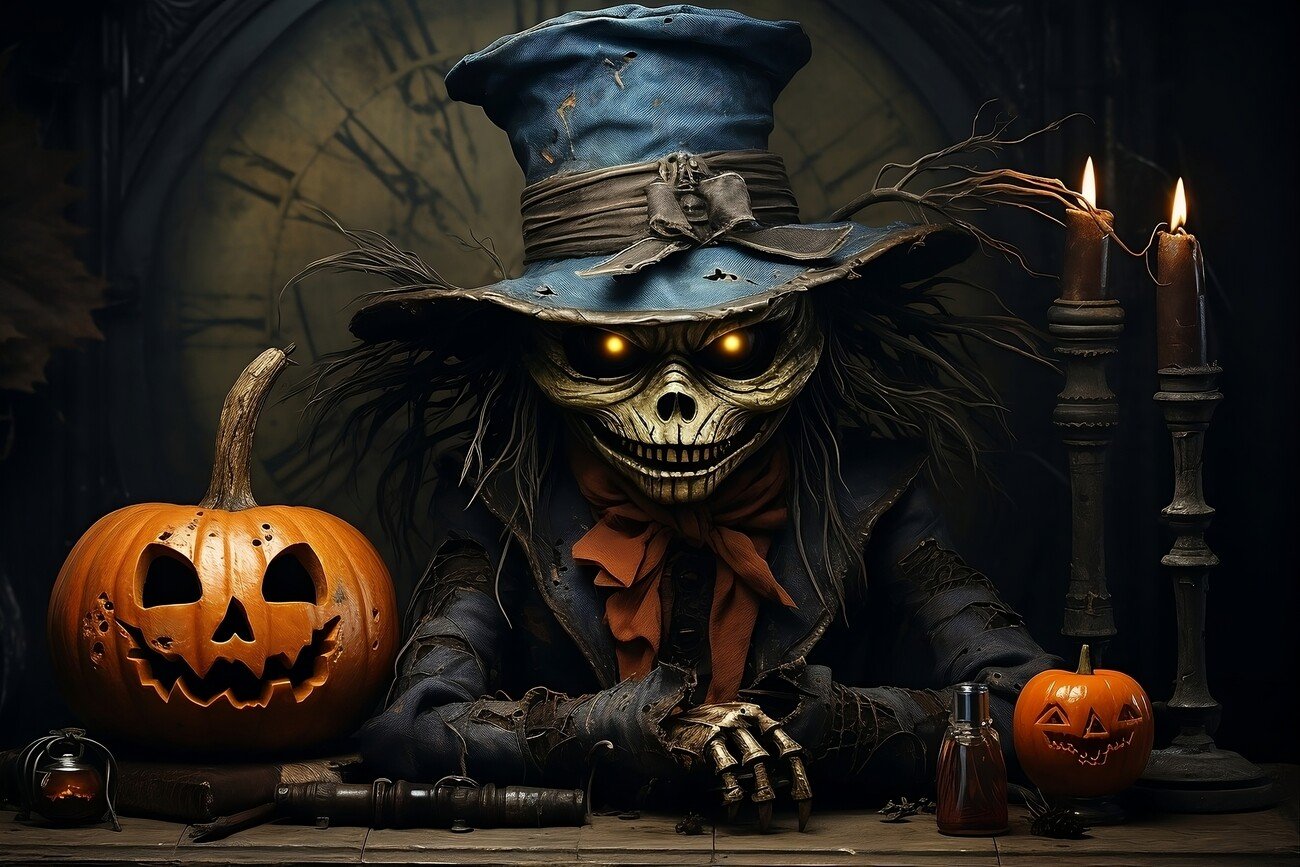
Halloween, celebrated on October 31st, is a multifaceted holiday steeped in history, folklore, and cultural significance. Originally rooted in ancient Celtic traditions, Halloween has transformed over the centuries into a widely recognized celebration characterized by costumes, trick-or-treating, and festive gatherings. Understanding the reasoning behind Halloween involves examining its origins, the influences that shaped its evolution, and its contemporary significance.
Celtic Roots: Samhain
The origins of Halloween can be traced back to the ancient Celtic festival known as Samhain (pronounced “sow-in”), a celebration marking the end of the harvest season and the onset of winter. The Celts believed that on the night of October 31st, the boundary between the living and the dead became blurred, allowing spirits to roam the earth. This belief instilled a deep sense of reverence and fear regarding the dead, leading to various rituals intended to ward off malevolent spirits.
During Samhain, bonfires were lit to honor the sun and to guide lost souls, while people donned masks and costumes to disguise themselves from wandering spirits. This early practice of wearing costumes can be viewed as a precursor to the modern tradition of dressing up for Halloween. The evening served as a time for reflection, honoring ancestors, and seeking divine guidance for the coming winter months.
Roman Influence: Feralia and Pomona
As the Roman Empire expanded into Celtic territories, it brought with it its own traditions that influenced Samhain. Two notable Roman festivals intertwined with Samhain were Feralia, a day in late October when Romans commemorated the dead, and Pomona, a festival honoring the goddess of fruit and trees. The incorporation of apples—often associated with Pomona—into harvest rituals likely contributed to the modern practice of apple bobbing, prevalent during Halloween festivities.
Christian Adaptation: All Hallows’ Eve
With the spread of Christianity, many pagan traditions were assimilated into the newly established religious framework. By the 9th century, November 1st was designated as All Saints’ Day, a day to honor saints and martyrs. The evening before became known as All Hallows’ Eve, eventually becoming Halloween. This syncretism allowed for the continuity of certain traditions while imbuing them with new religious meanings, enabling the church to better integrate into existing cultural practices.
Modern-Day Celebrations
Today, Halloween is a celebration that blends remnants of these ancient practices with contemporary cultural elements. The holiday has evolved into a primarily secular event in many countries, particularly in the United States, where it has become commercialized and widely popular. Costumes, haunted houses, pumpkin carving, and trick-or-treating are hallmarks of contemporary Halloween celebrations, reflecting a culture of playfulness and creativity.
The reasoning behind these practices is both societal and psychological. Engaging in costumes allows individuals to express their creativity and explore various aspects of identity. Trick-or-treating fosters community interaction, encouraging neighborly relations and camaraderie among families. The festive nature of Halloween provides an opportunity for people to confront their fears in a controlled environment, allowing them to engage with the themes of death and the supernatural in a playful and safe manner.
The reasoning behind Halloween lies in a rich tapestry of historical influences, cultural adaptations, and social practices. What began as a solemn observance during ancient Celtic traditions has morphed into a vibrant celebration that reflects the complexities of human experience. Halloween encapsulates the interplay between fear and joy, past and present, community and individuality. By tracing the evolution of Halloween, we gain insight not only into the significance of the holiday itself but also into the broader human fascination with death, the afterlife, and the importance of community in navigating these existential themes. As Halloween continues to evolve, it serves as a reminder of our enduring connection to history and the cultural tapestry that shapes our celebrations today.


 Love
Love Astrologer
 Dreams
 Life Coach
 Medium
 Numerologist
 Palm Reader
 Paranormal
 Past Life
 Tarot Reader