
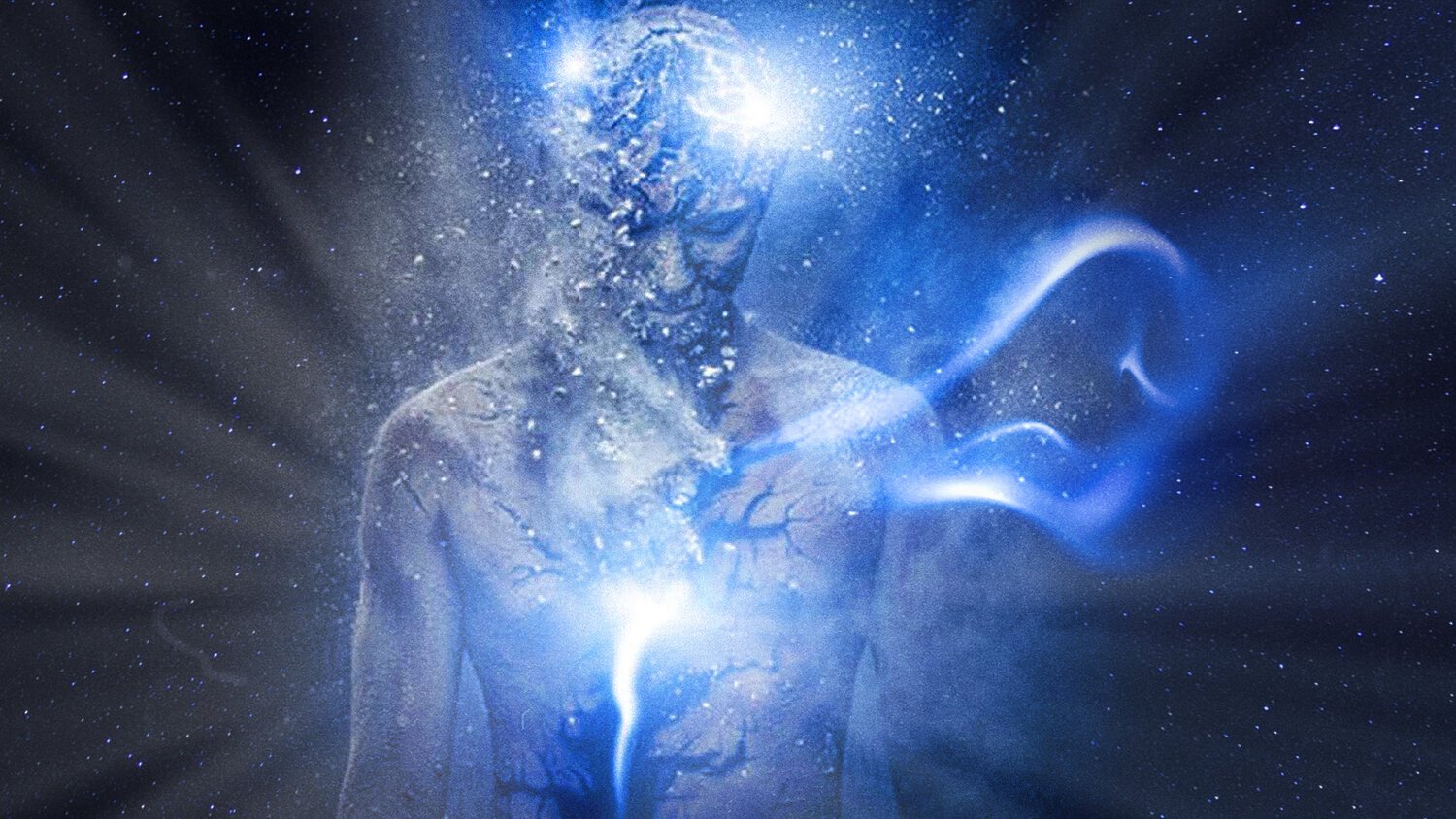
Tragedy, in its myriad forms, leaves indelible marks on the human soul. The loss of a loved one, a devastating accident, the betrayal of trust – these events can shatter our sense of self, leaving us adrift in a sea of grief, confusion, and despair. While conventional therapies offer invaluable tools for navigating the aftermath, the concept of psychic ability, often dismissed by skeptics, presents a fascinating and potentially powerful avenue for soul healing. This essay will explore the potential role of psychic ability in supporting the healing process following a tragic event, acknowledging the complexities and limitations of this perspective.
Firstly, let’s define what we mean by “psychic ability” in this context. We’re not necessarily talking about predicting the future, but rather the potential for heightened intuitive awareness, empathy, and the ability to perceive energies and emotions beyond the scope of conventional senses. This can manifest in various ways:
- Enhanced Empathy and Connection: A psychic individual might possess an amplified capacity to connect with the emotions and experiences of the bereaved. They could potentially sense the pain, the unspoken words, and the underlying fears that often accompany trauma. This deep level of understanding can create a safe and validating space for individuals to process their grief without feeling judged or misunderstood.
- Accessing Inner Wisdom: Psychic abilities could potentially provide access to deeper levels of consciousness, tapping into a wellspring of inner wisdom and guidance. This might involve receiving intuitive insights, symbolic dreams, or spontaneous “knowing” that can help individuals understand their experience, identify their emotional needs, and chart a path towards healing.
- Facilitating Communication with the Departed: While highly controversial, some individuals believe in the possibility of communicating with those who have passed on. In the context of tragic loss, this belief can offer comfort and a sense of closure. A psychic medium, for example, might provide a channel for connecting with a deceased loved one, offering messages of love, forgiveness, or even guidance for the future. This can be incredibly cathartic for those struggling with unresolved grief or feelings of guilt.
- Energetic Healing: The concept of energy fields and the potential for manipulating them is central to many psychic practices. Psychic healers might utilize this understanding to address the energetic imbalances caused by trauma, such as feelings of heaviness, stagnation, or fragmentation. This could involve techniques like energy clearing, chakra balancing, or connecting to a universal source of healing energy.
However, it is crucial to approach the topic with a critical and balanced perspective. The following limitations and considerations must be acknowledged:
- Subjectivity and Skepticism: Psychic experiences are inherently subjective and can be difficult to verify. It is essential to be discerning and to approach any interaction with a psychic practitioner with healthy skepticism, trusting your own intuition and judgement.
- Emotional Vulnerability: Individuals experiencing trauma are highly vulnerable. It is vital to ensure that the psychic practitioner is ethical, compassionate, and experienced in working with trauma survivors. They must prioritize the client’s well-being and avoid exploiting their vulnerability.
- Not a Replacement for Conventional Therapy: Psychic ability should not be considered a replacement for established therapeutic approaches like psychotherapy, grief counseling, or support groups. It can potentially be a complementary tool, offering an additional layer of support, but it should never supplant conventional treatments.
- Risk of Misinterpretation: The interpretations of psychic experiences can be subjective and prone to misinterpretation. Individuals should be encouraged to explore the meaning of any messages or insights they receive within the context of their own experiences and values.
The potential of psychic ability to aid in the healing of the soul after a tragic event is a complex and multifaceted issue. While the claims of psychic ability are often met with skepticism, the possibility of enhanced empathy, access to inner wisdom, and even facilitating communication with the departed offers a compelling alternative pathway to healing for some individuals. However, this approach must be pursued with caution, critical awareness, and a clear understanding of its limitations. It should be viewed as a complementary tool, not a replacement for conventional therapies, and always prioritized with the individual’s emotional safety and well-being. Ultimately, the journey of soul healing is a deeply personal one. By acknowledging the potential role of psychic ability within a balanced and ethical framework, we open ourselves to exploring a broader range of resources in our quest to navigate the darkness and emerge, once again, into the light.




 Love
Love Astrologer
 Dreams
 Life Coach
 Medium
 Numerologist
 Palm Reader
 Paranormal
 Past Life
 Tarot Reader