
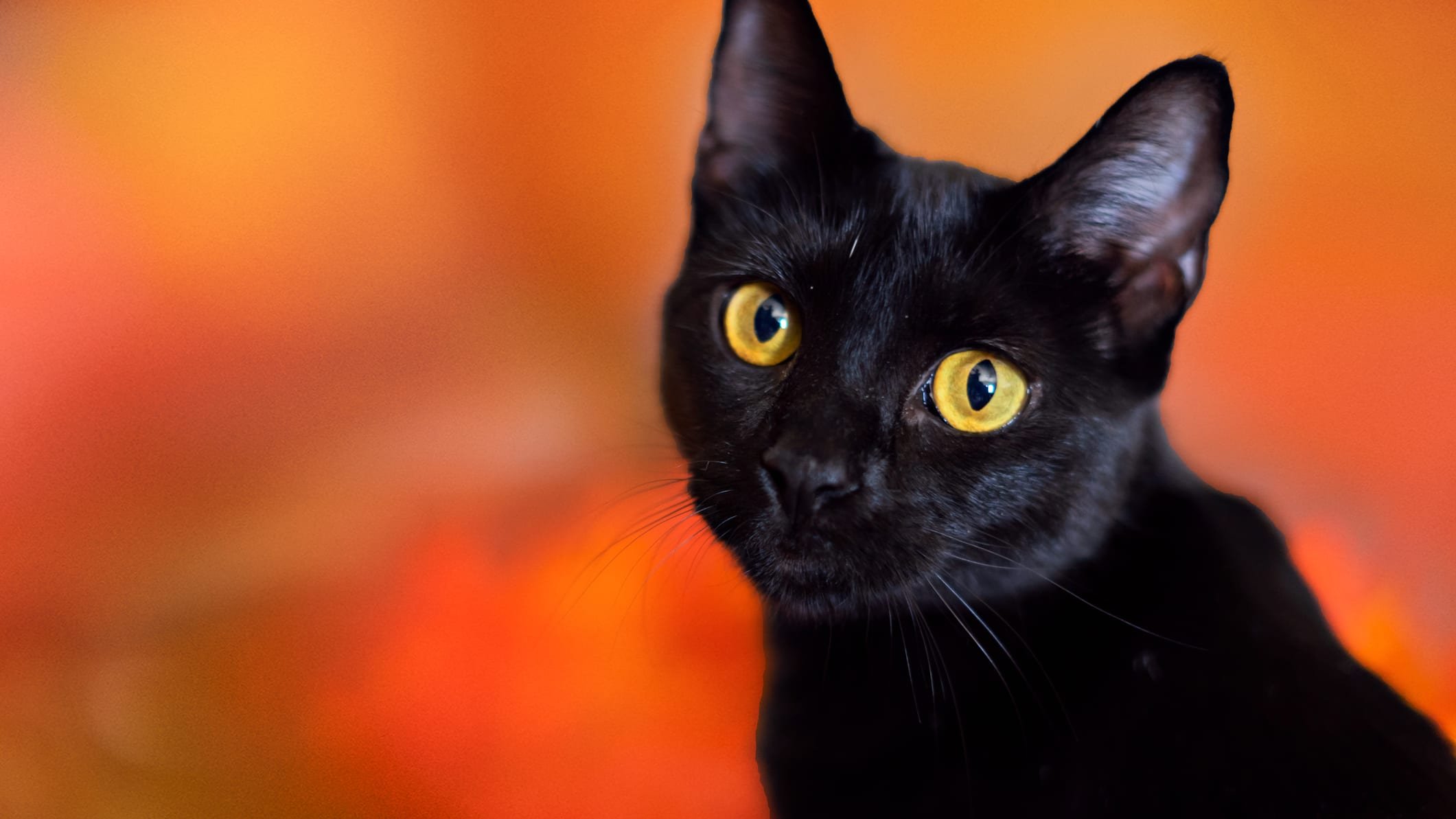
Throughout history, the black cat has been a potent symbol in various cultures, often eliciting a mix of fear, respect, and intrigue. In the realm of superstition, few animals have been as polarizing as the black cat, leading to a variety of beliefs concerning luck, fate, and the supernatural. This essay will explore the origins of black cat superstition, its cultural implications, and the evolution of perceptions surrounding these enigmatic creatures.
The roots of the black cat superstition can be traced back to ancient civilizations. In ancient Egypt, cats were revered and considered sacred animals, embodying grace and poise. The goddess Bastet, often depicted with a lioness or as a domestic cat, represented home, fertility, and domesticity. Cats, including black ones, were cherished and protected, leading to the belief that they possessed a divine aura. However, the tides turned in medieval Europe, where the association of black cats with witchcraft began to take hold. During the witch hunts, women who were suspected of witchcraft were often linked to black cats, which were seen as their familiars or mystical companions. This association painted the black cat as a harbinger of doom rather than a figure of divinity.
As the superstition spread across Europe, cultural interpretations of the black cat diverged. In many Western countries, encountering a black cat, particularly if it crosses one’s path, was often interpreted as a sign of bad luck. The phrase “black cat crossing your path” became a common expression indicative of impending misfortune. This belief was intensified during Halloween and other harvest festivals, where black cats were often associated with the supernatural and the lurking presence of evil spirits. The fear surrounding black cats reached a peak during the 16th and 17th centuries in Europe, leading to widespread extermination, as thousands of these animals were killed in an effort to purge society of supposed witchcraft.
Conversely, in other cultures, black cats are seen as symbols of good fortune and prosperity. In Japan, for instance, a black cat crossing one’s path is often considered a good omen, especially if it is a female cat. The Scottish believe that a black cat’s arrival at home signifies prosperity, while in some parts of England, it is said that having a black cat as a pet brings good luck. These positive interpretations highlight the duality of the black cat’s symbolism, emphasizing that their significance often relies on regional and cultural contexts.
In more contemporary times, society’s views toward black cats have softened considerably. A growing appreciation for pets has led to a reevaluation of the black cat’s role in households and communities. Nevertheless, superstition still lingers, often influencing the adoption rates of black cats in animal shelters, where they are frequently overlooked due to lingering fears. Campaigns to promote the adoption of black cats have emerged, aiming to debunk myths and shift the narrative from one of bad luck to companionship and love. Notably, many people today celebrate black cats as unique and beautiful animals, enjoying their quirky personalities and strong bonds with humans.
In conclusion, the superstition surrounding black cats serves as a rich case study of how cultural beliefs evolve over time. From revered animals in ancient Egypt to the symbols of doom in medieval Europe, black cats embody humanity’s complex relationship with nature and the supernatural. The duality of their symbolism—representing both good fortune and misfortune—reflects broader themes of belief, fear, and societal change. As society continues to progress, it is vital to challenge outdated superstitions and embrace the black cat not as an omen of bad luck, but as a creature deserving of love and respect. By doing so, we not only honor the legacy of these enigmatic animals but also contribute to a more inclusive understanding of the diverse tapestry of belief systems that shape our world.




 Love
Love Astrologer
 Dreams
 Life Coach
 Medium
 Numerologist
 Palm Reader
 Paranormal
 Past Life
 Tarot Reader