
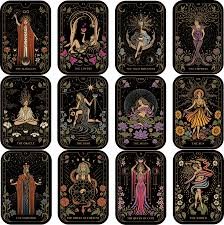
Tarot card reading is a centuries-old practice used for guidance, insight, and self-reflection. Often misunderstood as a tool for predicting a fixed future, tarot is better seen as a mirror for the soul-revealing hidden thoughts, energies, and patterns. Whether you’re receiving a reading from someone else or performing one for yourself, the experience can be deeply personal and transformative. However, to make the most of it, it’s important to approach tarot with the right mindset and preparation. This essay offers key tips to help you get the most out of your tarot card reading.
1. Set a Clear Intention
Before you begin a tarot reading, it’s helpful to have a clear intention or question in mind. This doesn’t mean you need to know exactly what you want to ask, but having a focus allows the reading to be more meaningful. Your question can be specific (“What can I do to improve my relationship with my partner?”) or general (“What energy surrounds me right now?”). The cards often respond best to open-ended questions that begin with “what,” “how,” or “why,” as these encourage exploration rather than yes-or-no answers.
2. Create a Calm, Focused Environment
Tarot reading is an intuitive and energetic practice, so the setting can influence the clarity of the reading. Try to find a quiet space where you can concentrate without distractions. Many people light candles, burn incense, or play soft music to create a peaceful atmosphere. This helps tune your energy to the deck and allows you to be more receptive to the messages coming through.
3. Keep an Open Mind
One of the most important tips for a tarot reading is to remain open-minded. The cards might not tell you what you want to hear but often they reveal what you need to hear. Some messages may be challenging or unclear at first, but they often make sense with time. Avoid trying to force the cards to confirm a desired outcome. Instead, allow the reading to unfold naturally and trust the process.
4. Understand the Symbolism
Tarot is a symbolic language. Each card contains imagery, colors, numbers, and archetypes that convey deeper meanings. While memorizing card meanings can be useful, it’s more powerful to develop an intuitive connection to the symbols. Ask yourself: What emotions does this card evoke? What do the images remind me of? How does this relate to my current situation? The cards often speak through personal associations as much as traditional meanings.
5. Take Notes During the Reading
Whether you’re doing a self-reading or visiting a professional, taking notes can help you reflect later. Write down the cards drawn, the spread used, and any impressions or thoughts that come to mind. Some insights may not make sense immediately but could become relevant days or weeks later. Keeping a tarot journal is a great way to track your personal growth and deepen your understanding of the cards over time.
6. Be Honest With Yourself
Tarot has a way of cutting through illusion. To benefit fully from a reading, you must be willing to face the truth even if it’s uncomfortable. The cards may highlight behaviors, beliefs, or fears that need attention. Resist the urge to ignore or downplay these messages. Instead, use them as opportunities for self-growth and healing.
7. Don’t Rely on Tarot for Every Decision
While tarot can offer guidance, it should not replace critical thinking or personal responsibility. It’s a tool not a crutch. Avoid the temptation to do multiple readings on the same question, especially if you don’t like the answer. Doing so can create confusion rather than clarity. Trust the first reading, sit with it, and allow time for the message to integrate before seeking another round of answers.
8. Practice Regularly but Respectfully
If you’re learning tarot yourself, regular practice helps build confidence and intuition. However, treat the cards with respect. Store your deck mindfully, cleanse it when needed (through methods like smoke, moonlight, or intention), and approach each reading with sincerity. The more energy and care you put into your relationship with the cards, the more meaningful your readings will become.
A tarot card reading can be a powerful experience of self-discovery and insight when approached with openness, clarity, and respect. By setting clear intentions, engaging with the symbolism, and remaining honest with yourself, you invite deeper understanding into your life. Remember that tarot is not about predicting an unchangeable future—it’s about empowering you to navigate life with greater wisdom and awareness. With these tips in mind, your tarot readings can become a valuable part of your personal and spiritual journey.




 Love
Love Astrologer
 Dreams
 Life Coach
 Medium
 Numerologist
 Palm Reader
 Paranormal
 Past Life
 Tarot Reader