
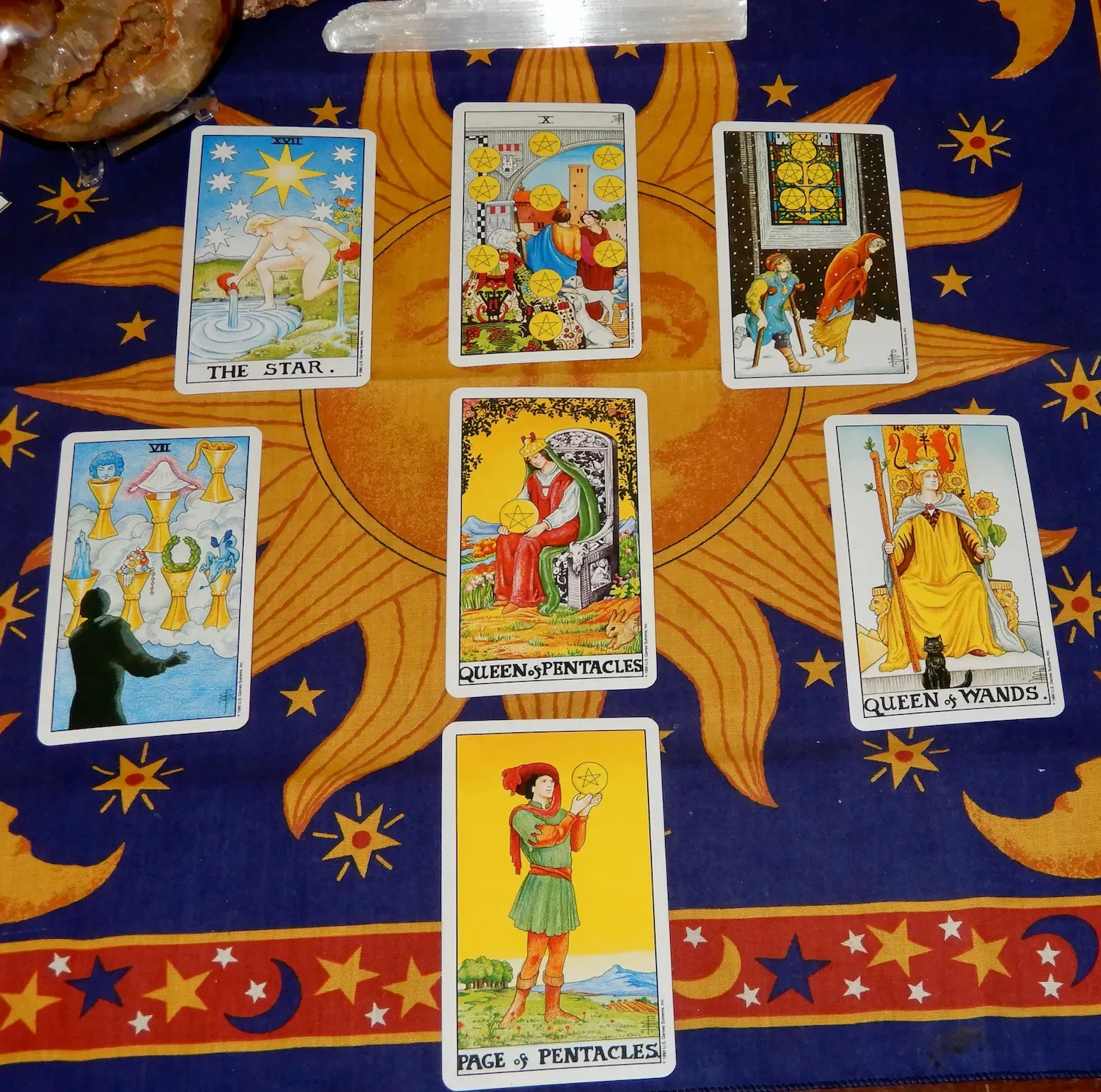
“Entering” a tarot card is a metaphor for engaging with the card on a deeper level than simply reading its surface meaning. It’s about:
- Connecting with the Imagery: Observing and internalizing the symbols, figures, colors, and overall composition of the card.
- Feeling the Energy: Allowing yourself to sense the card’s emotional and energetic qualities. Is it a card of strength, vulnerability, joy, fear?
- Understanding the Story: Recognizing the narrative the card represents, the situations it depicts, and the potential outcomes it suggests.
- Embodying the Archetype: Relating the card to broader archetypal energies (like the Hero, the Mother, the Fool, etc.) that resonate within the human experience.
- Gaining Personal Insight: Applying the card’s message to your own life, situations, and questions.
Ways to “Enter” a Tarot Card:
Here’s a multi-faceted approach you can adapt:
1. Preparation and Environment:
- Choose a Card: Select a single card you want to focus on. You might be drawn to it for a specific reason, or you might simply pick one at random.
- Find a Quiet Space: Minimize distractions. A comfortable, private space where you can relax and focus is ideal.
- Set the Mood: Optional: You might light a candle, burn incense, or play calming music to enhance your experience.
- Journal and Pen: Have a notebook and pen ready to record your thoughts, feelings, and insights.
- Cleanse and Ground (Optional): Some people like to clear their energy before doing this. This could involve deep breathing, meditation, visualization, or smudging (with sage or other herbs).
2. Visual Exploration:
- Focused Observation:
- Hold the card and look at it intently. Don’t just glance; truly observe.
- Notice the details: The figures’ expressions, the objects they hold, the background scenery.
- Consider the colors: What feelings do they evoke? What do they symbolize?
- Let your gaze wander: Don’t feel pressured to have a pre-determined interpretation. Just allow yourself to take in the card.
- Turn the card around. Sometimes looking at the card upside down gives a new perspective.
- Symbolism Research:
- If you don’t know the meaning of some symbols on the card, look them up. Books on tarot symbolism, websites, or apps can be helpful.
- Consider the meanings of specific objects (swords, cups, wands, pentacles), numbers, colors, and archetypes.
- Sketching (Optional):
- Draw the card or parts of it in your journal. This can help you see the details more closely and engage with the imagery.
3. Emotional and Intuitive Connection:
- Ask Questions: Ask the card direct questions. For example:
- “What message do you have for me today?”
- “What energy do you represent in my life?”
- “What is the potential challenge or opportunity here?”
- “If I were this person/figure, what would I be feeling?”
- Embodied Exercises:
- Imaginative Journey: Close your eyes and imagine yourself stepping into the card. What does it feel like to be there? What do you see, hear, smell, and feel? Walk around. Experience the scene from within.
- Role-Playing: Imagine you are one of the figures in the card. How would you think, feel, and act? What’s your story?
- Free Writing: Write without censoring your thoughts. Let the card inspire you.
- Write down any thoughts, feelings, or images that come to mind.
- Don’t worry about making sense. Just allow the card to stimulate your intuition.
- Meditation: Meditate on the card. Focus on the image, the energy, and the questions you posed.
- Observe your thoughts and feelings without judgment.
- See if insights arise organically.
4. Reflection and Integration:
- Journaling: Write down your observations, feelings, and insights.
- What did you notice about the card’s imagery?
- What emotions did it evoke?
- What questions did it raise?
- How does this card relate to your life, current situation, or questions?
- What action steps can you take based on the card’s message?
- Connect to Your Life: How can you apply the card’s message to your own circumstances? What does this card have to say about your strengths, weaknesses, challenges, or opportunities?
- Share (Optional): If you feel comfortable, share your experience with a trusted friend, tarot reader, or online community. Discussing your insights can help you gain new perspectives.
Tips and Considerations:
- Be Patient: Entering a tarot card can take time. Don’t rush the process.
- Trust Your Intuition: The most important aspect is your personal experience. Trust your gut feelings and insights, even if they don’t seem to make sense initially.
- Multiple Readings: You can revisit the same card at different times and gain new perspectives as your life evolves.
- Use Different Decks: Experiment with different tarot decks. The artwork and symbolism can vary, and each deck may resonate with you in unique ways.
- No “Right” or “Wrong” Answers: This is a subjective process. There is no single correct interpretation. The goal is personal understanding and insight.
- Practice: The more you “enter” tarot cards, the more comfortable and intuitive you will become with the process.
Example: Entering “The Sun” Card
Let’s say you’re working with “The Sun” card. Here’s a potential approach:
- Visual: I would focus on the imagery: the sun, the child riding the white horse, the sunflowers. The bright colors would be noted.
- Emotional: I would ask “The Sun” how it wants to be represented in my life today. I would imagine the feeling of the sun on my skin and the joy the child is experiencing.
- Intuition: I would close my eyes, and then step into the world of the sun. I would feel the warmth of the sun, the joy of the child, and the freedom.
- Journal: I would record how the card feels, and the insights gained. “The sun reminds me to embrace joy and to celebrate successes. It might signify a period of happiness and vitality.”
- Action: “The Sun” might prompt me to think about the things that bring me joy, and do more of those activities.
By following these steps, you can develop a meaningful and personal relationship with the tarot cards, gaining a deeper understanding of their wisdom and how they relate to your life. Remember that the process is a journey of self-discovery. Good luck!




 Love
Love Astrologer
 Dreams
 Life Coach
 Medium
 Numerologist
 Palm Reader
 Paranormal
 Past Life
 Tarot Reader