
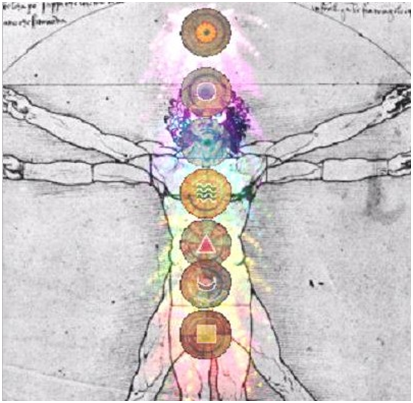
Anthroposophy, a spiritual philosophy founded by Rudolf Steiner in the early 20th century, offers a comprehensive worldview that seeks to bridge the spiritual and material realms. Rooted in the idea that human beings possess an innate capacity for spiritual insight, anthroposophy aims to foster a deeper understanding of the cosmos, humanity, and the divine through intuitive perception and esoteric knowledge.
Origins and Foundations
Rudolf Steiner (1861–1925), an Austrian philosopher, educator, and esotericist, developed anthroposophy as a response to the scientific materialism of his time. He believed that modern science, while valuable, neglected the spiritual dimensions essential to fully understanding human existence and the universe. Steiner’s studies encompassed philosophy, mysticism, and sciences such as biology and anthroposophy itself, culminating in a spiritual science that seeks to explore higher realities through disciplined inner development.
Core Principles
At its heart, anthroposophy emphasizes that humans are spiritual beings temporarily inhabiting physical bodies, with a soul and spirit that evolve over multiple lifetimes. It posits that through spiritual exercises—meditation, contemplation, and ethical living—individuals can develop clairvoyant faculties and attain higher knowledge. This process of spiritual awakening aims to foster moral and intellectual growth, ultimately leading to a harmonious relationship between humanity and the cosmos.
Applications and Influence
Anthroposophy has influenced numerous fields, including education, agriculture, medicine, and the arts:
- Waldorf Education: Perhaps the most well-known application, Waldorf schools integrate anthroposophical principles to nurture children’s emotional, artistic, and intellectual development, emphasizing creativity and holistic learning.
- Biodynamic Agriculture: Developed by Steiner, this organic farming method incorporates spiritual and cosmic rhythms to enhance soil vitality and crop health.
- Anthroposophic Medicine: Combining conventional medicine with spiritual and energetic approaches, this field seeks to treat the whole person—body, soul, and spirit.
- Arts and Architecture: Steiner’s aesthetic principles have inspired distinctive artistic styles and architectural designs that reflect spiritual harmony.
Criticisms and Challenges
While anthroposophy has inspired innovative educational and agricultural practices, it has also faced criticism. Critics argue that its esoteric and spiritual claims lack empirical evidence and are incompatible with scientific methodologies. Additionally, some have raised concerns about the mystical aspects influencing educational content and the potential for exclusionism rooted in spiritual elitism.
Contemporary Relevance
Despite debates, anthroposophy continues to appeal to those seeking a spiritual dimension in their understanding of life and the universe. Its emphasis on holistic development, environmental sustainability, and moral responsibility resonates in contemporary discussions on education, ecology, and spirituality.
Anthroposophy represents a unique attempt to integrate spiritual insight with practical human activity. By advocating for inner development and a respectful relationship with the cosmos, it seeks to enrich human life beyond materialism. Whether embraced as a spiritual path or critiqued for its esoteric nature, anthroposophy remains an influential and thought-provoking philosophy that challenges us to see beyond the physical and explore the deeper dimensions of existence.




 Love
Love Astrologer
 Dreams
 Life Coach
 Medium
 Numerologist
 Palm Reader
 Paranormal
 Past Life
 Tarot Reader