
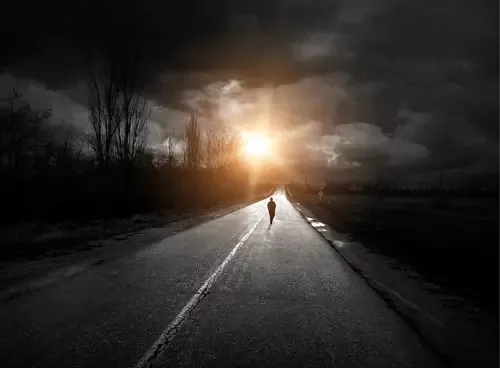
Dreams have long been a source of intrigue and reflection, and among the myriad experiences of the subconscious, few are as universally resonant as the dream of being lost. These dreams often evoke feelings of confusion, anxiety, and helplessness. Yet, beneath the surface of this unsettling experience lies a deep well of psychological meaning, one that can reveal insights about our innermost fears, desires, and the journey towards self-discovery.
At the core of many dreams of being lost is the fear of losing control. In a world that often feels chaotic and unpredictable, such dreams echo our waking anxieties. They arise in moments of uncertainty, be it related to personal relationships, career paths, or even one’s sense of purpose in life. The experience of being lost in a dream can be a metaphor for feeling directionless in reality. This sentiment reflects a struggle that many face: the challenge of navigating the complexities of life in an age characterized by rapid change and overwhelming choices. The sensation of disorientation in dreams serves as an emotional mirror, bringing to the surface the fears of inadequacy and inability to choose the right path.
However, while the fear of being lost is a common thread, it is essential to consider the identity aspect that these dreams illuminate. They can provoke critical self-reflection, urging us to confront questions about who we are and what we truly want. In many cases, dreams of being lost do more than just signify confusion; they can also signal an opportunity for growth. The feeling of being lost can serve as a catalyst for introspection and self-exploration. When faced with the experience of wandering aimlessly—whether through unfamiliar streets or abstract landscapes—dreamers can be pushed to reevaluate their lives, goals, and values. This existential reflection might encourage them to pursue paths they had previously ignored, embark on new journeys, or break free from societal expectations that may have led them astray.
Furthermore, dreams of being lost can also represent transitional phases in life. They often accompany significant life changes such as moving to a new city, changing jobs, or experiencing a shift in personal relationships. In these contexts, being lost becomes emblematic of the discomfort inherent in transformation. Just as a seed must break through the surface to become a flower, individuals must often face feelings of confusion and vulnerability before embarking on a new chapter. The dream of wandering in an unknown landscape can thus illustrate the tension between the familiar and the unfamiliar—a necessary discomfort that ultimately facilitates growth.
Yet, it is crucial to acknowledge that not all dreams of being lost culminate in fear or anxiety. Some reflect the liberating aspect of relinquishing control and allowing oneself to wander freely. In this respect, the act of being lost can also symbolize adventure, exploration, and spontaneity. When detached from negativity, dreaming of being lost can foster a sense of possibility, encouraging a more fluid approach to life. It becomes a reminder that sometimes, the most profound insights and discoveries happen outside the boundaries of our constructed paths. In this light, being lost may not be something to fear, but rather an invitation to embrace uncertainty and surrender to the journey.
In conclusion, dreams of being lost encapsulate a complex interplay of fear, identity, and transformation. They offer a poignant reflection of our waking lives, revealing the struggles we face in maintaining control and clarity. Yet, they also serve as powerful reminders of the potential for self-discovery and growth that lies in uncertainty. Ultimately, these dreams compel us to confront our fears, explore our identities, and navigate the winding paths of our existence with courage and curiosity. Through the act of embracing being lost, we may find not only ourselves but also the myriad possibilities that await us beyond our fears.




 Love
Love Astrologer
 Dreams
 Life Coach
 Medium
 Numerologist
 Palm Reader
 Paranormal
 Past Life
 Tarot Reader