
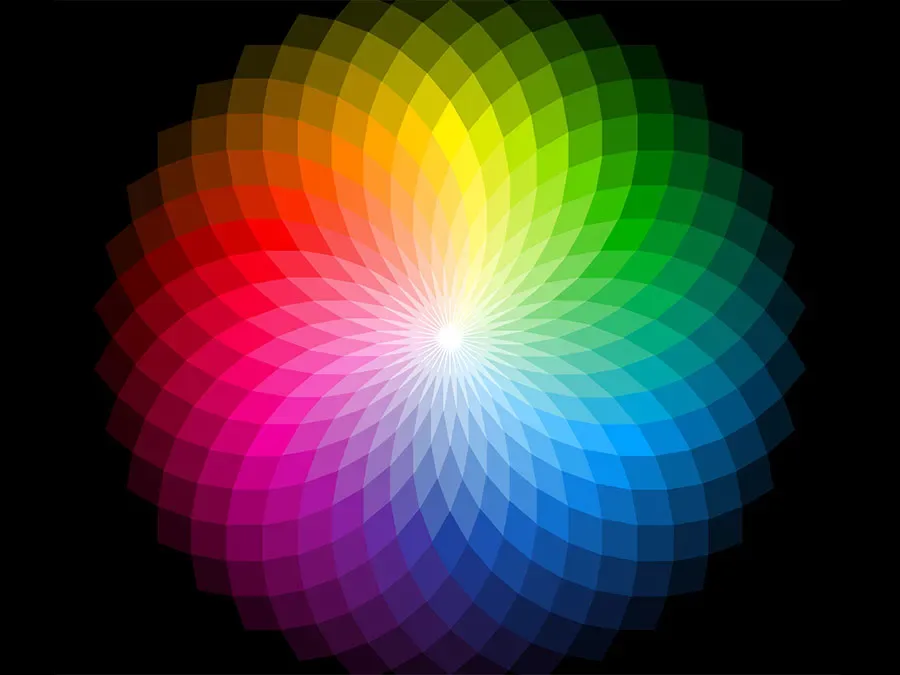
Colors play a significant role in our lives, influencing emotions, perceptions, and even behaviors. The meanings of colors can vary widely across different cultures and contexts, but they are often associated with certain feelings and ideas. Here’s an exploration of the meanings of some common colors:
Red
Red is a powerful color that often signifies passion, love, and energy. It is also associated with strong emotions, such as anger and excitement. In many cultures, red symbolizes good luck and prosperity. However, its intensity can evoke feelings of urgency or warning, as seen in traffic lights and stop signs.
Blue
Blue is typically associated with tranquility, calmness, and stability. It often evokes feelings of peace and serenity, representing clear skies and water. In contrast to red, blue can have a cooling effect on emotions, making it a popular choice for settings meant to promote relaxation and focus. However, darker shades of blue may evoke feelings of sadness or melancholy.
Yellow
Yellow is bright and cheerful, often associated with happiness, optimism, and creativity. It stimulates mental activity and fosters a sense of joy. However, too much yellow can be overwhelming, and in some contexts, it can represent caution (as in warning signs) or even cowardice.
Green
Green is primarily associated with nature, growth, and renewal. It symbolizes health, fertility, and environmental consciousness. Because of its connections with nature, green can evoke feelings of tranquility and balance. However, in some contexts, it may also represent envy or inexperience.
Orange
Orange combines the energy of red and the happiness of yellow. It is often associated with enthusiasm, creativity, and warmth. Orange can stimulate social interactions and communication, making it an inviting and energetic color. However, like yellow, an excess of orange can feel too stimulating.
Purple
Purple often represents luxury, creativity, and spirituality. Historically, it has been associated with royalty and wealth, making it a symbol of power and ambition. Lighter shades of purple, like lavender, can evoke feelings of calmness and peace, while deeper shades may convey richness and mystery.
Black
Black is a complex color that can represent elegance, power, and sophistication, but it can also signify mourning and loss. Its versatility makes it a staple in fashion and design. In many cultures, black is worn during funerals as a sign of respect for the deceased.
White
White generally symbolizes purity, innocence, and cleanliness. It is often associated with new beginnings and simplicity, making it a popular choice for weddings and other celebratory occasions. However, in some cultures, white can also represent mourning and sadness.
The meanings of colors are deeply rooted in cultural contexts, psychology, and human experiences. Understanding these associations can help us communicate more effectively and create environments that elicit desired emotions. Whether it is in art, design, fashion, or daily life, being intentional about the use of color can enhance our interactions and perceptions in meaningful ways. Ultimately, while colors can carry specific meanings, individual experiences and cultural differences continue to shape how we perceive and interpret them.




 Love
Love Astrologer
 Dreams
 Life Coach
 Medium
 Numerologist
 Palm Reader
 Paranormal
 Past Life
 Tarot Reader