
Superstitions have been a part of human culture for centuries, offering explanations and comfort in an uncertain world. From knocking on wood for good luck to avoiding black cats or walking under ladders for fear of bad luck, superstitions continue to influence our daily lives in subtle ways. While some may dismiss them as silly beliefs with no basis in reality, superstitions can hold significant power over our thoughts and actions.
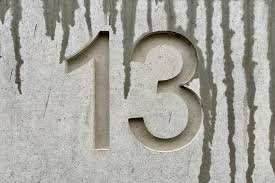
One of the most commonly observed superstitions is the belief in lucky or unlucky numbers. For example, many people consider the number 13 to be unlucky, avoiding it in hotel room numbers, street addresses, or even skipping the 13th floor in buildings. This fear, known as triskaidekaphobia, has even influenced the way buildings are constructed and numbered in many cultures.
Superstitions also play a role in sports, where athletes and fans often engage in rituals or behaviors believed to bring good luck. For instance, baseball players may refuse to wash their lucky socks during a winning streak, or football fans may wear a specific jersey to support their team. These practices offer a sense of control and comfort in situations where outcomes are unpredictable, and success may be determined by factors beyond our control.
While superstitions can offer a sense of security and control in uncertain situations, they can also be harmful in some cases. Believing in superstitions can lead to irrational decisions or behaviors, causing unnecessary stress or anxiety. For example, avoiding certain activities or making decisions based on a superstition may limit our experiences and opportunities.
Ultimately, whether we believe in superstitions or not is a personal choice. While some may find comfort in following certain rituals or beliefs, others may dismiss them as irrational and superstitious. Regardless of our individual beliefs, superstitions continue to shape our cultural practices and influence our daily lives in subtle ways. It is important to recognize the power of superstitions and how they can impact our thoughts and behaviors, while also acknowledging the role they play in providing comfort and security in an unpredictable world.




 Love
Love Astrologer
 Dreams
 Life Coach
 Medium
 Numerologist
 Palm Reader
 Paranormal
 Past Life
 Tarot Reader