
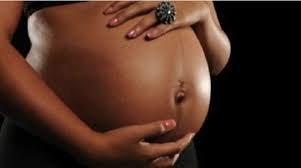
Pregnancy and childbirth are among the most profound experiences in human life, and for centuries, they have been surrounded by a variety of superstitions and cultural beliefs. These superstitions, often passed down through generations, reflect deep-seated hopes, fears, and cultural values. While modern medicine has demystified many aspects of pregnancy and childbirth, traditional beliefs continue to play a significant role in many societies.
Superstitions during pregnancy often aim to protect the mother and unborn child from harm. In many cultures, it is believed that certain actions or behaviors can influence the health or destiny of the baby. For example, in some parts of Asia and Latin America, pregnant women are advised not to attend funerals or look at anything frightening, as it is believed that negative energy or emotions can affect the unborn child. Similarly, some cultures warn pregnant women against wearing necklaces or tying scarves around their necks, believing it might cause the umbilical cord to wrap around the baby’s neck.
Cravings during pregnancy are also the subject of various superstitions. In some cultures, it is believed that if a pregnant woman is denied a specific food she craves, the baby will have a birthmark in the shape of that food. These kinds of beliefs reflect a deep desire to ensure the child is born healthy and without any abnormalities, even if the reasoning lacks scientific basis.
Birth superstitions are equally rich and varied. In some African and Indigenous cultures, special rituals are performed to welcome the baby into the world and protect it from evil spirits. Naming ceremonies, blessings, and the use of protective charms or herbs are common practices meant to ensure the newborn’s safety and well-being.
Many of these superstitions are tied to the natural fear and uncertainty surrounding childbirth, especially in eras and places where access to medical care is limited. Superstitions often serve as a form of psychological comfort, providing a sense of control in an unpredictable and potentially dangerous process. They also help strengthen community bonds by reinforcing shared beliefs and practices.
However, not all superstitions are harmless. Some can discourage necessary medical care or promote unhealthy practices. For example, beliefs that discourage cesarean sections, vaccinations, or hospital births due to traditional fears can endanger both the mother and the child. Therefore, it is important to respect cultural traditions while also promoting evidence-based medical care and education.
In conclusion, pregnancy and birth superstitions reveal a fascinating blend of tradition, fear, and hope. They are a testament to the universal importance placed on motherhood and the continuity of life. While many of these beliefs have no scientific foundation, they serve cultural, emotional, and social purposes. Understanding and respecting these superstitions—while ensuring safe and healthy practices—can bridge the gap between tradition and modern healthcare.




 Love
Love Astrologer
 Dreams
 Life Coach
 Medium
 Numerologist
 Palm Reader
 Paranormal
 Past Life
 Tarot Reader